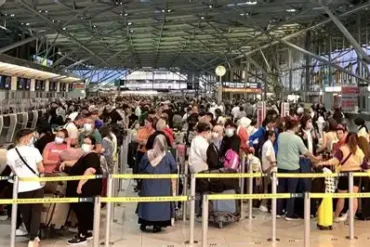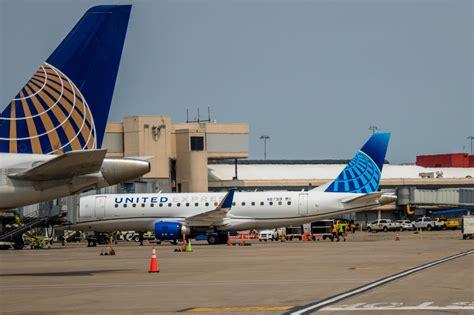
As the Independence Day holiday approaches, DFW International Airport joins Chicago O’Hare, Denver, George Bush Intercontinental, and William P. Hobby airports in preparing for an unprecedented rush of travelers. With passenger volumes set to shatter previous records, every aspect of the airport experience—from security checkpoints to parking garages—faces a strenuous test. Airlines and airport crews alike are bracing for delays, long lines, and the logistical puzzle of moving millions of people safely under the pressure of summer storms and ongoing construction.
The Texas heat only adds to the urgency. Under the blazing July sun, both DFW International Airport and Dallas Love Field expect to see traffic levels rivaling last year’s peaks. Families determined to celebrate under fireworks-lit skies, business travelers finishing last-minute deals, and vacationers chasing coastal getaways will flood terminals in a tidal wave of suitcases and boarding passes. The stakes are high: any misstep could cascade into regional and global ripple effects, straining schedules and frustrating passengers nationwide.
From July 2 through July 8, DFW International Airport forecasts roughly 1.8 million travelers streaming through its terminals, with July 2, 6, and 7 each expected to exceed 285,000 daily. Meanwhile, concurrent construction projects around Terminal C and its parking structures mean travelers will navigate cones, closed lanes, and detours before they even reach the check‑in desks. The confluence of record demand and infrastructure upgrades sets the stage for a holiday travel experience defined by both opportunity and challenge.
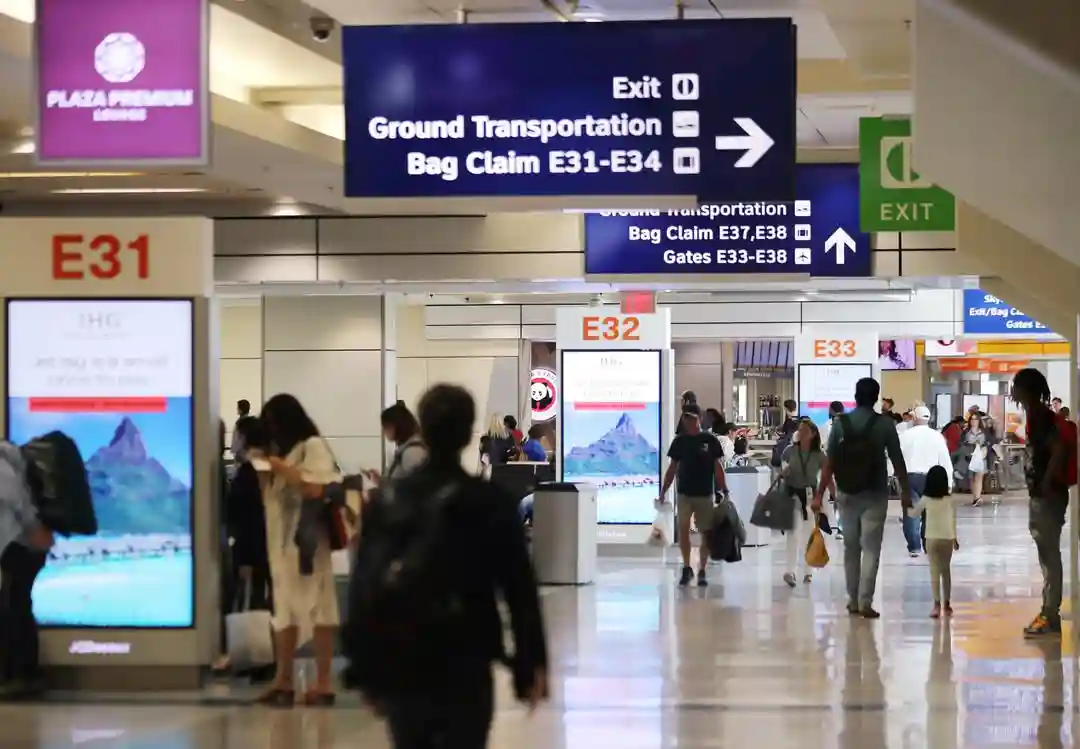
Texas Airports Brace for Independence Day Rush
Across the Lone Star State, airport officials are sounding the alarm on capacity constraints. Dallas Love Field, though smaller than its sprawling neighbor, anticipates 265,000 passengers over the same week, with July 3 pegged as its single busiest day. Boarding queues will snake through the terminal, security lanes will stretch to capacity, and any disruption—be it a delayed flight or a malfunctioning X‑ray machine—could amplify wait times dramatically. To mitigate risks, airlines operating out of Love Field are urging early check‑ins and streamlined baggage processes, pushing travelers toward mobile boarding passes and self‑tagging kiosks.
Construction Chaos Compounds the Challenge
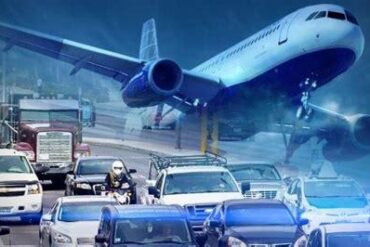
The phrase “historic era of construction” hardly does justice to the ongoing transformation at DFW. Terminal C’s overhaul, the expansion of the south garage, and access‑road realignments have turned drop‑off zones into labyrinths of cones and shifting arrows. Travelers accustomed to smooth highway approaches now face bottlenecks that can add 30 minutes or more to their journey. Parking garages, already filling at dawn, now close off entire levels for new steel framework and elevator installations. Officials warn that the typical 10‑minute drop‑off may devolve into a slow crawl, requiring patience and route planning.
Airline Operations Under Extreme Pressure
As one of the world’s busiest hubs, DFW’s flight schedules are meticulously synchronized, with narrow turn‑around windows that leave little room for error. Summer thunderstorms, common in Texas afternoons, can ground entire runways within minutes, triggering a domino effect of delayed departures. Even minor mechanical issues can force planes to reroute, reassign crews, and rebook passengers across multiple connecting flights. Likewise, at Chicago O’Hare and Denver, the sheer volume of daily departures amplifies any disruption. O’Hare expects over 1.5 million travelers, while Denver projects 900,000, peaking on July 6 as westbound vacationers and connecting passengers converge.
Practical Travel Tips for Independence Day Flyers
To navigate the coming chaos, experts recommend:
- Arriving at least two hours before domestic departures and three hours for international flights.
- Packing snacks, bottled water, and essential medications in carry‑on bags to weather unexpected delays.
- Using public transit options—DART Orange Line or TEXRail—to bypass congested roadways.
- Signing up for real‑time flight alerts via airline apps and airport notification services.
These proactive steps can mean the difference between a smooth holiday kickoff and hours spent in terminal queues.
Economic Ripple Effects Through Texas and Beyond
The surge in holiday travel doesn’t just stress airports; it pumps billions into local economies. Hotels near airport corridors report spikes in occupancy rates, while restaurants and retail outlets inside terminals brace for record sales. Rental car agencies are staffing up to meet demand, and rideshare drivers prepare for marathon shifts ferrying passengers to and from terminals. Yet this boom carries hidden costs: overworked staff, service fatigue, and the potential for negative social‐media backlash if things go awry. Airlines, airports, and ancillary businesses stake their summer revenue projections on smooth operations—and they’re acutely aware that a single viral complaint can overshadow weeks of positive performance.
Passenger Anxiety Peaks Under Social Media Spotlight
The human element of this travel surge cannot be overstated. Parents juggling restless children in security lines, solo travelers pacing departure halls while tracking storm cells, and business executives racing to connections all contribute to a palpable tension. In today’s interconnected world, a delayed flight or lost bag can spark an online storm of tweets, reviews, and news alerts that magnify every hiccup. Airport PR teams stand ready with prepared statements, while customer‑service desks ramp up staffing to field a deluge of inquiries and complaints.
U.S. Airport Overview: A National Travel Network Under Strain
Beyond Texas, a constellation of major airports braces for similar challenges. Chicago O’Hare ramps up staffing for over 1.5 million passengers, Denver International readies security lanes for 900,000, and Houston’s dual hubs—George Bush Intercontinental and William P. Hobby—anticipate a combined 1.5 million travelers. The TSA projects 18.5 million screenings nationwide, with Sunday emerging as the single busiest day. Summer thunderstorms threaten to disrupt routes coast to coast, making flexibility and communication critical components of a successful holiday travel plan.
Exploring Beyond the Terminals: DFW’s Local Attractions
Travelers fortunate enough to enjoy layovers or extended stays around DFW can discover a vibrant tapestry of culture and history. In Grapevine, Main Street’s quaint boutiques and wine‑tasting rooms offer a taste of Texas heritage, while the Grapevine Vintage Railroad transports visitors back to a bygone era. The Founders’ Plaza Observation Area provides a front‑row seat to runway activity, where plane spotters gather at sunset.
Eighteen miles east, Dallas beckons with world‑class art museums in the Dallas Arts District, street murals and live music in Deep Ellum, and independent shops in the Bishop Arts District. Northwest of the airport, Fort Worth’s Stockyards National Historic District revives cowboy traditions with daily cattle drives, while the Kimbell and Modern Art Museums showcase global masterpieces.
Adventure and Cuisine: DFW’s Diverse Experiences
For the adventure‑minded, Lake Grapevine offers kayaking and paddleboarding under wide Texas skies, and the Trinity River Trails provide miles of scenic cycling routes with downtown skyline vistas. Culture seekers can catch a performance at the Winspear Opera House or sample live bands in Deep Ellum’s intimate venues.
No visit to the region is complete without indulging in its bold culinary traditions. Terminal D’s The Salt Lick Barbecue tempts travelers with smoky brisket, while nearby Pappadeaux Seafood Kitchen delights with Cajun‑spiced Gulf Coast flavors. Off‑airport gems include birria tacos in Bishop Arts and succulent ribs at Heim Barbecue, where long lines attest to the power of authentic Texas barbecue.
Accommodations and Transit Solutions
Whether arriving early or departing late, lodging near DFW ranges from the upscale Grand Hyatt inside Terminal D—offering runway views and direct Skylink access—to boutique hotels in Grapevine and Las Colinas. Families often favor Embassy Suites for spacious suites, while business travelers opt for Marriott and Hilton properties with conference facilities.
Ground transportation options abound. The free Skylink train connects all terminals in under five minutes, while DART’s Orange Line and TEXRail provide direct routes to downtown Dallas and Fort Worth, respectively. Rideshare services and rental cars remain popular choices, though travelers are advised to factor in traffic during peak hours.
Money‑Saving and Safety Tips
Airport‑area expenses can climb quickly, but savvy travelers know where to save. Parking rates range from $6 per day in remote lots to $25 in express garages. DART fares start at $2.50 per ride, and free Wi‑Fi helps avoid costly data roaming charges. Tipping customs in Texas call for 15–20% at restaurants and for rideshare drivers.
Safety remains paramount. Busy tourist zones warrant extra vigilance, especially after dark. English and Spanish signage ensures navigation ease, while international visitors should prepare for peak‑time immigration queues and confirm visa requirements in advance.
Conclusion: A Test of Resilience and Hospitality
This Independence Day travel surge represents more than a holiday spike—it’s a crucible for the U.S. travel network. Success in handling millions of passengers will build momentum for the rest of the summer season, but ongoing construction, staffing pressures, and unpredictable weather pose formidable challenges. From the sprawling terminals of DFW to the crowded concourses of Chicago and Denver, America’s airports stand ready to welcome the masses with a blend of grit, innovation, and hospitality. As travelers chase fireworks and freedom, one thing is certain: the real spectacle may unfold on the ground, where the true test of endurance and service will define a summer of records.