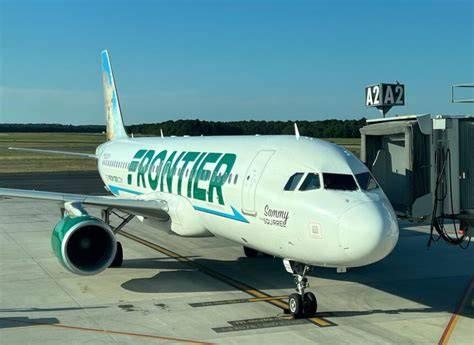
A Frontier Airlines passenger was denied boarding at Harry Reid International Airport (LAS) after an unexpected aircraft change reduced the number of available seats on a flight to Denver International Airport (DEN). Although the traveler held a confirmed reservation, the replacement aircraft did not have enough capacity to accommodate everyone booked on the flight.
The incident has drawn attention because the passenger experienced what appeared to be an involuntary bumping situation. However, under current U.S. Department of Transportation (DOT) rules, the circumstances surrounding the denied boarding matter significantly. A passenger removed because of a traditional airline oversale may receive federal compensation, while someone affected by an aircraft substitution may fall into a regulatory loophole.
How Frontier Airlines’ Aircraft Swap Created A Seat Shortage
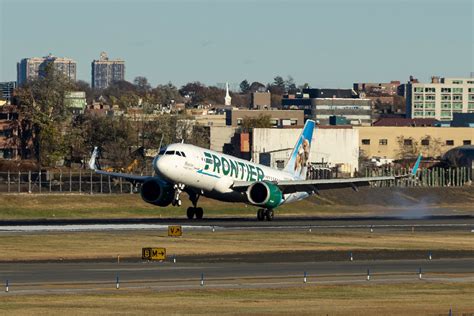
Aircraft substitutions are a common part of airline operations. Carriers regularly change aircraft because of maintenance problems, scheduling adjustments, crew limitations, or other unexpected issues. These changes often allow airlines to continue operating flights instead of canceling services entirely.
In this case, however, the replacement aircraft created a difficult situation. The new plane had fewer seats than the original aircraft, meaning some passengers with confirmed bookings could no longer board. From the traveler’s perspective, the outcome was simple: a ticket had been purchased, a reservation had been confirmed, but no seat was available.
The situation highlights a complicated area of airline regulation. A passenger may experience the same inconvenience as someone who was bumped from an oversold flight, but the legal treatment can be completely different depending on why the seat disappeared.
Why Aircraft Substitutions Are Treated Differently From Overbooking
When airlines sell more tickets than an aircraft can accommodate, federal rules provide specific protections for passengers. Airlines must first ask for volunteers willing to give up their seats before they can involuntarily deny boarding to travelers.
If no volunteers are available, eligible passengers who are involuntarily denied boarding may receive compensation based on the length of their delay and the value of their ticket. For qualifying domestic flights, compensation can reach $1,075 or $2,150, depending on the circumstances.
However, those protections do not automatically apply when a carrier replaces an aircraft with a smaller model for operational or safety reasons. The DOT recognizes that a smaller aircraft substitution can create denied boardings, but passengers may not receive the same mandatory financial compensation available in traditional oversale cases.
This creates what many travelers view as a passenger-rights gray area. The airline’s operational decision directly causes a passenger to lose a seat, yet the event may not legally qualify as an overbooking incident.
The Passenger Had A Confirmed Ticket But Still Lost The Seat
For travelers, the distinction between an oversold flight and an aircraft swap can feel frustrating. A confirmed reservation usually creates an expectation that a seat will be available. When that expectation is broken because of an airline decision, passengers may naturally assume they have the same protections as someone removed from an overbooked flight.
The Frontier incident demonstrates why passengers should ask detailed questions when denied boarding. The reason given by the airline can determine whether compensation is required or whether the traveler must rely on voluntary assistance from the carrier.
Passengers facing a similar situation should document important details, including the original aircraft type, the replacement aircraft, boarding information, and any communication with airline employees. Keeping records can help clarify whether the issue involved an oversale, an aircraft change, or another operational decision.
Frontier Airlines Offered Compensation After The Dispute
Although the aircraft swap meant the passenger was not automatically guaranteed federal denied-boarding compensation, Frontier Airlines eventually provided a $250 travel voucher after the case received public attention.
The payment represents an important distinction between legal obligations and customer-service decisions. Airlines may choose to provide compensation, vouchers, refunds, or other assistance even when regulations do not require them to do so.
For passengers, this difference is crucial. Knowing their legal rights helps travelers understand what they can demand, while also recognizing when an airline is offering additional support as a goodwill gesture.
What The Frontier Incident Means For Future Travelers
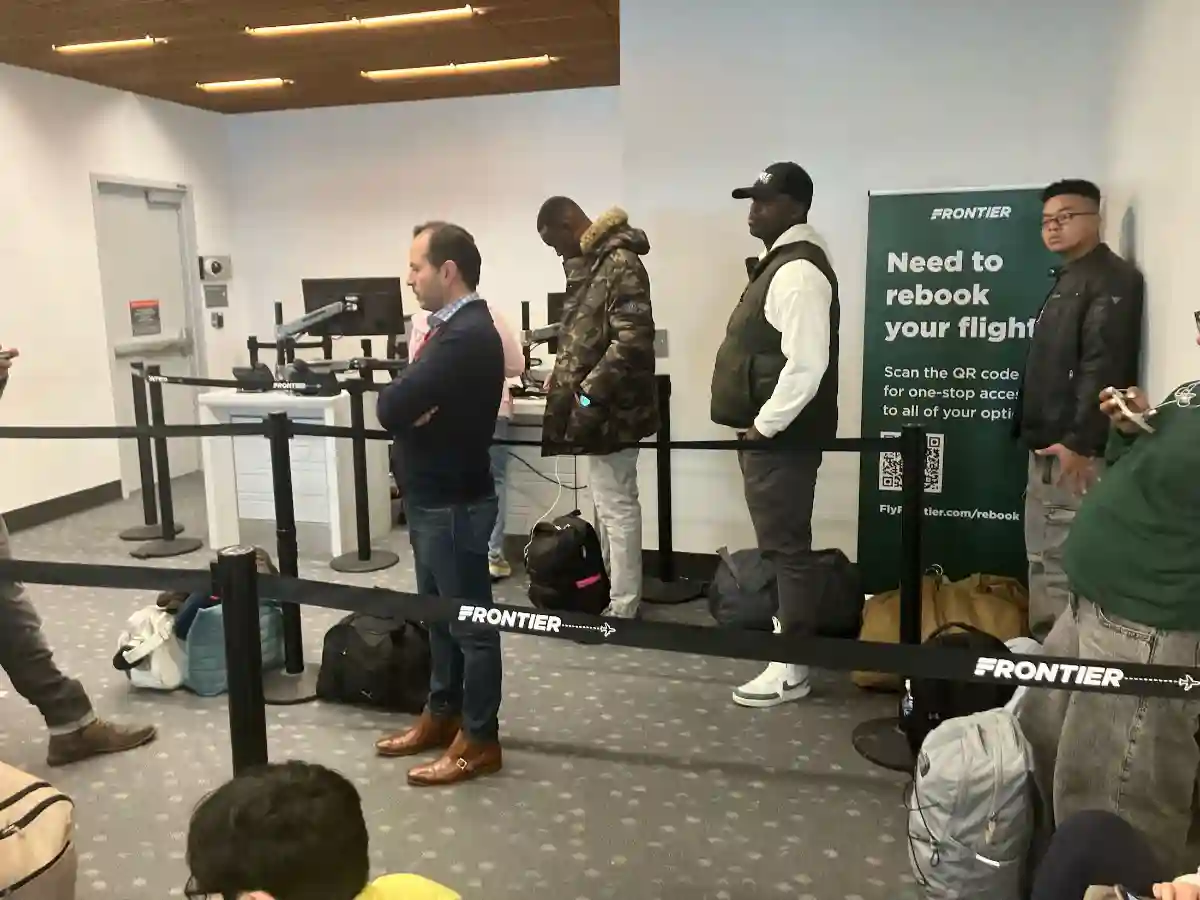
The Frontier Airlines aircraft swap case shows how modern airline operations can create unexpected challenges for passengers. Airlines need flexibility to replace aircraft and maintain schedules, but those decisions can sometimes leave travelers facing consequences beyond their control.
A confirmed ticket does not always guarantee automatic compensation when a flight disruption occurs. The reason behind the disruption often determines what protections apply.
As airlines continue managing complex schedules, fleet availability issues, and operational disruptions, passengers may encounter more situations where understanding the details of airline rules becomes essential. The Frontier case serves as a reminder that travelers should not only ask whether they were denied boarding, but also why they were denied boarding.