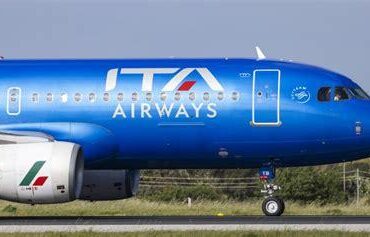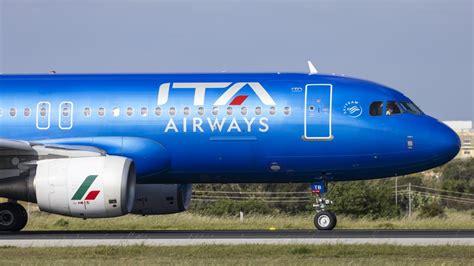
Travelers navigating global air routes rely on airline professionals to honor international agreements and immigration regulations. However, when airlines wrongly interpret or dismiss official documentation, the consequences can be financially and emotionally devastating. One such case involves a Nepali citizen denied boarding by ITA Airways at New York’s JFK Airport, despite holding a valid itinerary and presenting authoritative proof of transit rights.
The Incident at JFK: When Official Proof Was Ignored
In April 2025, a Nepali passenger booked an itinerary from JFK (New York) to Kathmandu (Nepal), with a self-transfer at Delhi Airport (DEL) and a two-hour layover at Rome Fiumicino Airport (FCO). The traveler carried only cabin luggage and had no intention of exiting the transit area in Delhi.
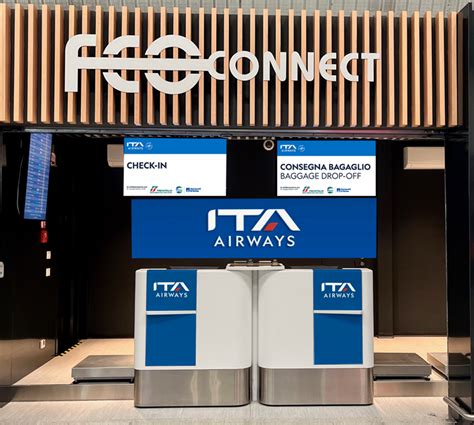
Despite this, ITA Airways ground staff at JFK denied boarding, asserting that the passenger needed an Indian visa—even though Indian government policy explicitly exempts Nepali citizens from transit visa requirements when they remain in the international zone of Indian airports. The traveler presented:
- An official email from the Indian Embassy.
- The Consulate General’s webpage showing visa exemption for Nepali citizens in airport transit.
These documents were dismissed by ITA staff, who appeared uninformed or unwilling to accept the facts. Consequently, the traveler missed their flight and had to purchase a last-minute replacement ticket, incurring significant unexpected costs.
The Legal Framework: TIMATIC and Transit Visa Policies
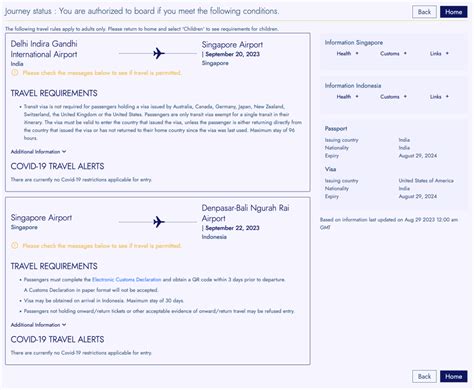
International airlines rely on a centralized resource known as TIMATIC—the Travel Information Manual Automatic—to determine a passenger’s visa and health documentation eligibility. According to TIMATIC:
- Nepali passport holders do not require a visa for airport transit in India if they remain within the international zone.
- This policy is further confirmed by multiple sources, including the SkyTeam visa portal, the Indian Embassy’s communication, and travelers’ past experiences.
ITA Airways’ decision contradicts this global standard, raising serious questions about training, procedural adherence, and staff accountability.
Jurisdictional Nuances: Rome and Schengen Regulations
The denied boarding occurred at JFK before the passenger reached Europe. However, since the first flight leg was JFK–FCO (Rome) and ITA Airways is an EU-based carrier, EU Regulation (EC) No. 261/2004 applies. This regulation protects passengers from unjustified denial of boarding, flight cancellations, and long delays.
In this case, key facts support the passenger’s eligibility for compensation:
- Flight distance exceeds 3,500 km, triggering the €600 compensation threshold.
- The passenger presented all required documentation.
- ITA Airways did not offer re-routing, assistance, or reimbursement.
EC 261/2004: Rights Denied and Compensation Owed
Under EC 261/2004, passengers denied boarding without valid justification are entitled to:
- Reimbursement of ticket costs or rerouting to the final destination.
- Assistance at the airport, such as meals, communications, and accommodation if needed.
- Financial compensation of up to €600 for long-haul flights.
None of these obligations were met by ITA Airways. The passenger was not offered alternatives, was left to arrange their own travel, and incurred high last-minute ticket prices.
Additionally, out-of-pocket expenses, including food, transport, and accommodation (if required), should be reimbursed. The total cost, including the replacement ticket and missed services, likely exceeds $1,500.
Chargebacks, DOT Complaints, and Escalation Paths
Faced with silence or refusal from the airline, the traveler now has several legal and procedural escalation options:
- Contact ITA Airways executive-level customer service, explicitly requesting a cash refund, not travel credit.
- File a complaint with the U.S. Department of Transportation (DOT). This adds regulatory pressure and formally places the incident on record.
- If payment was made by credit card, initiate a chargeback citing breach of contract. Include documentation such as:
- Booking confirmations.
- Embassy and consular statements.
- Screenshots of TIMATIC policies.
- Receipts for additional travel expenses.

Experts advise filing the DOT complaint only after allowing time for ITA to respond, usually around two weeks. In parallel, the passenger must monitor credit card chargeback deadlines, typically 120–180 days post-transaction.
Beyond Refunds: Legal Avenues and Small Claims Court
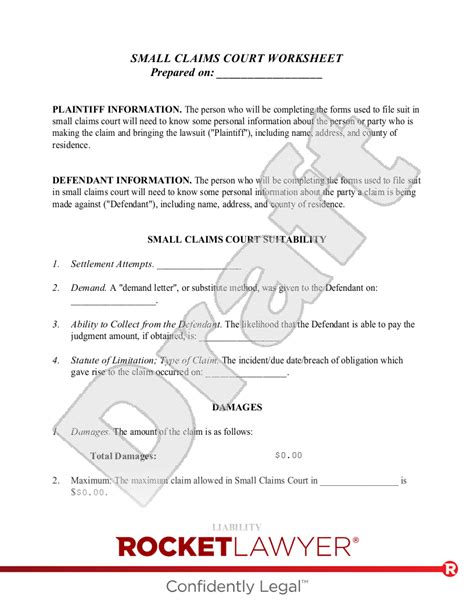
If ITA Airways refuses refund or compensation despite formal communication, the traveler can pursue small claims court proceedings for breach of contract. Legal analysts suggest this route as practical when compensation is under $5,000 and the facts clearly favor the passenger.
Claims should include:
- Original ticket cost.
- Replacement travel cost.
- Compensation under EU law.
- Ancillary expenses (transport, meals, communication).
- Time and stress damages (if state law permits).
Given that the ITA agent’s interpretation directly violated both TIMATIC standards and EU regulations, the legal merit of such a case is strong.
ITA Airways’ Obligations and Failures
This case highlights a systemic issue in the airline industry: the disconnect between front-line staff decisions and international transit laws. Airline employees are expected to follow guidelines established by recognized authorities like TIMATIC, consulates, and embassies. Failure to do so can result in wrongful denial of service, economic loss, and reputational damage.
In denying boarding, ITA Airways failed in several critical areas:
- Misapplied visa requirements for a Nepali passport holder.
- Ignored verifiable, official sources proving transit exemption.
- Offered no alternative assistance, rerouting, or refund.
- Violated EU Regulation 261/2004, exposing themselves to liability.
The Role of TIMATIC in Airline Accountability
TIMATIC exists to prevent exactly this type of error. Airlines subscribe to it and are required to follow its database. The system provides real-time, country-specific entry and transit requirements, which airline staff can check by passport nationality, route, and travel intent (entry, transit, or departure).
In this case, TIMATIC confirmed Nepali citizens can transit India without a visa. The traveler’s intent to stay within the Delhi airport made them compliant. ITA staff’s refusal to check or follow TIMATIC creates a clear breach of procedural standards.
Moving Forward: Recommendations for Affected Travelers
Travelers who find themselves denied boarding despite having valid documentation should:
- Immediately request a supervisor or duty manager to escalate.
- Present printouts or screenshots of TIMATIC entries, embassy statements, and consular websites.
- Document the incident thoroughly — including names, times, and communications.
- Seek written reasons for denial from the airline.
- File formal complaints and, if necessary, escalate to:
- The U.S. DOT.
- The Italian Civil Aviation Authority (ENAC).
- Credit card chargeback departments.
- Small claims courts.
Conclusion: A Clear Case of Passenger Rights Denied
Denied boarding incidents like this do more than inconvenience travelers—they highlight serious failures in airline compliance and accountability. ITA Airways had all the information necessary to allow boarding but chose to disregard it. By failing to respect international transit rules, the airline caused not just financial harm, but also emotional distress and logistical chaos.
With mounting evidence and strong legal backing via EC 261/2004, TIMATIC, and Indian government policies, the traveler stands on solid ground to demand compensation and accountability. This case underscores the importance of holding airlines accountable when they overreach their authority, misinterpret visa law, and violate passengers’ rights at will.