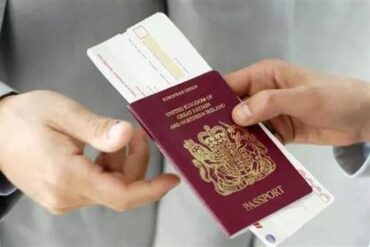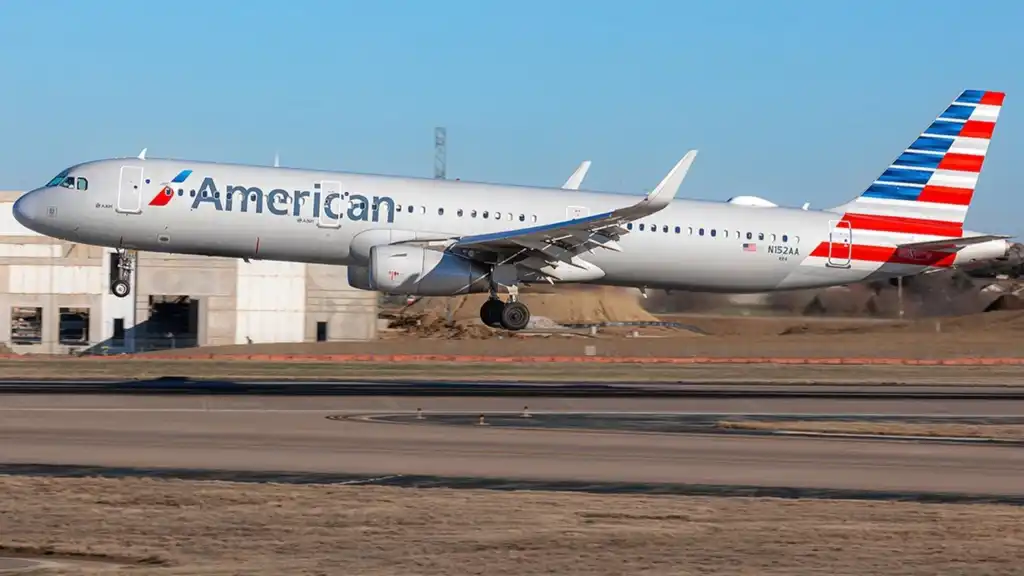
A recent incident involving American Airlines at Dallas/Fort Worth International Airport (DFW) has sparked a wave of public scrutiny and debate over airline boarding policies, religious discrimination, and customer service transparency. On April 21, 2025, a Jewish family was denied boarding on Flight AA1011, bound for New York LaGuardia Airport (LGA), after connecting from Cancún (CUN). The father’s video of the incident, posted to X (formerly Twitter), rapidly went viral, reaching over 10 million views, and reigniting longstanding concerns about bias in the airline industry.
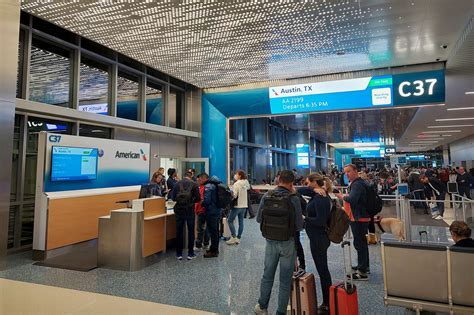
The viral footage shows the visibly distressed family, standing at the gate, pleading with American Airlines staff as they are told boarding is no longer possible. Despite the fact that the aircraft’s door remained physically open, and another passenger was allowed to board moments earlier, the family was left behind. The father, who maintains that they were not flying standby and held confirmed tickets, questioned whether their Jewish identity contributed to the refusal.
The Timeline and the Boarding Cutoff
According to American Airlines’ staff, the family arrived at the gate after the final boarding deadline, known in aviation parlance as “D minus 10”—ten minutes prior to scheduled departure. This cut-off point is designed to ensure the completion of critical pre-flight tasks such as documentation checks, weight balancing, and crew briefings.
From a policy standpoint, airlines are bound by strict timing regulations, especially at major hubs like DFW. Once boarding is closed in the system, gate agents are legally obligated to prevent further boarding, even when the physical door remains open. In this case, the gate monitor had already switched to “Closed,” which technically removes the ability for staff to issue additional boarding clearance.
However, the family’s frustration was compounded by the sight of another woman boarding just moments before them. According to industry experts and airline analysts, this individual may have been a standby passenger who received last-minute clearance during the final seconds of the open boarding window.
Emotional Impact and Social Media Outcry
The father’s video, emotional and pointed, captured the attention of millions online, many of whom interpreted the incident through a lens of religious or ethnic discrimination. The framing of the video, coupled with visible symbols of the family’s Jewish identity, led to rapid escalation of public sentiment.
Numerous commenters highlighted past allegations of discriminatory practices within American Airlines, noting that this incident, regardless of the airline’s stated policy, fit an all-too-familiar pattern of perceived bias. Hashtags like #FlyingWhileJewish and #AmericanAirlines trended within hours, leading to calls for an investigation and boycotts.
Miscommunication at the Gate
Perhaps the most telling aspect of the incident lies not in what happened, but how it was communicated. The gate supervisor reportedly used technical language—”D minus 10″—to explain the denial. While accurate, this terminology is rarely understood by general passengers, especially those already navigating the stress of international travel and tight connections.
What was missing was empathy and clear explanation. A more customer-focused approach could have included a breakdown of why the system closed the boarding process, acknowledgment of the family’s stress, and potential rebooking options without confrontation. The lack of human-centric communication turned a procedural enforcement into a moment of profound alienation.
A History of Controversy
American Airlines is no stranger to allegations of discriminatory behavior. While this particular case does not present direct evidence of antisemitism—no slurs, no targeted behavior—the perception of bias is informed by context. Past lawsuits and complaints involving racial profiling, uneven enforcement of rules, and insensitive treatment of minority passengers contribute to the credibility of the family’s concern.
In industries built on public trust, perception often matters as much as policy. The lack of consistency in handling last-minute boardings, coupled with visible identity markers (such as religious attire), can unintentionally reinforce feelings of exclusion, even when the process is technically neutral.
The Role of Airline Policy and Passenger Expectations
Modern air travel is a battleground of competing priorities: operational efficiency, on-time performance, and customer satisfaction. Airlines face immense pressure to meet rigid scheduling demands, often enforced through metrics that penalize delays. In this context, even confirmed ticket holders can be denied boarding if they arrive moments late.
Yet, for passengers—particularly those on tight connections—the expectation is often more forgiving. Travelers presume that the visible presence of an open aircraft door and a valid ticket are sufficient to guarantee access. The collision between technical policy and emotional expectation can be devastating, especially for those who feel culturally marginalized or singled out.
The airline could have benefited from implementing a more nuanced, human-driven protocol at such sensitive moments. Rather than relying exclusively on system-locked gates, staff could have utilized on-the-ground judgment to explain and assist, instead of strictly enforce.
Legal Implications and Lack of Oversight
While there is no federal law that specifically mandates accommodations for late-arriving passengers with confirmed tickets, Department of Transportation (DOT) regulations emphasize the importance of non-discriminatory treatment and transparent boarding policies. If passengers can demonstrate that race, religion, or ethnicity played any role in an operational decision, it may fall under civil rights scrutiny.
In this case, the burden of proof remains on the family to demonstrate intentional bias. However, the optics of the situation, especially with a visibly Jewish family turned away at the last second, put American Airlines in a difficult position—ethically and reputationally.
A Broader Crisis of Airline Trust
This incident reveals a deeper, systemic issue plaguing American commercial aviation: the widening gap between policy enforcement and public trust. Travelers expect more than just efficiency; they seek respect, understanding, and inclusion. When policies are enforced without compassion—or clarity—airlines risk alienating loyal customers and inciting public backlash.
For faith-based or ethnic minorities, air travel can already feel like an uncomfortable balancing act. Incidents like this one heighten those anxieties, suggesting that even a valid boarding pass may not be enough to ensure fair treatment.
Conclusion: The Need for Reform and Reflection
The American Airlines incident at DFW is not an isolated failure—it is a mirror reflecting broader tensions in modern travel. From automated systems that lock out passengers to frontline staff untrained in de-escalation, the story highlights the cracks in an industry that too often prioritizes logistics over humanity.
If American Airlines wishes to rebuild trust, it must go beyond technical correctness and invest in communication training, policy transparency, and sensitivity education for all gate personnel. Airlines need to move past the “one-size-fits-all” rigidity and recognize that each traveler carries a different set of fears, pressures, and expectations.
In the end, this story is not just about one family’s missed flight. It is about the right to be treated with dignity—even at the gate.