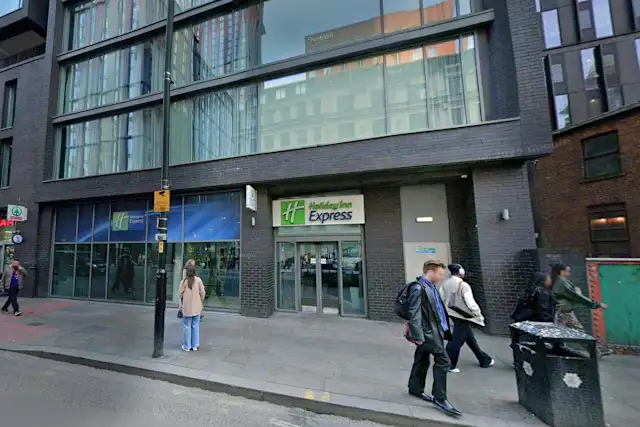
A Cold Night, a Prepaid Room, and a Locked Door in Manchester
During a period of dangerously cold weather in the UK, an incident at Holiday Inn Manchester ignited widespread outrage after a homeless man was denied check-in despite his room being prepaid by a charity. As temperatures dropped below freezing and health authorities issued warnings about increased risk of death, the decision struck many as a moral failure that went far beyond a routine hotel policy dispute.
The situation unfolded when Two Brews, a UK-based homelessness charity, arranged hotel accommodation for vulnerable individuals to keep them safe during the cold snap. The charity selected a prepaid rate at Holiday Inn Manchester, believing this would ensure a smooth, frictionless check-in process. What followed instead was a confrontation that quickly became emblematic of how hospitality policies can collide with human survival.
“I Know You’re From the Street”: The Moment That Sparked Public Anger
According to a recorded interaction shared by the charity, a front desk agent refused to check in two homeless guests upon arrival, despite payment already being made. The explanation was blunt and deeply unsettling. The staff member openly stated that the hotel does not allow people “from the street” to stay, framing the refusal as company policy rather than personal judgment.
The language used during the exchange became a flashpoint, not just because of what was said, but because of when it was said. Outside, temperatures were plunging to -6°C, and the UK Health Security Agency had issued an amber cold weather health alert warning of increased mortality risks. In that context, denying shelter was not merely inconvenient; it was potentially life-threatening.
The Human Cost of Being Turned Away in Subzero Temperatures
One of the men denied accommodation later described the emotional toll of the experience. He spoke of feeling “small,” “categorized,” and gutted, emotions compounded by the familiar despair of repeated rejection. The fear was immediate and visceral: the possibility of spending another night outside in extreme cold, where frozen fingers, numb toes, and chest infections are not abstract risks but lived realities.
He described waking up in the cold and crying, explaining how the chill seeps through the ground and into the body, triggering illness and worsening existing conditions. These are not dramatic embellishments. Medical research consistently shows that rough sleeping in freezing temperatures dramatically increases the risk of respiratory infections, hypothermia, and death.
Charity Scrambles for Safety as Another Hotel Steps In
After being turned away, Two Brews acted quickly to prevent further harm. The charity managed to secure accommodation at a Travelodge, where nearly 30 homeless individuals were housed over two nights. While the immediate danger was averted, the incident raised uncomfortable questions about why emergency alternatives were necessary at all when rooms had already been paid for.
For the charity workers involved, the episode triggered anger and exhaustion rather than surprise. They described waves of frustration and emotion, fueled by the knowledge that a different decision at the front desk could have spared vulnerable people significant fear and suffering.
IHG Responds as Public Pressure Mounts
As attention grew, IHG Hotels & Resorts, the parent company of Holiday Inn, issued a public apology. The company emphasized that its properties aim to be accessible to all guests and acknowledged that the Manchester incident was not consistent with company policy. IHG stated that the situation should have been handled differently and confirmed that internal steps were being taken to strengthen staff training.
The apology, while welcomed by some, also underscored a troubling gap between corporate values and on-the-ground enforcement. If policies are meant to be inclusive, critics argue, they must be clearly understood and consistently applied, especially in situations involving health and safety risks.
When Hospitality Policies Collide With Social Responsibility
At the heart of the controversy lies a broader industry issue: the use of informal screening practices to exclude homeless individuals, even when rooms are legitimately booked and paid for. While hotels often cite safety or operational concerns, the Manchester case illustrates how such practices can quickly cross into discrimination under crisis conditions.
Hotels operate as private businesses, but during extreme weather events, they also become critical nodes in the social safety net. Decisions made at reception desks can determine whether someone sleeps in warmth or faces the possibility of serious illness outdoors.
A Chilling Reminder of What Access Really Means
The Holiday Inn Manchester incident has become a stark reminder that accessibility is not just a slogan, especially during emergencies. Policies designed to manage risk can themselves become sources of harm when applied without context or compassion. As temperatures fall and social inequalities deepen, the question is no longer whether hotels can refuse service, but whether they should—particularly when a locked door may mean freezing on the pavement.
In this case, the backlash forced an apology. Whether it leads to lasting change across the hospitality industry remains the real test.