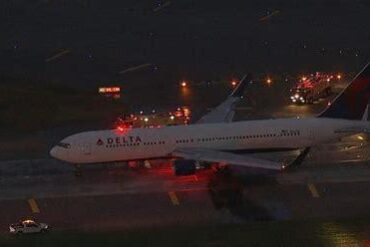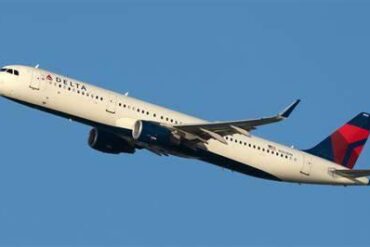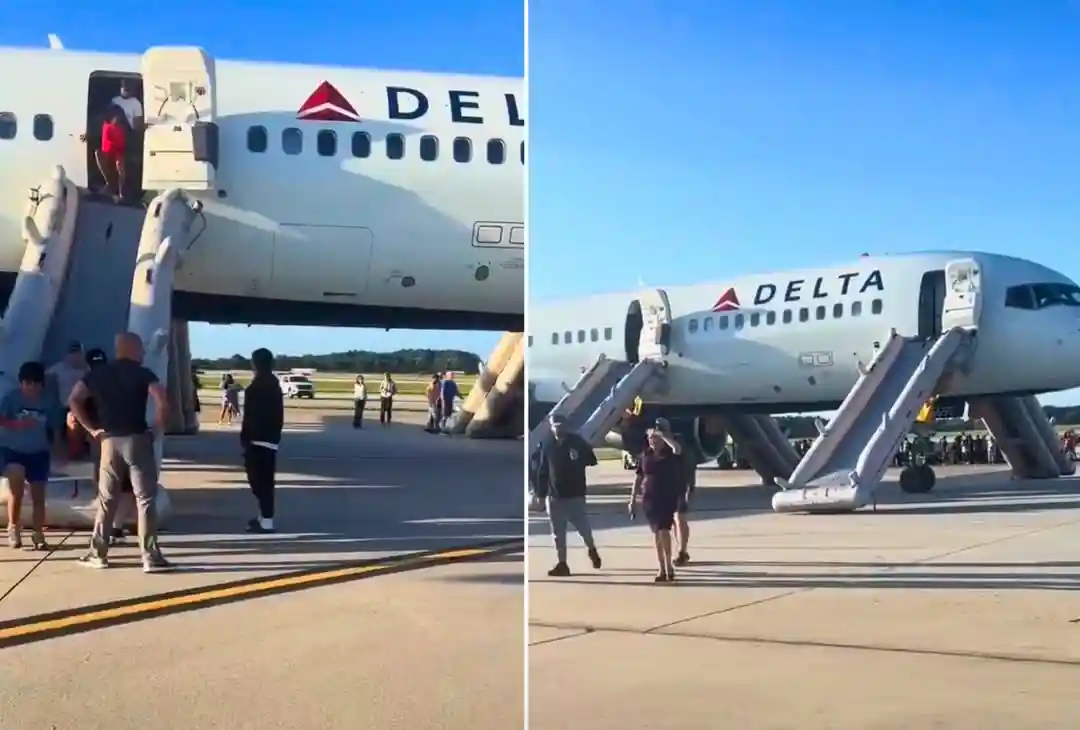
A Delta Air Lines Boeing 757-200 carrying 199 passengers was evacuated on an Atlanta taxiway after smoke and fumes entered the aircraft shortly after departure, forcing the crew to declare an emergency and return to Hartsfield-Jackson Atlanta International Airport (ATL). The dramatic incident unfolded on the morning of August 8, when passengers were forced to leave the aircraft using emergency slides after smoke later spread into the cabin.
The aircraft was operating as Delta Flight 2204, scheduled to fly from Atlanta to Orlando International Airport (MCO). The 24-year-old Boeing 757 departed Atlanta at approximately 7:35 a.m. local time before encountering problems during the initial climb. The flight crew reported smoke and fumes in the cockpit, stopped the climb at around 9,000 feet, and immediately notified air traffic control that they were declaring an emergency.
The pilots put on oxygen masks as a precaution while informing passengers that fumes had entered the flight deck. Cabin announcements instructed travelers to prepare for landing as the aircraft returned safely toward Atlanta. The Boeing 757 touched down on Runway 09R roughly 17 minutes after departure before coming to a stop on a taxiway.
Smoke Spreads Inside Cabin After Aircraft Returns Safely
After landing, airport firefighters inspected the aircraft and initially found no visible signs of smoke, fire, or external damage. The aircraft appeared safe enough for the pilots to begin taxiing toward the terminal. However, the situation changed within minutes when smoke began entering the rear portion of the cabin.
The flight crew quickly informed air traffic control that conditions had changed, stating that they now had smoke in the back of the aircraft and needed to deplane passengers immediately. The pilots shut down both engines and initiated an emergency evacuation procedure.
The aircraft’s emergency slides were deployed, allowing all 199 passengers and six crew members to exit onto the taxiway. The evacuation was completed outside the terminal environment, with passengers later transported by buses back to the airport terminal.
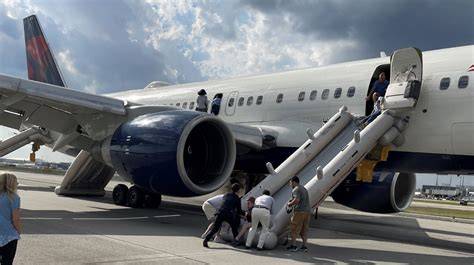
Videos shared by passengers on social media showed smoke visible inside the cabin while flight attendants directed passengers toward emergency exits. The cabin crew played a critical role in maintaining order during a stressful situation, ensuring passengers followed evacuation procedures quickly.
One passenger and one crew member reportedly required medical attention following the evacuation, although authorities did not immediately release details about their conditions. Delta arranged a replacement aircraft, allowing passengers to continue their journey to Orlando later the same morning. The replacement flight departed Atlanta at approximately 12:05 p.m., arriving after a delay of about four hours.
Aircraft Involved Was A 24-Year-Old Delta Boeing 757
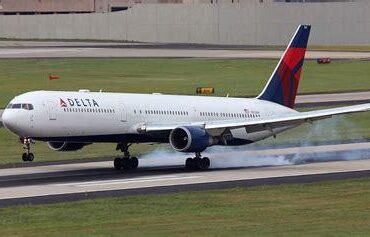
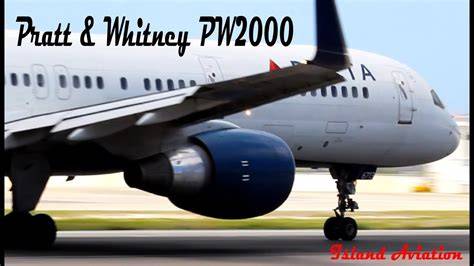
The aircraft involved in the incident was registered as N555NW, a Boeing 757-200 powered by two Pratt & Whitney PW2000 engines. Originally delivered to Northwest Airlines in 2002, the aircraft became part of Delta’s fleet after the two airlines completed their merger in 2008.
The aircraft’s configuration allowed it to carry up to 199 passengers, including 20 seats in domestic first class and 179 seats in the main cabin. This means the aircraft was operating at its maximum passenger capacity during the emergency.
Delta had selected this specific Boeing 757 as the first aircraft in its narrowbody fleet to receive an interior modernization program in 2024. The upgrade included refreshed cabin finishes and updated domestic first-class recliner seats, reflecting the airline’s decision to continue operating some older aircraft due to their unique performance capabilities.
Delta confirmed that the aircraft experienced reports of fumes in the flight deck but did not immediately provide details regarding the source of the smoke. Maintenance teams began examining the aircraft, which remained on the ground following the incident.
Aircraft Fume Events Remain A Major Aviation Safety Concern
Smoke and fume events are among the most closely monitored safety issues in commercial aviation. Modern passenger aircraft rely heavily on engine-generated bleed air systems to provide pressurization and climate control for the cabin and cockpit.
In many aircraft designs, air is extracted from engines and processed before being delivered throughout the aircraft. Although systems include protections designed to prevent contamination, mechanical failures involving seals or engine components can allow unwanted substances to enter the airflow system.
These events can create serious concerns because exposure to contaminated air may affect passengers and crew members. The greatest operational risk occurs when flight crews experience symptoms that could interfere with aircraft control and decision-making.
Investigations into aircraft fume incidents have increased attention on detection systems, maintenance practices, and aircraft design improvements. Airlines and regulators continue to examine ways to reduce risks associated with smoke and odor events.
Delta Continues Investigation Into Atlanta Boeing 757 Incident
The Atlanta evacuation highlights the importance of rapid crew response and established emergency procedures. Although the aircraft returned safely after the initial cockpit smoke report, the later appearance of smoke inside the cabin required a second emergency response.
The actions of the flight crew, cabin crew, airport firefighters, and emergency personnel ensured that hundreds of passengers were removed from the aircraft without a larger emergency developing.
Delta’s maintenance teams are expected to determine the exact cause of the smoke and fumes before the Boeing 757 returns to service. Until inspections are completed, the aircraft will remain out of operation while investigators analyze available information and maintenance records.