The US regional aviation industry is shaped by many visible forces: passenger demand, fuel prices, aircraft technology, airport infrastructure, and airline strategies. Yet one of the most powerful influences is almost invisible to travelers. Buried inside labor agreements between major airlines and pilot unions, the scope clause has quietly determined which aircraft can fly, how regional airlines operate, and even which communities receive air service.
Unlike regulations created by the Federal Aviation Administration (FAA), the scope clause is not a government requirement. It is a contractual boundary negotiated during labor discussions between airlines and their pilot groups. However, its impact reaches far beyond employee relations. The agreement influences aircraft manufacturers, fleet decisions, regional connectivity, and the future direction of domestic air travel across the United States.
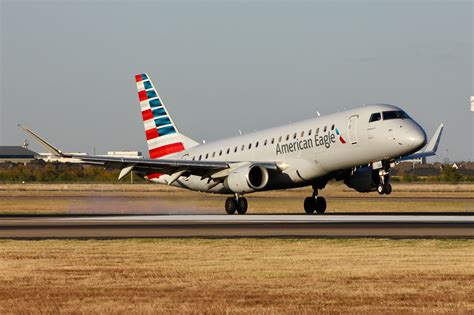
For millions of passengers, the difference between a flight operated by a major airline and one operated by a regional partner is easy to miss. A traveler may purchase a ticket from a large carrier such as American Airlines, Delta Air Lines, or United Airlines, yet the aircraft may actually be flown by an affiliated regional carrier. The scope clause determines how much of that outsourced flying is allowed and places strict limits on the aircraft used for those operations.
The modern regional airline system developed around these agreements. While airlines have always searched for lower operating costs and greater efficiency, pilot unions have worked to ensure that outsourcing does not replace large portions of mainline flying. The result is a carefully balanced system where regional carriers provide essential connectivity while mainline pilots retain protections over larger aircraft operations.
What Is the Scope Clause in US Aviation?
A scope clause is a section of a collective bargaining agreement that defines the limits of regional airline operations for a major carrier. It outlines what types of aircraft regional partners can operate, how many aircraft they can fly, and how much flying can be transferred away from mainline crews.
The fundamental purpose of these clauses is job protection. Pilot unions have historically argued that without scope restrictions, airlines could gradually replace larger mainline operations with cheaper regional flying. Because regional pilots traditionally earned lower wages than mainline pilots, unions feared that unrestricted outsourcing would reduce career opportunities and weaken bargaining power.
Airlines, meanwhile, have viewed scope clauses as operational restrictions that limit flexibility. Regional aircraft can be useful tools for serving smaller cities, adjusting capacity, and maintaining profitable routes. When contractual limits prevent carriers from using certain aircraft or increasing regional capacity, airlines may have fewer options when designing their networks.
Modern scope clauses typically include several important restrictions. The most recognized limits involve aircraft size, particularly passenger capacity and maximum takeoff weight. In many agreements, regional aircraft are restricted to approximately 76 seats and a maximum takeoff weight of 86,000 pounds (39,009 kilograms).
These numbers are not based on aircraft engineering requirements or FAA safety standards. Instead, they represent negotiated boundaries created through years of labor discussions. Because these limits directly affect aircraft economics, they have become one of the defining characteristics of American regional aviation.
Why the 76-Seat Limit Became the Center of Regional Aircraft Strategy
The 76-seat regional jet limit has transformed the US aircraft market. While airlines in other parts of the world often operate smaller or larger regional aircraft according to market demand, American carriers have developed fleets around a contractual threshold.
The restriction created a unique market opportunity for aircraft manufacturers capable of maximizing capacity within those limits. The most successful example has been the Embraer E175, which became one of the most important aircraft in US regional aviation.
The E175 succeeded because it offered nearly the maximum capacity allowed under many scope agreements while providing better economics than older 50-seat regional jets. Airlines could carry more passengers, reduce costs per seat, and maintain compliance with pilot contracts.
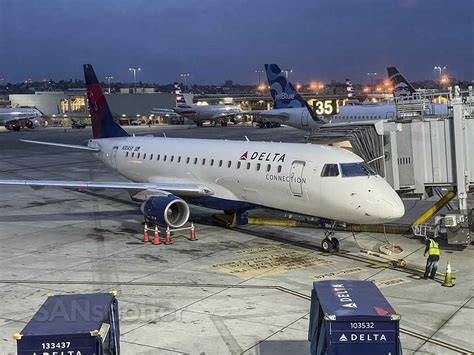
Over time, airlines began retiring smaller regional aircraft and concentrating their fleets around larger regional jets. The industry moved away from the traditional 37-seat and 50-seat aircraft models that once dominated regional networks. Instead, operators increasingly selected aircraft that used every available seat permitted under scope agreements.
This shift changed the economics of regional aviation. A 76-seat aircraft can spread operating expenses across more passengers, improving profitability on routes where demand is strong enough. However, it also reduced flexibility on smaller markets where passenger numbers may not justify larger aircraft.
The largest operators of the Embraer E175 demonstrate how significant this aircraft category has become. Regional airlines such as SkyWest Airlines and Republic Airways have built major portions of their fleets around the aircraft because it fits perfectly within the existing scope environment.
How Labor Agreements Influence Aircraft Development
One of the most unusual effects of the scope clause is its influence on aircraft manufacturers. Normally, aircraft design is driven by airline demand, passenger preferences, fuel efficiency goals, and technological improvements. In the US regional market, manufacturers must also consider labor contracts.
The clearest example is the Embraer E175-E2, a next-generation aircraft designed as the successor to the original E175. The aircraft features improved engines, updated aerodynamics, lower fuel consumption, and reduced environmental impact.
Under normal market conditions, the E175-E2 would appear to be a natural replacement for older regional jets. However, its design creates a major problem: the aircraft exceeds the current scope clause weight restrictions.
Although the aircraft maintains a similar passenger capacity, its increased maximum takeoff weight places it above the limit allowed for many US regional operations. As a result, regional airlines cannot operate it under existing agreements.

This situation created an unusual challenge for Embraer. The manufacturer developed a technologically advanced aircraft, but the largest market for that aircraft category cannot currently accept it. Without major changes to scope agreements, US airlines have little incentive to order the aircraft.
The E175-E2 situation demonstrates how labor negotiations can influence global aviation manufacturing. A contractual agreement created between airlines and pilots has effectively shaped an aircraft manufacturer’s product strategy.
The Creative Ways Airlines Adapt to Scope Restrictions
Because scope clauses contain precise limits, airlines have sometimes developed unusual solutions to remain compliant. These adjustments show how deeply the agreements influence everyday airline operations.
One example involves regional aircraft that were originally designed with seating configurations above contractual limits. Instead of removing the aircraft from service, airlines have modified cabins to reduce the official seat count.
In some cases, seats have been permanently removed or blocked. American Airlines regional operations have included aircraft where cabin layouts were modified to maintain compliance with scope agreements. Some aircraft have even featured tables installed in areas where passenger seats would normally exist.
These modifications may appear strange to travelers, but they reflect practical business decisions. Aircraft represent significant investments, and airlines often prefer inexpensive cabin changes rather than replacing otherwise useful aircraft.
The impact extends beyond cabin layouts. Scope clauses influence aircraft purchasing decisions, leasing strategies, maintenance planning, and long-term fleet development. Every regional aircraft decision must consider not only operating economics but also contractual requirements.
Pilot Shortages Are Changing the Regional Airline Model
The ongoing airline pilot shortage has added another layer of complexity to regional aviation. As demand for qualified pilots continues to grow, regional airlines have struggled to maintain previous levels of service.
Scope clauses already limit operational flexibility, and pilot shortages have made the situation more challenging. Regional carriers cannot simply add aircraft when demand increases because they also need sufficient crews to operate those aircraft.
Many smaller communities have experienced the consequences. Routes that once supported frequent regional flights have become more difficult to maintain because airlines must prioritize aircraft and pilots where they generate stronger returns.

The combination of scope restrictions and workforce shortages has accelerated the transition toward larger regional aircraft. Airlines increasingly prefer fewer aircraft with higher capacity rather than maintaining large fleets of smaller jets.
However, this strategy creates challenges for smaller markets. A 76-seat aircraft may be efficient on a busy route but may not be ideal for communities with limited passenger demand. Airlines must balance efficiency with the need to provide connectivity across the country.
The Debate Over the Future of Scope Clauses
The future of scope clauses remains one of the most debated topics in US aviation. Supporters argue that these agreements continue to serve an important purpose by protecting pilot careers and maintaining strong labor standards.
From the perspective of pilot unions, scope clauses prevent airlines from shifting too much flying to lower-cost regional operators. They help preserve mainline career opportunities and ensure that professional pilots have clear advancement pathways.
Critics argue that modern aviation has changed significantly since many scope restrictions were created. They believe these agreements can prevent airlines from adopting newer, more efficient aircraft and limit innovation.
The Embraer E175-E2 has become a symbol of this debate. Supporters of changing scope restrictions argue that preventing a more fuel-efficient aircraft from entering service creates unnecessary environmental and economic costs. They believe airlines and passengers could benefit from greater flexibility.
Opponents counter that relaxing scope limits could weaken pilot bargaining power and encourage airlines to move more flying away from mainline operations.
Why the Scope Clause Will Continue Shaping American Aviation
The scope clause remains one of the most influential hidden forces in US regional aviation. Although passengers rarely see it and many aviation enthusiasts overlook it, the agreement affects nearly every part of the regional airline ecosystem.
It determines which aircraft manufacturers can successfully compete, which jets airlines purchase, how regional carriers structure their fleets, and which communities receive reliable air service.
The debate surrounding scope clauses reflects a larger challenge facing aviation: balancing efficiency, innovation, labor protection, and nationwide connectivity. Airlines want flexibility, manufacturers want access to major markets, pilots want career protection, and communities want affordable transportation.
Until those interests find a new balance, the scope clause will continue to shape American regional aviation from behind the scenes. A small paragraph inside a labor contract has become one of the most powerful forces deciding how the country’s airline network evolves.