What Is The 1500-Hour Rule For Pilots?
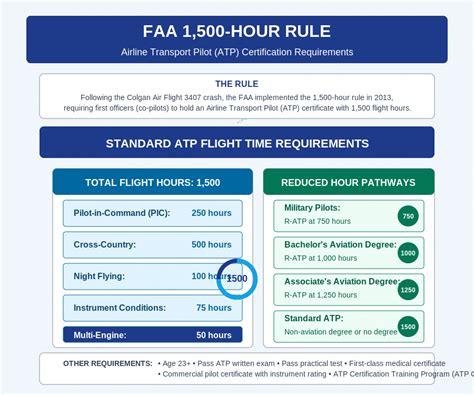
The 1500-hour rule for pilots is one of the most important requirements for anyone hoping to become an airline pilot in the United States. Established by the Federal Aviation Administration (FAA) in 2010, the regulation requires pilots to accumulate at least 1,500 hours of flight time before they can qualify for an Airline Transport Pilot (ATP) certificate, the credential needed to operate commercial airliners as a captain or first officer.
The rule was introduced following concerns about pilot experience and aviation safety. Before the regulation changed, some airline pilots could begin flying passenger aircraft with significantly fewer flight hours. The updated requirement created a more structured pathway, ensuring that future airline pilots spend more time developing fundamental flying skills, decision-making abilities, and real-world experience before entering commercial operations.
What Flight Experience Is Required Under The 1500-Hour Rule?
Although the headline figure is 1,500 flight hours, pilots must meet several specific experience requirements within that total. The FAA requires a combination of different flying conditions to ensure pilots are prepared for the challenges of airline operations.
A pilot working toward an ATP certificate must complete at least 500 hours of cross-country flight time, which develops navigation skills and experience operating over longer distances. They must also record 100 hours of night flying, allowing them to build confidence in conditions where visibility and environmental awareness become more challenging.
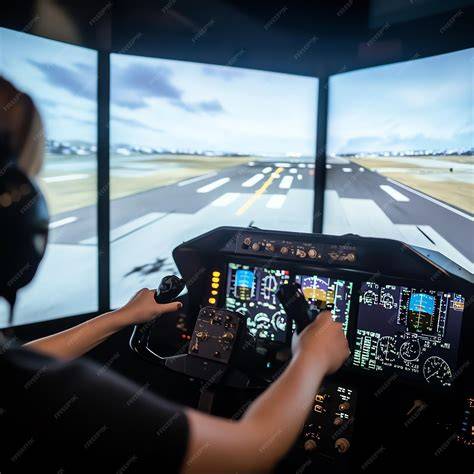
Additionally, pilots need at least 50 hours of flight time in the aircraft category and class for which they are seeking certification. The FAA also allows up to 100 hours of the required flight time to be completed using approved flight simulators, while the majority of experience must come from actual aircraft operations.
Why The 1500-Hour Requirement Matters For Airline Safety
The purpose of the ATP 1500-hour requirement is not simply to measure how long someone has been inside an aircraft. Flight hours represent opportunities to experience different weather conditions, airport environments, aircraft behaviors, and operational decisions that cannot always be fully replicated in training.
Building experience before entering airline service helps pilots develop stronger judgment and problem-solving abilities. Commercial aviation involves complex situations, including changing weather, technical issues, air traffic coordination, and communication between flight crews. The additional flight time provides pilots with more exposure to these situations before they carry hundreds of passengers.
Pilot Training Continues After Reaching 1500 Hours
Completing the required 1,500 flight hours does not mean a pilot’s education is finished. Airline pilots must continue meeting strict training, medical, and operational standards throughout their careers.
Pilots are required to complete regular simulator sessions, classroom training, and proficiency checks to maintain their qualifications. They must also meet recent experience rules, including completing takeoffs and landings within specific time periods to remain current.
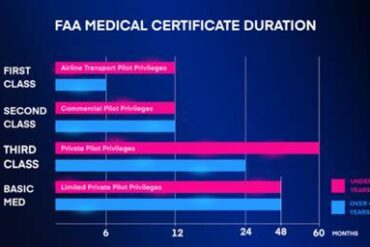
Medical certification is another ongoing requirement. Pilots must pass regular medical examinations to confirm they remain physically capable of performing their duties. Airlines and regulators also enforce strict rules regarding rest periods, flight time limits, and safety procedures to reduce fatigue and maintain operational reliability.
How The 1500-Hour Rule Changed The Pilot Career Path
The 1500-hour rule for airline pilots significantly changed the way aspiring aviators enter commercial aviation. While critics argue that reaching the required hours can be expensive and time-consuming, supporters believe the experience gained improves pilot readiness and strengthens passenger safety.
For many future airline pilots, the journey now includes flight school, instructor positions, regional airline experience, and thousands of hours of gradual skill development. The process may take years, but it creates a foundation designed around professionalism, confidence, and safety in modern aviation.