The Federal Aviation Administration (FAA) plays a critical role in ensuring aviation safety across U.S. skies, with one of its essential regulations concerning the use of aircraft transponders. Understanding the specifics of FAA transponder requirements is not just a regulatory obligation for pilots but a fundamental aspect of maintaining airspace safety and operational efficiency.
What Is a Transponder in an Aircraft?
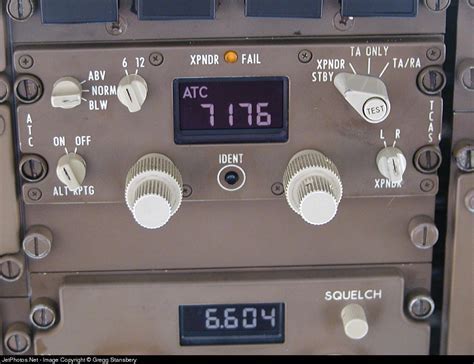
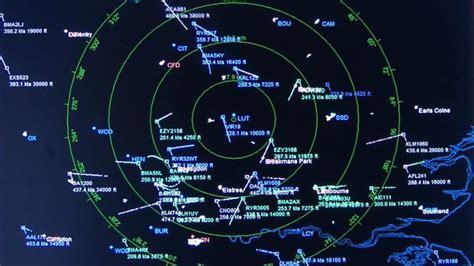
An aircraft transponder is an electronic device that automatically responds to interrogation signals from radar stations on the ground. It broadcasts crucial flight data such as altitude, aircraft identification, and location. These responses enable Air Traffic Control (ATC) to maintain situational awareness, manage aircraft separation, and coordinate efficient traffic flow. Transponders significantly enhance aviation safety, especially in congested airspace where visual tracking alone would be insufficient.
Primary Functions of Aircraft Transponders
Transponders serve multiple purposes beyond just location identification:
- Traffic Collision Avoidance System (TCAS): Uses transponder signals to detect and resolve potential mid-air collisions.
- Air Traffic Control (ATC) Assistance: Helps controllers monitor and separate air traffic effectively.
- Search and Rescue (SAR) Operations: Facilitates quicker location of downed or missing aircraft.
- Flight Data Monitoring: Assists in performance analysis and post-flight incident investigations.
Each of these functions underscores the vital importance of maintaining an operational, properly configured transponder aboard all required aircraft.
Different Types of Aircraft Transponders
The FAA recognizes three primary transponder modes, each serving specific communication and identification functions:
Mode A Transponders
Mode A transponders are the simplest type, transmitting only a four-digit identification code known as the “squawk” code. Pilots set this code manually at the direction of ATC. Mode A units do not transmit altitude data, limiting their usage in controlled airspace environments.
Mode C Transponders
Building upon Mode A, Mode C transponders provide altitude information along with the squawk code. This additional data allows ATC to determine an aircraft’s vertical position, greatly improving airspace management capabilities.
Mode S Transponders
The most advanced transponder type is Mode S, designed to accommodate the increasing complexity of modern air traffic systems. Mode S devices transmit:
- A unique 24-bit aircraft address
- Aircraft flight ID
- Altitude and squawk code
- Extended aircraft information (for enhanced units)
Moreover, many Mode S transponders are integrated with ADS-B Out capability, allowing even richer surveillance data to be transmitted automatically.
FAA Transponder Regulations and Requirements
The legal framework for aircraft transponders in the United States is established in 14 CFR § 91.215. These regulations define when transponders are required and the types of airspace and operations that mandate their use.
When Must an Aircraft Have a Transponder?
Pilots must operate a functioning transponder when flying:
- In Class A, Class B, or Class C airspace
- Above 10,000 feet Mean Sea Level (MSL) (except below 2,500 feet Above Ground Level (AGL))
- Within a 30 nautical mile radius of the primary airport of a Class B airspace area (known as the Mode C Veil)
- Above, and within the lateral boundaries of, Class B or Class C airspace up to 10,000 feet MSL
These mandatory zones are crucial to maintaining the integrity of controlled airspace and preventing conflicts.
Transponder Requirements by Airspace Class
Different airspace classes have varying equipment mandates:
- Class A Airspace: Requires an operable Mode C or Mode S transponder with altitude reporting.
- Class B and Class C Airspace: Same requirements as Class A.
- Class D Airspace: No transponder required unless specified by ATC.
- Class E Airspace: Below 10,000 feet MSL, no transponder needed except within the Mode C Veil. Above 10,000 feet MSL, altitude-reporting transponders are mandatory.
Technical Requirements for Transponder Equipment
The FAA mandates that aircraft transponders must:
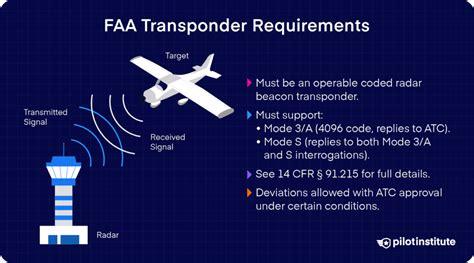
- Be a coded radar beacon transponder
- Reply with a Mode 3/A 4096 code and/or Mode S response as assigned by ATC
Transponders must remain operational unless specifically authorized otherwise by ATC. If an aircraft’s transponder becomes inoperative, pilots must either request permission to proceed or have it repaired before flight.
ADS-B Out and Its Relationship to Transponders
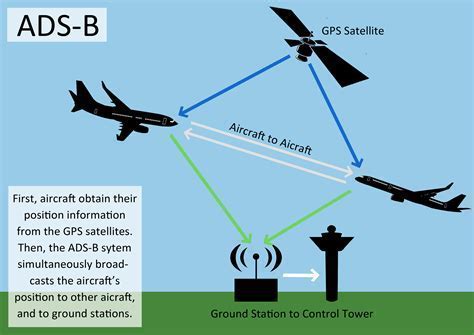
While ADS-B Out technology represents a major advancement in air traffic surveillance, it does not replace traditional transponder requirements. Instead, it complements them.
Where Is ADS-B Out Required?
ADS-B Out is mandatory in:
- Class A Airspace: Using the 1090 MHz ES (Extended Squitter) equipment
- Class B and C Airspace: 1090ES or 978 MHz UAT (Universal Access Transceiver) permitted
- Above 10,000 feet MSL: Except below 2,500 feet AGL
- Within 30 NM of major airports: Even at lower altitudes
- Over the Gulf of Mexico: Above 3,000 feet MSL
Exceptions to ADS-B Requirements
Certain aircraft are exempt under specific conditions:
- Aircraft without electrical systems (e.g., balloons, gliders) operating outside specified airspace
- Deviations granted by ATC for aircraft without ADS-B equipment, provided requests are made at least one hour prior to flight
Inoperative ADS-B systems must also be reported, with pilots requesting permission to continue operations if necessary.
Certification Standards for Transponders and ADS-B Equipment
All transponder and ADS-B equipment must meet FAA technical standards:
- TSO-C166b: For 1090 MHz equipment
- TSO-C154c: For 978 MHz UAT equipment
Equipment must be maintained in accordance with manufacturer guidelines and periodically inspected for operational integrity, ensuring compliance with FAA requirements.
Resources for Further Information
Pilots and aviation professionals seeking more detailed guidance should consult the following:
- FAA Regulations: 14 CFR § 91.215 and § 91.225
- FAA Advisory Circulars: Providing in-depth operational advice
- RTCA Publications: Offering technical standards and compliance criteria
The FAA also provides real-time updates and policy changes via its official website, an essential resource for staying informed about current and upcoming regulatory amendments.
Conclusion
Understanding and adhering to FAA transponder requirements is non-negotiable for pilots who operate in U.S. airspace. The rules surrounding transponder use, integrated technologies like ADS-B, and the varying demands of different airspace classifications ensure that every aircraft can be tracked and safely managed. Failure to comply can not only endanger lives but also result in severe regulatory penalties. Therefore, every pilot must remain vigilant, ensuring their aircraft is properly equipped and that they are fully aware of the operational expectations before each flight. Mastery of these systems is a hallmark of professionalism and an indispensable component of safe aviation practices.