Becoming a pilot at UPS is a dream for many aspiring aviators due to the company’s reputation, its expansive global operations, and its competitive compensation packages. However, this journey is not as straightforward as one might hope. The path to becoming a UPS pilot requires dedication, significant experience, and meeting stringent requirements that surpass those of many major airlines. This article will provide a detailed overview of the process, qualifications, and key steps necessary to secure a pilot job at UPS.
Understanding the UPS Pilot Role
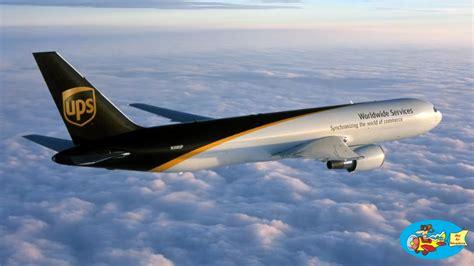
UPS is one of the largest logistics and courier companies in the world, with a fleet of aircraft that plays a crucial role in their operations. UPS pilots are responsible for flying cargo planes that range from smaller feeders to large wide-body jets, including the Boeing 757, 767, and others. These aircraft transport packages to and from UPS hubs, ensuring efficient operations that support millions of customers globally.
The role of a UPS pilot is complex and demanding, requiring not just technical flying skills but also an ability to handle high-pressure situations and work in fast-paced environments. Pilots must ensure that all flights adhere to safety protocols, meet flight schedules, and coordinate with ground teams to manage logistical operations effectively.
Key Qualifications and Experience for UPS Pilots
Becoming a UPS pilot is a highly competitive process. The company has high standards for the pilots they hire, and the qualifications and experience required are typically more extensive than what many other airlines demand. Here’s what you need to know about the essential qualifications:
1. ATP License
To be eligible for a pilot position at UPS, you must first obtain your Airline Transport Pilot (ATP) license. The ATP license is the highest certification a pilot can achieve, and it requires a significant amount of training, testing, and experience. The FAA sets rigorous standards for obtaining this license, including specific flight hours and a comprehensive written exam.
2. Flight Hours
UPS pilots are typically required to have significantly more flight hours than the minimum requirements set by most major airlines. On average, a UPS pilot needs at least 1,500 flight hours, with a significant portion of those hours spent flying multi-engine aircraft, often in a commercial airline environment. It’s worth noting that this is more than what many regional or feeder airlines require.
3. Experience with Specific Aircraft
UPS operates a large and diverse fleet of aircraft, so it’s advantageous for potential pilots to have experience with the specific planes that the company flies. For instance, pilots with prior experience flying the Boeing 757 or 767 will be in a stronger position, as these are central to UPS’s operations. While it’s not strictly necessary to have flown these aircraft before, prior certification can greatly improve a candidate’s chances.
4. A Four-Year Degree
Although not always a strict requirement, having a four-year college degree is often preferred. This requirement helps ensure that pilots possess a well-rounded skill set and can adapt to the diverse demands of the job, from problem-solving to communication with other teams.
The UPS Pilot Hiring Process
The process of becoming a UPS pilot is lengthy and highly competitive. It generally follows one of three paths: the Pathway Program, the military route, or the civilian airline route.
Pathway Program
UPS offers a Pathway Program, which is a structured internship followed by flying with a contracted partner, such as Ameriflight. This is one of the few internal pathways UPS has for hiring pilots, and it is competitive. Candidates who complete the program gain valuable flying hours with smaller aircraft, typically as a first officer, before eventually transitioning to UPS full-time.
Military Route
Another common path to a UPS pilot position is through military service. Many of UPS’s current pilots come from military aviation backgrounds, often from branches like the Air Force, Navy, or Army. Becoming a military pilot allows individuals to accumulate a significant amount of flying hours in complex aircraft, which is highly valued by UPS when hiring. Once a military pilot transitions to civilian aviation, they can apply for a position at UPS once they meet the required qualifications.
Civilian Airline Route
The most common route for many UPS pilots is through civilian aviation. After obtaining their ATP license, candidates typically begin their careers with smaller regional airlines, accumulating flight hours as they work their way up. After gaining sufficient experience, including at least 1,000 hours as a captain, candidates can apply for a position with UPS. Many pilots at UPS have worked for regional airlines, corporate flight departments, or have gained international flying experience.
It’s important to note that the competitive nature of the hiring process means that even after meeting the minimum requirements, securing a position with UPS is far from guaranteed. In fact, many pilots spend years accumulating the necessary experience and building a resume that will get them noticed by UPS recruiters.
What to Expect as a UPS Pilot
Once hired, UPS pilots enjoy a number of benefits, including competitive salaries, healthcare, retirement plans, and flight benefits. The company also provides extensive training programs for new hires to ensure they meet the company’s exacting safety standards. Pilots receive rigorous ongoing training throughout their careers at UPS, which ensures they stay current with regulations and best practices.
UPS pilots are based in various hubs across the United States, with significant operations in Kentucky (home to Worldport), Alaska, and other key cities. The nature of the job often requires pilots to work overnight shifts, as UPS operates 24/7 to meet the global shipping demands of its customers.
Challenges and Rewards of Being a UPS Pilot
While becoming a UPS pilot offers a prestigious and rewarding career, it is not without its challenges. The work-life balance can be demanding due to the irregular hours, including night flights and long stretches away from home. However, many pilots find the challenges worth it, thanks to the competitive pay and the opportunity to be part of a global logistics powerhouse.
Furthermore, UPS offers a supportive work environment and has one of the most robust union agreements in the aviation industry. This ensures that pilots have strong representation and support in areas such as salary negotiations, benefits, and job security.
For many pilots, the opportunity to fly for UPS also offers a sense of stability that is not always available in other parts of the aviation industry. The company’s long-term success and dominant position in the logistics market mean that there is a consistent demand for qualified pilots to ensure the smooth operation of its fleet.
Conclusion
Becoming a UPS pilot is a challenging but ultimately rewarding career path. It requires significant training, dedication, and years of experience, but the payoff can be substantial. For those willing to put in the time and effort, the opportunity to fly for one of the largest logistics companies in the world is well worth the effort. By following the necessary steps and gaining the required experience, aspiring pilots can one day join the ranks of UPS’s skilled aviators, helping the company maintain its global shipping operations.