The High Cost of Becoming a Pilot
Becoming a pilot is a dream for many, but the financial burden can be overwhelming. Pilot training involves significant costs, often amounting to tens of thousands of dollars, and for the majority of aspiring pilots, these costs must be covered independently. So, the question arises: do airlines pay for pilot training? In this article, we delve into the financial realities of pilot training, examining how costs are typically structured, who pays for it, and the rare instances where airlines offer financial assistance.
The Cost of Pilot Training: A Barrier to Entry
The financial cost of pilot training can be a major barrier to entering the aviation industry. In countries like the United States, the expense can exceed $60,000 to $100,000 for the initial stages of training. These costs cover everything from Private Pilot Licenses (PPL) to Commercial Pilot Licenses (CPL), including flight hours, instructor fees, and examinations.
Beyond the basic training, pilots often need additional certifications such as the Instrument Rating (IR) and Multi-Engine Rating (ME), which can further increase the financial burden. For those aiming to fly for major airlines, the costs associated with training, certifications, and hours required can easily climb higher, making it a significant investment.
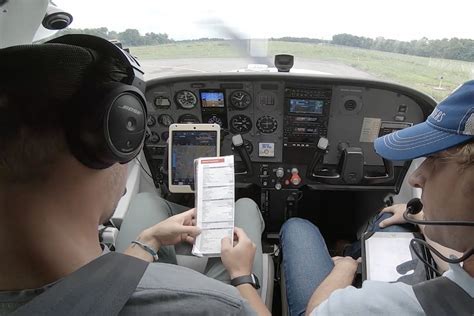
While the upfront cost is substantial, it is often viewed as an investment in the future. Becoming a commercial airline pilot opens the door to potentially lucrative salaries and a stable career. However, for many individuals, this level of financial commitment can be daunting, leading to the question: do airlines cover any part of this cost?
Do Airlines Pay for Pilot Training? The Standard Practice
In most cases, airlines do not pay for the initial pilot training. Aspiring pilots are generally responsible for covering the costs associated with obtaining their basic licenses and flight hours. This means that individuals must self-fund their training, often through personal savings, loans, or part-time work to support their education.
Once pilots are hired by an airline, the company may cover additional training costs, such as type ratings for the specific aircraft they will be flying. Type ratings are required for pilots to operate different kinds of aircraft, such as the Boeing 737 or Airbus A320. These ratings are critical for commercial flight operations, and airlines usually bear the cost once the pilot is officially on staff.
Exceptions to the Rule: Sponsored Training Programs
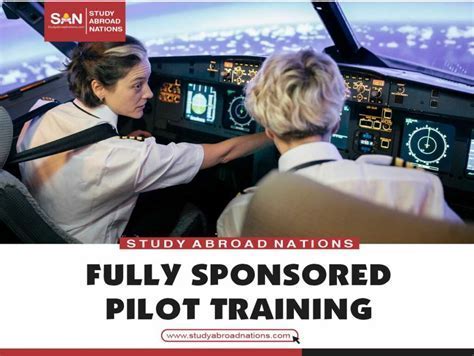
While most pilots are responsible for funding their own training, there are exceptions. A limited number of airlines offer sponsored training programs, particularly in regions like the United Kingdom, Middle East, and China. These programs typically cover the full cost of training, but they come with specific conditions.
For example, airlines like British Airways have launched cadet programs in which they sponsor pilot training from the ground up. These programs are highly competitive and typically require applicants to meet strict criteria, including academic qualifications and previous aviation experience. In exchange for covering training costs, airlines usually ask pilots to commit to a certain number of years of service, ensuring that they get a return on their investment.
Similarly, Middle Eastern airlines, such as Emirates and Qatar Airways, are known to sponsor flight training for select candidates. These programs, however, often require pilots to work for the airline for a set period after completing their training. Some programs even offer accommodation and living allowances during the training period.
Pilot Training in the U.S.: The Financial Burden
In the United States, pilot training is predominantly self-funded, and the financial burden on aspiring pilots can be heavy. While some airlines may offer loan assistance or limited reimbursements for training costs, the vast majority of pilots must secure their own funding. Many pilots enter the industry through flight schools or universities that offer aviation degree programs, but this path can also be expensive.
Some U.S. airlines, such as American Airlines, provide a financial assistance program for pilots, which offers up to $25,000 in tuition reimbursement. However, this is typically offered once the pilot has been hired and completed their initial flight training. It does not cover the full cost of training, and the pilot is still responsible for the majority of the financial burden.
Other Funding Options for Aspiring Pilots
Because pilot training is costly, many aspiring pilots look for alternative funding options. Here are some of the most common ways pilots fund their training:
- Personal savings: Many pilots start saving from a young age, knowing that flight training is expensive.
- Student loans: Some pilots take out student loans to cover the cost of training. These loans can often be paid back over time with interest, though they still add to the overall cost of becoming a pilot.
- Part-time jobs: Many pilots work multiple jobs or take on side gigs to fund their training. This might include jobs in the aviation industry, such as flight instructors or ground crew members, or jobs unrelated to aviation.
- Military service: Some individuals opt for military service as a way to gain flight experience. The U.S. military, for example, offers flight training programs that allow individuals to become pilots in the armed forces, after which they can transition into civilian aviation careers.
International Programs: The Global Landscape of Pilot Training Sponsorship
While U.S. pilots often face the financial burden of paying for training, pilots in other parts of the world may have access to different opportunities. For instance, in countries like China and some European nations, airlines may sponsor pilot training programs to ensure a steady supply of qualified pilots.
- China: In recent years, several Chinese airlines have begun sponsoring pilots from zero flight experience to becoming fully qualified commercial pilots. These programs often come with a long-term contract that requires pilots to work for the airline for a specified period after completing their training. The airline will cover the training costs, but failing any key assessments may lead to penalties or being asked to complete non-flying roles within the company.
- Europe: Some European airlines have sponsorship programs in place, where candidates can enter the airline as cadets and receive full financial backing for their training. However, these programs are usually highly competitive, and many pilots are still required to fund their early training independently before applying for such programs.
The Realities of Pilot Career Costs: Is It Worth It?
Despite the high cost of pilot training, many consider it a worthwhile investment. Once pilots are employed by major airlines, they can earn high salaries, which often exceed $100,000 per year, depending on their experience and the airline. Moreover, pilots are typically eligible for generous benefits, including health insurance, retirement plans, and travel perks.
However, not all pilots make it to the airline level. The failure rate for aspiring pilots is high, and the competition for jobs is fierce. Many pilots spend years in smaller aviation jobs (such as flight instructors or charter pilots) before landing a position with a commercial airline. Additionally, pilots must maintain their medical certifications and meet ongoing training requirements, which can add to the financial burden.
Conclusion: The Challenges and Opportunities in Pilot Training
Becoming a pilot remains a challenging and expensive pursuit. While the cost of training can be prohibitive for many, opportunities such as sponsored training programs and financial assistance from airlines are available, though they are rare and highly competitive. In most cases, aspiring pilots must fund their own training, but the investment can pay off in the form of a rewarding and lucrative career in aviation.
Ultimately, the decision to pursue a career as a pilot comes down to determination, financial planning, and a strong commitment to the industry. While the road to becoming a pilot is long and expensive, the rewards of flying high above the clouds can make the journey worth every penny.