Becoming an instrument-rated pilot opens up a world of opportunities, allowing you to fly under instrument flight rules (IFR) in a variety of weather conditions. This specialized certification not only enhances your flying skills but also significantly increases your versatility as a pilot. However, one of the most frequently asked questions regarding the instrument rating (IR) is the cost associated with training. This article provides a detailed breakdown of the IFR rating cost, helping aspiring pilots understand what they can expect when pursuing this advanced certification.
What is an Instrument Rating (IR)?
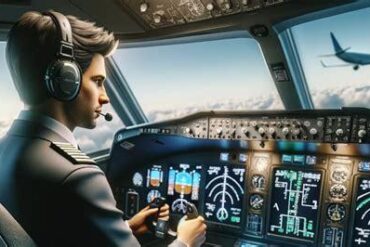
An Instrument Rating (IR) is an additional certification that allows pilots to fly solely by reference to instruments, without relying on visual cues outside the cockpit. This rating is essential for flying in adverse weather conditions, where visibility is low or clouds obscure the ground. Instrument training is more demanding than private pilot training, requiring extensive knowledge of navigation, weather systems, and aviation regulations.
Factors Influencing IFR Rating Cost
The cost of obtaining an instrument rating varies significantly depending on several factors. These include the type of aircraft, flight school, instructor fees, and geographic location. Understanding these elements is crucial for budgeting and planning your training. Let’s break down each factor to give you a clear picture of what to expect.
1. Aircraft Rental Fees
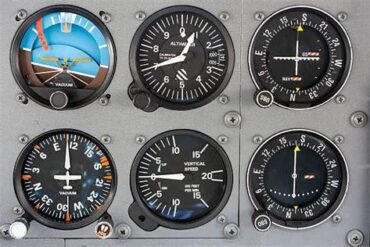
The primary cost in any flight training program is aircraft rental. The aircraft type used for training can have a major impact on the overall cost. Modern glass cockpits, like the Garmin G1000, are generally more expensive than traditional six-pack instrument configurations. For example, a G1000-equipped Cessna 172 typically costs around $169 per hour in some areas. On the other hand, a basic six-pack plane may cost significantly less. This cost can range from $150 to $300 per hour, depending on the region and type of aircraft.
2. Instructor Fees
Another significant part of the IFR rating cost is the instructor’s fee. A Certified Flight Instructor (CFI) is required for the training, and their hourly rates generally range from $60 to $100 per hour. However, the rate can vary based on the instructor’s experience and the school’s location. Some pilots may also require additional time with an instructor to meet training milestones, further increasing the cost.
3. Simulator Time
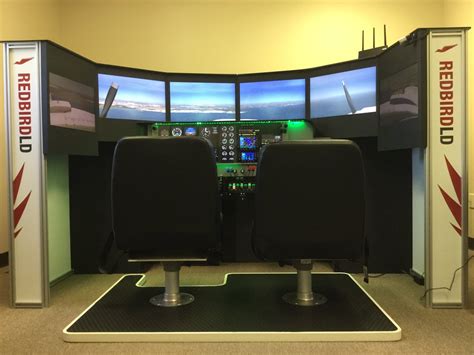
Simulators can be an excellent tool for instrument training, allowing you to gain valuable experience in a safe and controlled environment. Redbird AATD simulators, for example, are a common choice for pilots working on their IFR ratings. Simulators cost about $65 per hour, and can save you a significant amount of money since some of the required 40 hours of instrument time can be logged in a simulator. This option is especially useful when weather conditions make it difficult to fly.
4. Checkride and Test Fees
Once you’ve completed your training, the next major cost is the checkride — the final test you must pass to earn your instrument rating. Checkride fees can vary based on the examiner and location, but generally fall within the range of $300 to $1,600. Additional fees may apply if you need a retake, which could increase your total cost. Some flight schools also charge an administrative fee for scheduling the checkride.
5. Miscellaneous Costs
In addition to the primary costs, several smaller expenses contribute to the overall cost of the instrument rating. These might include:
-
Study materials: Books, online courses, and resources can cost anywhere from $100 to $500.
-
Medical exams: A medical certificate is required to ensure you are fit to fly. Costs for these exams typically range from $75 to $200.
-
Flight planning tools: Apps like ForeFlight or SkyVector may have associated fees, although many pilots already have access to them.
All these expenses can add up, so it’s essential to budget for them as well.
Typical Costs of IFR Training
While the costs mentioned above can vary, it’s helpful to understand what the average total cost of an IFR rating might be. A pilot training in a relatively affordable location with access to more basic aircraft and simulators could spend as little as $8,000 to $10,000. However, in more expensive areas, particularly where rates for aircraft rentals are higher, training could cost upwards of $15,000 or more.
For example, a pilot in Portland, Oregon, reported spending $169 per hour for training in a G1000 C172, $65 per hour for simulator time, and $65 per hour for instruction. This brings their total cost to around $12,000 for the rating, not including the checkride or additional training time.
Training Time Required for an IFR Rating
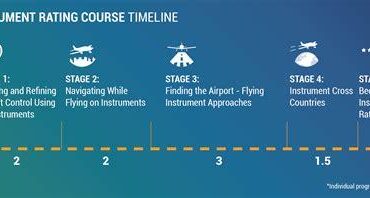
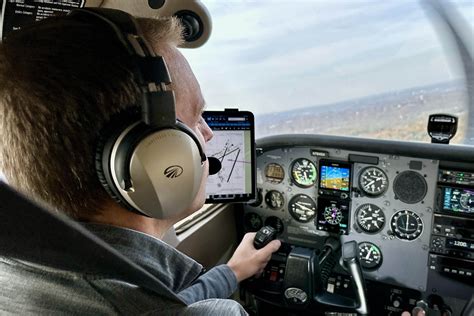
The FAA requires a minimum of 40 hours of instrument flight time to be eligible for an IFR checkride. Of these, 15 hours must be with an instructor, while the remaining hours can be either with an instructor or in a simulator. In practice, most students end up flying between 50 to 60 hours to complete their training, depending on their individual progress and learning speed.
Additionally, students must also complete 50 hours of cross-country flying as pilot-in-command (PIC) time, with 10 hours specifically in IFR conditions. These requirements ensure that the pilot is well-prepared for real-world IFR flight situations.
Factors That Can Increase or Decrease IFR Rating Costs
Several factors can either reduce or inflate the costs associated with obtaining an IFR rating. Some of these include:
-
Weather conditions: Adverse weather can lead to flight cancellations, which delays training and increases costs.
-
Location: Areas with higher operational costs, such as major metropolitan areas, may have higher training rates.
-
Flight school choice: Different schools offer varying rates, with some offering bundle packages for the entire training process.
-
Simulator availability: Having access to simulators can reduce overall costs by allowing students to log a portion of their hours without needing to rent an aircraft.
Additional Considerations
While the cost of an IFR rating is significant, it is important to consider the long-term benefits that come with it. Not only does an IFR rating enhance your flying capabilities and safety, but it also opens up additional career opportunities. Many commercial aviation jobs, including airline pilots and corporate pilots, require an IFR rating.
Furthermore, an IFR rating increases your ability to fly in a wider range of conditions, making you a more versatile and confident pilot. This can be particularly valuable for those who plan to fly frequently or travel long distances, as it significantly expands the number of days you can fly each year.
FAQs
1. How much does an IFR rating cost on average?
On average, the total cost of obtaining an IFR rating ranges from $8,000 to $15,000. This includes aircraft rental, instructor fees, simulator time, study materials, medical exams, and checkride fees.
2. Can I save money on IFR training?
Yes, there are ways to save money. Opting for simulator training, training in less expensive aircraft, and flying in areas with lower rates can help reduce the overall cost. Additionally, taking advantage of bundle packages offered by flight schools may offer some savings.
3. What is the minimum flight time required for an IFR rating?
The FAA requires a minimum of 40 hours of instrument flight time to qualify for an IFR rating. However, most pilots typically complete 50 to 60 hours in practice, depending on their individual progress.
4. Are there any additional costs besides flight training?
Yes, in addition to the flight training costs, there are costs for study materials, medical exams, and checkride fees. These can add several hundred dollars to the total cost of obtaining the IFR rating.
5. Is it worth getting an IFR rating?
Yes, obtaining an IFR rating is a worthwhile investment for any pilot looking to expand their flying capabilities. It increases your safety, confidence, and opens up new career and recreational opportunities, making it an invaluable certification for any serious pilot.