Instrument flying transforms a private pilot into an all-weather aviator, capable of navigating clouds, rain, and low visibility with precision and confidence. Earning an instrument rating is a major step toward professional flying, and even for recreational pilots, it greatly enhances utility, safety, and situational awareness. However, pursuing this credential can quickly become expensive and time-consuming without a strategic approach. We explore the most efficient, economical, and practical methods to earn your instrument rating, drawing on proven strategies, regulatory allowances, and modern training tools.
Understanding the Basics of the Instrument Rating
To earn an instrument rating, you must meet several FAA requirements under 14 CFR § 61.65, including:
-
At least 50 hours of cross-country PIC time
-
A minimum of 40 hours of actual or simulated instrument time, with 15 hours from an authorized instructor (CFII)
-
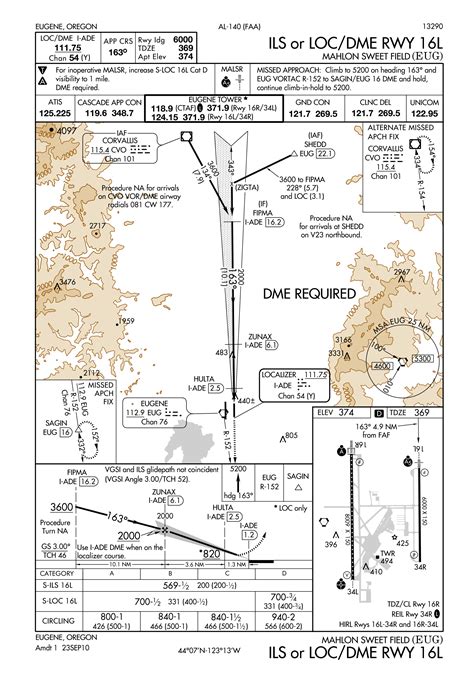
At least one cross-country flight under IFR that’s at least 250 NM with three different approaches
-
Pass a knowledge test and a checkride with a Designated Pilot Examiner (DPE)
These core elements are constant, but how you fulfill them can vary greatly in cost, duration, and efficiency.
Choose the Right Aircraft Platform Early
The debate between a Cessna 172 G1000, Piper Archer, or Cirrus SR20/22 is often framed around comfort and avionics preferences. But the deeper consideration is cost per Hobbs hour, instructor familiarity, and simulator availability.
If you ultimately plan to fly a Cirrus with Perspective or Avidyne avionics, it makes sense to train in something similar. However, Cirrus rentals are notably more expensive than a basic 172 or Archer. In contrast, the G1000-equipped Cessna 172 offers a more budget-friendly alternative with widespread availability of FAA-approved AATDs (Advanced Aviation Training Devices).
Sticking to one avionics suite throughout your training helps reduce learning curves and improves scan discipline. We recommend starting with the aircraft you expect to fly long-term—if it’s available with a simulator counterpart, even better.
Incorporate Simulators to Save Money and Reinforce Learning
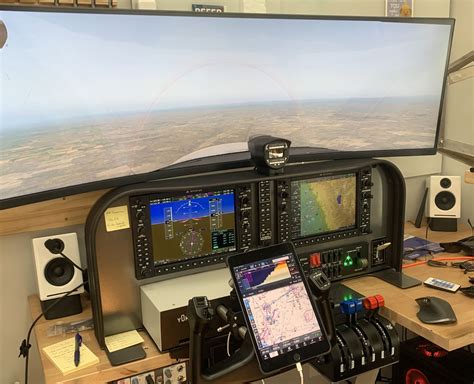
FAA regulations allow up to 20 hours of instrument time to be logged on an approved simulator (AATD or BATD) with a CFII present. This can cut costs significantly, as simulator time is usually half the cost of actual aircraft rental. Simulators are particularly effective for:
-
Approach briefing and execution
-
Holding pattern entries
-
Intercepting and tracking radials and courses
-
Emergency procedures and partial panel practice
-
Learning autopilot workflows
However, simulators are not ideal for stick-and-rudder skills, especially in IMC conditions. We advocate using simulators early and mid-training to build procedural proficiency, but closing out your hours in real-world weather whenever safe and possible adds invaluable experience.
Study Extensively Before You Fly
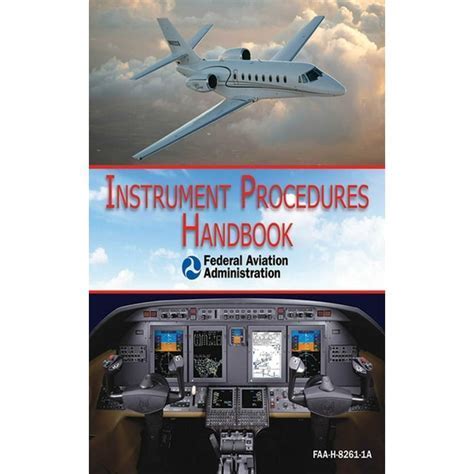
The FAA Instrument Flying Handbook and the Instrument Procedures Handbook remain essential references. Candidates should begin by completing the written knowledge test early. Ground school options like Sheppard Air, King Schools, and Sporty’s IFR course are highly effective and affordable.
The most efficient path involves front-loading your studies and test prep before spending serious money on aircraft time. Use free FAA handbooks, online flashcards, and apps like Gleim or Prepware for daily study.
A well-prepared student who can brief an approach, identify errors, and anticipate ATC clearances will spend fewer hours in the aircraft, directly reducing total cost.
Use a Safety Pilot Strategically
Under 14 CFR § 61.51(g), you can log simulated instrument time with a safety pilot while wearing a view-limiting device. This time counts toward the required 40 hours, and the only requirement is that the safety pilot be appropriately rated in the aircraft (e.g., hold at least a PPL).
If you find a reliable safety pilot, you can log several hours inexpensively, splitting rental and fuel costs. This strategy works well for building endurance, practicing holds, and flying approaches—but always consult your CFII first to avoid developing bad habits.
Part 61 vs. Part 141: Know the Differences
Many students wonder whether Part 141 programs offer advantages for the instrument rating. Under Part 141, you can complete training with only 35 hours of instrument time, and cross-country requirements may be waived. This can streamline training, especially for career-track pilots.
However, most of these benefits only apply if you complete the entire program through a certified 141 school. Part 61 offers flexibility, ideal for self-paced learners who wish to mix and match simulators, safety pilots, and different instructors.
Unless you’re attending a 141 academy from start to finish, Part 61 often proves more cost-effective and adaptable—especially if the same instructors and syllabus are used under both parts.
Use Cross-Country Flights to Build Real Experience
Many PPL holders have minimal cross-country PIC hours. Use this time to build toward your 50-hour requirement. These flights, ideally longer than 100 NM, can be combined with flight planning, navigation exercises, and procedural IFR practice.
Remember, the real value of an instrument rating is the ability to fly confidently and safely through complex airspace and weather. Use your cross-country flights to reinforce radio communication skills, become familiar with different airspace classes, and get comfortable filing flight plans.
The Value of a Great CFII
A highly skilled, experienced CFII can dramatically reduce your time to proficiency. They’ll know how to pace your lessons, correct bad habits early, and build confidence under the hood or in the clouds.
Don’t just stick with the first available instructor—interview candidates, ask about their IMC flying experience, teaching philosophy, and willingness to mix real-world and simulated training. A great instructor will help you:
-
Integrate IFR procedures into VFR flights early on
-
Use scenario-based training to simulate real-world challenges
-
Prepare thoroughly for the oral and checkride
We recommend flying at least once per week to maintain continuity. Gaps longer than 7–10 days can lead to skill decay and extra review lessons.
Cost Breakdown and Efficiency Tips
Here’s a rough breakdown of what to expect when pursuing an instrument rating economically:
-
Aircraft rental (40 hours): $7,200–$9,600
-
Instructor time (25 hours avg): $1,500–$2,250
-
Simulator time (20 hours): $800–$1,200
-
Ground school + materials: $300–$600
-
Knowledge test + checkride: $700–$1,000
Estimated Total Cost: $10,500–$14,000
To reduce this number:
-
Max out simulator and safety pilot hours
-
Study extensively beforehand
-
Choose an affordable, IFR-equipped aircraft
-
Maintain flight frequency to avoid reviews
Maintain Proficiency Post-Rating
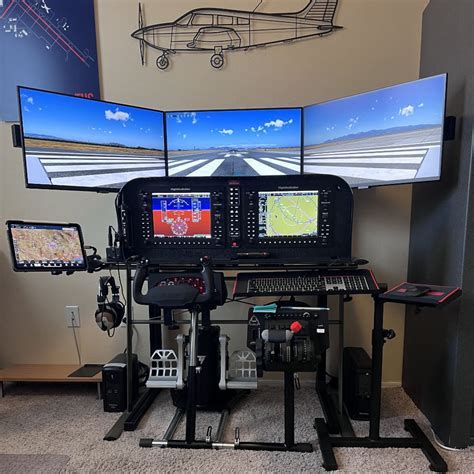
Earning the rating is only half the journey. Staying sharp means flying in IMC regularly, or at least conducting frequent IPCs (Instrument Proficiency Checks). A home simulator—even if unloggable—can help you stay familiar with procedures and workflows.
Many pilots subscribe to ForeFlight + Jeppesen, practice approaches using PilotEdge, or invest in basic sim gear to stay ready. Continued mentorship with your CFII is also valuable to avoid complacency.
FAQs
Can I use a home simulator like X-Plane to log instrument time?
No. While X-Plane and Microsoft Flight Simulator are excellent practice tools, you cannot log time on them unless they are configured as FAA-approved AATDs or BATDs and used with a CFII. However, they are still incredibly useful for procedural training and staying current.
Is it better to get an instrument rating under Part 61 or Part 141?
It depends on your goals. Part 141 is ideal for structured, full-time students and may reduce required flight hours. Part 61 is more flexible and often cheaper for independent learners. Many schools operate under both; cost savings often come down to smart simulator use and study habits.
Does the type of aircraft matter for the instrument rating?
Legally, no. But for practical reasons, it helps to train in an aircraft similar to what you’ll fly long-term. Familiarity with avionics and autopilot systems can improve training efficiency. Still, a basic IFR-capable aircraft is perfectly valid and may be more cost-effective.