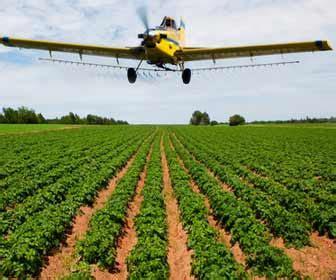
Before charting the most cost-effective route, we must understand the barriers inherent in agricultural aviation. Crop dusting, or aerial application, is not typically a job handed to fresh pilots. It demands proficiency in low-level flying, tight turns, and handling chemical loads, often in adverse weather conditions. Consequently, many operators prefer pilots with 1,000+ flight hours or substantial tailwheel and stick-and-rudder experience.
For an aspiring pilot starting from scratch, this reality means that jumping directly into the cockpit of an Air Tractor or a Thrush is unlikely. Instead, the gateway often begins on the ground.
Starting from the Ground Up: The Loader Pathway
A widely recognized, cost-efficient entry point into the industry is through ground crew positions. Known as “loaders” or ground support technicians, these roles involve mixing chemicals, loading tanks, fueling aircraft, and performing basic maintenance. Though the work is physically demanding—and occasionally exposes workers to agricultural chemicals—it offers critical exposure to the operational environment of crop dusting.
By working closely with experienced pilots, loaders gain practical insights into flight patterns, chemical handling, and safety protocols. More importantly, they build trust and connections with operators who may eventually offer an entry-level flying opportunity.
This route allows aspiring pilots to avoid the financial burden of specialized agricultural flight schools, which can cost tens of thousands of dollars. Instead, loaders earn an income while positioning themselves for mentorship and eventual advancement into a cockpit seat.
Earning Licenses Strategically to Save Money
Flight training remains an unavoidable expense, but thoughtful sequencing can reduce costs. We recommend the following progression:
- Private Pilot License (PPL): Start with earning a PPL at a local flight school or community aviation club. Opt for smaller airfields with competitive rates and seek instructors willing to use older, lower-cost aircraft.
- Instrument Rating (IFR): While not always required for crop dusting, having an instrument rating adds credibility and enhances safety—particularly useful if pursuing side gigs in other aviation sectors.
- Commercial Pilot License (CPL): Essential for paid flying, the CPL can be achieved at schools offering accelerated or modular programs. Accumulate hours by renting aircraft during off-peak seasons or flight-sharing with other trainees to split rental costs.
- Tailwheel Endorsement: Since most ag aircraft are taildraggers, this endorsement is mandatory. It’s best pursued early to build tailwheel proficiency, using basic aircraft like a Piper Cub or Citabria to minimize rental rates.
Each license should be viewed as a stepping stone, with flying opportunities—such as glider towing, banner towing, or skydiver drop-pilot work—used to build hours affordably. These jobs cultivate stick-and-rudder skills, a non-negotiable requirement for crop dusting.
Leveraging Seasonal Availability for Intensive Training
An aspiring pilot with 3-4 months off during colder seasons, as shared by many industry hopefuls, is uniquely positioned to pursue intensive training blocks. Booking multiple lessons per week or arranging a condensed training syllabus can lead to faster progression at lower cumulative costs, especially in regions with favorable winter weather.
Additionally, downtime outside the growing season can be invested in shadowing current ag pilots, volunteering at local airstrips, or enhancing technical knowledge through pesticide applicator certifications, further increasing employability.
Building Relationships Within the Community
The agricultural aviation industry is famously insular, often favoring referrals and word-of-mouth recommendations over formal applications. Proactively engaging with local operators is indispensable. We recommend regularly visiting the three nearby dusting businesses mentioned in the reference case, offering to wash planes, sweep hangars, or assist with ground tasks.
Face-to-face interactions, even if limited to brief conversations during lunch breaks or after work, establish familiarity. Over time, this builds credibility and signals dedication—qualities highly regarded by operators wary of entrusting expensive aircraft to newcomers.
Avoiding Costly Detours: When Ag Flying Schools Are Not the Best Option
While specialized agricultural flight schools provide structured programs with access to training aircraft like Air Tractor AT-402s or Piper Pawnee 260s, they come with hefty price tags—often ranging from $30,000 to $70,000 for a single season of training. For pilots embedded in local ag communities or already working ground support roles, these programs may offer diminishing returns compared to apprenticeship-based learning on-site.
A key insight from industry veterans is that operators prefer candidates they know personally over graduates from generic programs. By investing time directly with local businesses rather than paying for distant certification, aspiring pilots avoid the double cost of tuition and subsequent hours-building required to meet minimum insurance thresholds.
Preparing for the Long Game
We must emphasize that becoming a crop duster is not an overnight journey. Even with an efficient pathway, accumulating the required hours and skills will likely span several years. It involves embracing a dual identity: working the ramp while methodically advancing flight credentials.
Every fuel load, every aircraft wash, every late-night tank rinse serves not merely as a task, but as an investment in future cockpit opportunities. Patience is critical; those who endure the grind of ground support often emerge with deeper operational understanding and higher regard from potential employers.
Safety, Reputation, and the Weight of Responsibility
Beyond technical hurdles and financial calculations lies an essential truth: agricultural flying is hazardous and unforgiving. Low-altitude operations over powerlines, unpredictable winds, and chemical exposure demand a high level of situational awareness. Operators prioritize safety records and reputational trust when selecting pilots for even entry-level flights.
Thus, aspiring pilots must cultivate a safety mindset from the outset—demonstrating meticulous attention to detail, willingness to learn from critiques, and readiness to handle responsibility well before handling controls.
Conclusion: The Cost-Effective Path Is Relationship-Driven
In summary, the most cost-effective method to become a crop duster pilot is not a shortcut but a carefully navigated journey that leverages ground support roles, strategic licensing, and relationship building within the ag aviation community. Avoiding costly formal ag schools in favor of direct mentorship and incremental hour-building not only reduces financial burden but also aligns with how most operators recruit new pilots.
By embracing a phased approach—starting on the ground, progressing through essential flight ratings, pursuing stick-and-rudder jobs to log hours, and steadily earning trust within local dusting businesses—aspiring pilots position themselves for success without incurring unsustainable debt. Ultimately, this pathway balances affordability with access, ensuring readiness for the demands of the cockpit and the respect of those who already fly the challenging, rewarding skies of agricultural aviation.