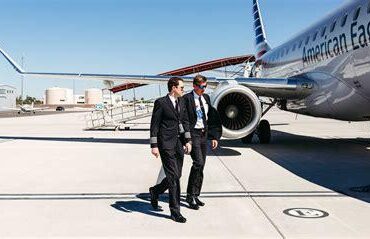
The journey to becoming a U.S. airline First Officer is often romanticized—sleek uniforms, commanding views from 35,000 feet, and a career that quite literally takes off. But behind that polished image lies a significant financial commitment that aspiring pilots must navigate long before they ever touch the controls of a commercial jet. Understanding how much pilot training costs is not just about numbers—it’s about strategy, choices, and long-term career positioning.
At its core, the cost of pilot training in the United States varies dramatically based on training structure, location, prior experience, and career path. While some candidates manage to enter the industry for under $70,000, others invest well over $200,000 before reaching the right seat of an airliner. That wide range isn’t arbitrary—it reflects fundamentally different approaches to flight training.
The financial reality is straightforward: becoming a professional pilot requires accumulating certifications, flight hours, and technical expertise in a highly regulated environment. Each of these steps comes with its own price tag, and those costs compound quickly.
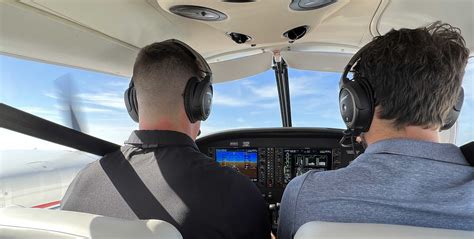
Breaking Down the Core Cost of Pilot Training
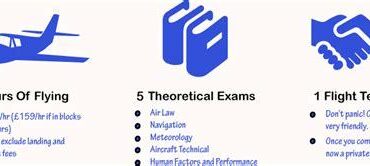
To reach the level required for an airline First Officer, pilots must progress through several key certifications. These include the Private Pilot License (PPL), Instrument Rating (IR), Commercial Pilot License (CPL), and often Certified Flight Instructor (CFI) credentials. Each stage represents both a skill milestone and a financial checkpoint.
On average, the cumulative cost of these certifications falls between $90,000 and $130,000, according to major flight academies like ATP Flight School. However, that figure assumes a relatively structured and efficient training path. In reality, costs fluctuate depending on how frequently a student flies, fuel prices, aircraft availability, and instructor rates.
A closer look at typical training expenses reveals how quickly costs add up:
- Private Pilot License: Around $14,000
- Instrument Rating: Approximately $12,750
- Commercial Pilot License: Roughly $28,000
- Certified Flight Instructor Certification: Near $10,000
These are baseline figures, not guarantees. Delays, weather interruptions, or inconsistent scheduling can increase both training time and expenses. In aviation, inefficiency is expensive.
Three Distinct Paths to the Flight Deck
Not all pilots take the same route to the airlines. In fact, the path chosen has a profound impact on total cost, timeline, and even career trajectory. Broadly, there are three primary pathways: independent (freelance) training, university aviation programs, and military service.
Independent Flight Training: The Budget-Conscious Route
The most financially accessible option is often self-paced training through local flight schools or flying clubs. This approach allows students to pay as they go, often sharing aircraft rental costs with other trainees to reduce expenses.
With careful planning, total costs can land between $50,000 and $70,000, making this the most affordable route. However, affordability comes with trade-offs. Training may take longer, scheduling can be inconsistent, and students must take greater responsibility for managing their progress.
Still, for disciplined individuals, this path offers a compelling balance between cost and flexibility.
University Aviation Programs: Premium Pricing for Structured Excellence
At the opposite end of the spectrum are aviation universities, which bundle flight training with a bachelor’s degree. These programs offer a highly structured environment, access to newer aircraft, advanced simulators, and direct pipelines to airline recruiters.
But that premium experience comes at a steep price. When tuition, housing, and flight fees are combined, total costs can exceed $200,000.
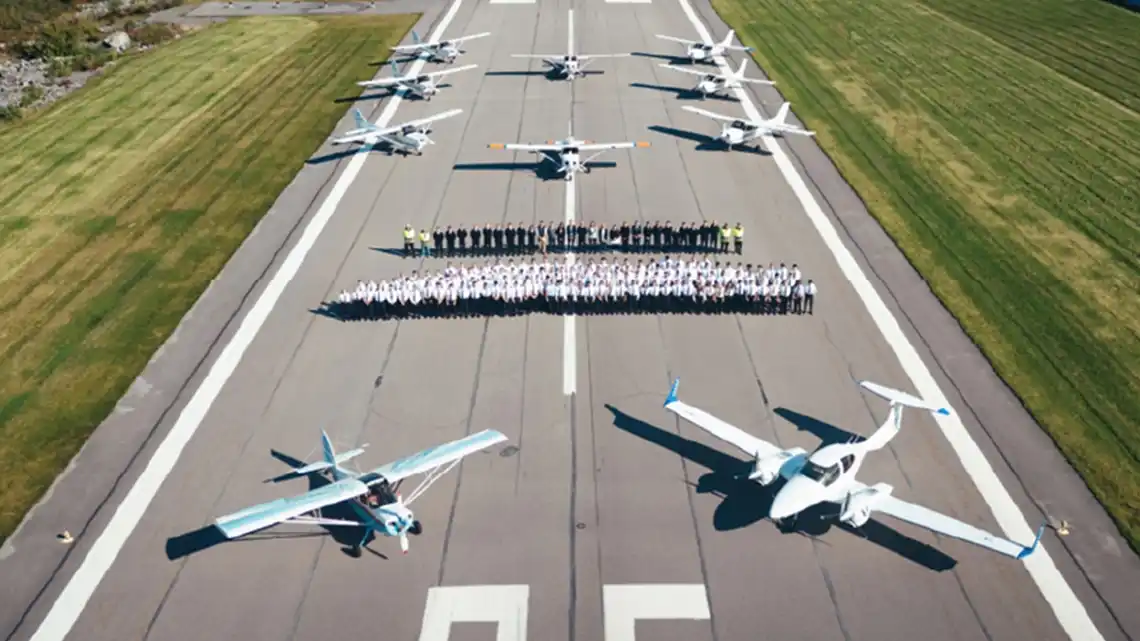
The advantage here is not just education—it’s networking, credibility, and streamlined progression. Graduates often benefit from partnerships with regional airlines, potentially accelerating their path to the cockpit.
Still, from a purely financial perspective, this is the most expensive route—and one that requires careful consideration of return on investment.
Accelerated Flight Academies: Speed at a Price
For those eager to fast-track their aviation careers, accelerated academies offer an intensive alternative. These programs can take a complete beginner to job-ready pilot in as little as 12 to 18 months.
The catch? Cost. These programs typically fall within the $90,000 to $130,000 range, similar to structured training averages, but demand full-time commitment. Students often train daily, absorbing large volumes of technical knowledge while rapidly accumulating flight hours.
This approach works best for individuals who can dedicate themselves entirely to training without interruptions. It’s efficient—but relentless.
Location Matters: Where You Train Changes Everything
One of the most underestimated factors in pilot training cost is geographic location. Flight schools across the United States operate under vastly different economic conditions, and those differences directly impact hourly rates.
States like Oklahoma, Texas, and Kansas consistently rank among the most affordable, with hourly flight costs as low as $185 to $205. These regions benefit from lower fuel costs, reduced airfield fees, and strong ties to military aviation infrastructure.
In contrast, states such as California, New York, and Massachusetts can see hourly rates climb to $250 to $285, driven by higher living costs and operational expenses.
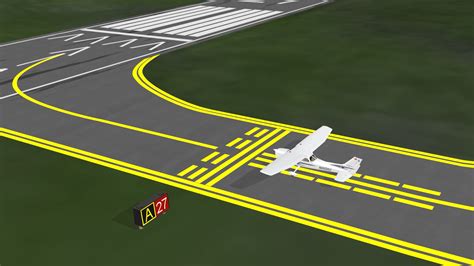
Florida deserves special mention. Often called a global hub for flight training, it offers a unique balance of affordability and infrastructure. The presence of major military bases like Pensacola Naval Air Station helps sustain a dense network of flight schools, which in turn fosters competitive pricing.
The takeaway is simple: choosing where to train can save—or cost—tens of thousands of dollars.
The Hidden Cost Drivers Most Students Overlook
While headline tuition numbers grab attention, several less obvious factors quietly influence total training expenses.
Fuel is a major variable. Aviation fuel prices fluctuate regionally and seasonally, directly affecting hourly flight rates. Similarly, aircraft maintenance and insurance costs are baked into rental fees, often without transparency.
Instructor availability also plays a role. In high-demand areas, scheduling delays can stretch training timelines, increasing overall costs. Meanwhile, frequent weather disruptions—common in certain regions—can lead to canceled lessons and prolonged programs.
Even accommodation matters. Students who relocate to lower-cost training states must still account for housing, transportation, and daily living expenses, which can offset some of the savings.
Military Aviation: The Million-Dollar Training You Don’t Pay For
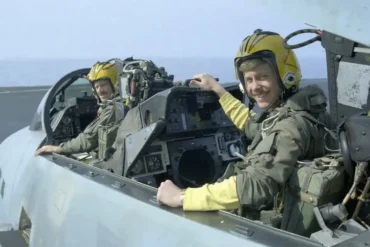
For those willing to commit, the U.S. military offers the most financially advantageous path—at least on paper. Military pilot training is estimated to be worth over $1 million, yet comes at no direct cost to the trainee.
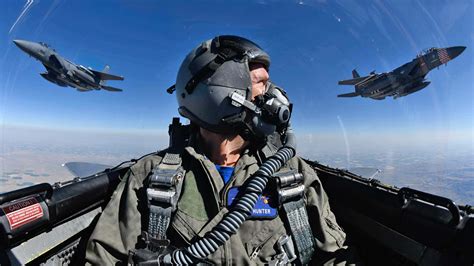
The trade-off is significant: a service commitment of 10 to 13 years, along with a highly competitive selection process. Not everyone who applies will be accepted, and even fewer will qualify for pilot training.
However, those who succeed emerge with extensive flight experience, often logging hundreds or even thousands of hours in advanced aircraft. This experience translates directly into civilian aviation opportunities.
Transitioning from Military to Airline Cockpit
Military pilots enjoy a unique advantage when transitioning to civilian airlines. Through military competency testing, they can bypass many of the standard training requirements needed for a commercial license.
Most importantly, they often enter the civilian market with a substantial portion of the 1,500 flight hours required for an Airline Transport Pilot (ATP) certificate already completed.
That said, some additional training is still required, particularly for those transitioning from helicopters to fixed-wing aircraft. Specialized rotor transition programs help bridge this gap, sometimes enabling pilots to qualify for airline roles in as little as 90 days.
Airlines actively recruit military pilots, frequently offering financial incentives or fully funded transition programs, further reducing out-of-pocket costs.
The Final Climb: Reaching 1,500 Flight Hours
Regardless of the training path, all aspiring airline pilots must reach the critical threshold of 1,500 flight hours to qualify for an unrestricted ATP certificate. This requirement is often the most time-consuming—and financially challenging—phase.
Many pilots build these hours by working as flight instructors, earning modest income while continuing to log time in the air. Others take on roles in cargo operations, banner towing, or aerial surveying.
This phase is less about formal training costs and more about time investment and income strategy. It’s where persistence becomes just as important as funding.
Total Investment: What It Really Takes
By the time a pilot reaches the right seat of a regional airline, total investment typically falls into one of these ranges:
- $50,000–$70,000: Independent, self-paced training
- $90,000–$130,000: Accelerated academies or structured programs
- $150,000–$200,000+: বিশ্ববিদ্যাল aviation degrees with full expenses included
- Minimal direct cost: Military pathway (with service commitment)
These figures don’t just represent money—they reflect different lifestyles, timelines, and risk profiles.
Is the Investment Worth It?
The cost of becoming a pilot is undeniably high, but so is the potential return. Airline pilot salaries in the United States have risen significantly in recent years, with First Officers at regional carriers earning competitive wages and rapid progression opportunities.
More importantly, the aviation industry continues to face pilot shortages, creating strong demand for qualified candidates. For those who navigate the training process strategically, the long-term career outlook remains highly favorable.
The real question isn’t just how much pilot training costs—it’s how intelligently that investment is made. Choosing the right path, location, and pacing can mean the difference between a manageable financial journey and an overwhelming one.
And somewhere along that journey—between the first takeoff and the final certification—the cockpit stops being a distant dream and starts becoming a workplace.