Introduction to the Radar Intercept Officer (RIO)
A Radar Intercept Officer (RIO) is a specialized aircrew member responsible for managing radar, electronic warfare systems, and weapons guidance in two-seat fighter and attack aircraft. RIOs played a crucial role in combat aviation, ensuring the effectiveness of air-to-air and air-to-ground missions by providing pilots with advanced situational awareness and fire-control solutions. The role became widely recognized through its depiction in films like Top Gun, showcasing the intense responsibilities that RIOs shouldered in high-stakes aerial engagements.
Core Responsibilities of a Radar Intercept Officer
Radar and Sensor Management
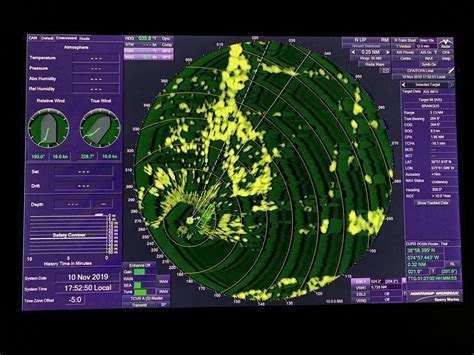
One of the RIO’s primary duties is to operate sophisticated radar systems that detect, track, and engage enemy targets. For instance, in the F-14 Tomcat, the RIO managed the AN/AWG-9 radar, capable of tracking up to 24 enemy aircraft simultaneously and engaging up to six with AIM-54 Phoenix missiles. This role required exceptional technical expertise in radar interpretation, electronic signal analysis, and threat assessment.
Weapons Guidance and Fire Control
In air-to-air engagements, RIOs were responsible for missile guidance, ensuring accurate targeting. For long-range intercepts, the AIM-54 Phoenix missile was often employed, and it was the RIO’s responsibility to maintain target locks and fire control solutions until the missile achieved its autonomous phase. Additionally, RIOs managed air-to-ground weapon systems in aircraft designed for multi-role combat.
Electronic Warfare and Countermeasures
A critical aspect of the RIO’s job involved electronic warfare (EW) operations, including:
- Jamming enemy radar to disrupt hostile targeting.
- Deploying chaff and flares to evade missile threats.
- Monitoring enemy transmissions for electronic intelligence gathering.
RIOs worked closely with electronic warfare specialists to counteract surface-to-air missile systems (SAMs) and enemy aircraft radar locks, making their role pivotal in survivability and mission success.
Situational Awareness and Tactical Coordination
The RIO provided real-time tactical updates to the pilot, enhancing decision-making during high-speed engagements. This included monitoring:
- Enemy aircraft positioning using beyond-visual-range radar data.
- Fuel status and mission time constraints.
- Navigation and engagement priorities based on battlefield conditions.
Their ability to process and relay information efficiently was crucial in dogfights and complex combat environments.
Aircraft-Specific RIO Roles
F-14 Tomcat: The RIO’s Iconic Role
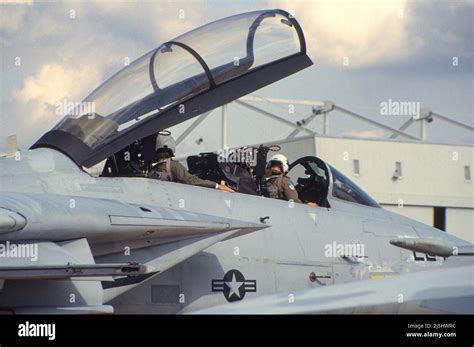
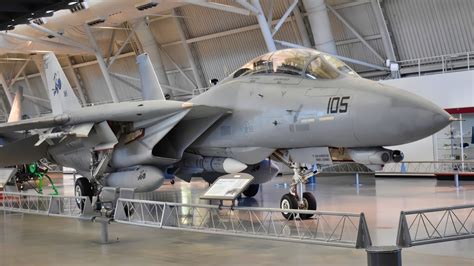
The F-14 Tomcat, introduced in the 1970s, featured a dedicated RIO seat with no flight controls, meaning the pilot focused entirely on maneuvering while the RIO handled weapons systems, communication, and radar. This separation allowed for greater efficiency in combat scenarios. The importance of the role was highlighted in real-world missions and Hollywood portrayals, such as Top Gun, where RIO “Goose” supported Maverick in aerial engagements.
Modern Dual-Seat Fighter Roles
Although the dedicated RIO role disappeared with the retirement of the F-14 in 2006, similar backseat officer positions persist in advanced aircraft like:
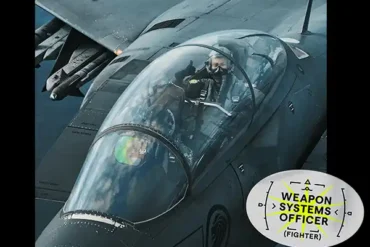
- F-15E Strike Eagle: Backseat officers handle navigation, targeting pods, and smart munitions deployment.
- Su-30 & Su-34 (Russia): Operate advanced targeting and surveillance systems.
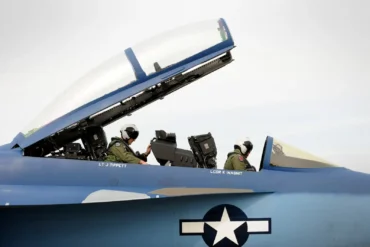
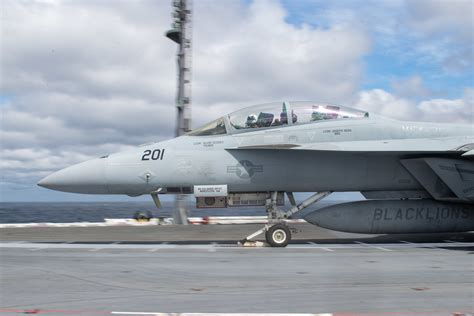
- F/A-18F Super Hornet: Features a Weapons Systems Officer (WSO), taking on many traditional RIO responsibilities.
Training and Skills of a Radar Intercept Officer
Rigorous Training Programs
RIOs underwent intensive training, covering:
- Advanced radar operation and interpretation.
- Missile physics and engagement strategies.
- Electronic warfare countermeasures.
- Tactical air combat and mission coordination.
Notably, the Naval Fighter Weapons School (Top Gun) placed heavy emphasis on RIO-pilot teamwork, developing standardized high-stakes communication protocols to ensure flawless execution of mission objectives.
Collaboration and Communication
Communication was paramount, as RIOs and pilots had to function as a seamless unit under extreme pressure. Standardized terminology and rapid-response calls minimized errors during combat.
Historical and Cultural Impact of RIOs
Cold War and Beyond
During the Cold War, RIOs played a pivotal role in air defense strategies against potential Soviet incursions. The F-14’s long-range radar and missile capabilities provided a technological edge over adversaries, ensuring air superiority over critical regions.
Hollywood’s Influence
Films like Top Gun cemented the RIO’s legacy in popular culture, portraying the teamwork, skill, and pressure involved in aerial combat. The phrase “Talk to me, Goose” became a symbol of the tight bond between pilots and RIOs.
End of the Traditional RIO Role
With the transition to single-seat fighters such as the F-35 Lightning II, automation and AI-driven sensor fusion reduced the need for a dedicated RIO. However, in complex missions requiring extensive sensor management and long-duration engagements, backseat officers remain invaluable.
Challenges and Safety Considerations
Ejection and Survival Risks
RIOs faced unique dangers, including accidental ejections and the risks associated with combat operations. A notable incident in 2002 involved a training ejection mishap, underscoring the dangers of high-speed air combat roles.
Handling Pilot Incapacitation
In emergencies, some aircraft allowed RIOs limited control capabilities, such as stabilizing the aircraft if the pilot was incapacitated. However, this varied by model and operational doctrine.
Conclusion: The Legacy of the RIO
The Radar Intercept Officer was a critical force in military aviation, blending technical mastery, tactical expertise, and real-time decision-making. While the role has evolved, its legacy remains in modern two-seat aircraft operations where advanced targeting and electronic warfare capabilities are required.
FAQ: Common Questions About Radar Intercept Officers
1. Why was the RIO role phased out in modern U.S. fighter jets?
The introduction of advanced AI-driven sensor fusion and automation in modern jets like the F-35 Lightning II reduced the necessity for a dedicated RIO. However, in complex missions requiring extensive electronic warfare and reconnaissance, similar roles still exist.
2. Did RIOs have any flight controls?
In the F-14 Tomcat, RIOs had no flight controls, focusing entirely on radar, weapons systems, and tactical coordination. Some modern aircraft allow backseat officers limited flight controls in emergency scenarios.
3. What was the most famous aircraft associated with RIOs?
The F-14 Tomcat remains the most famous RIO-associated aircraft, particularly due to its role in Cold War air superiority missions and its portrayal in films like Top Gun.