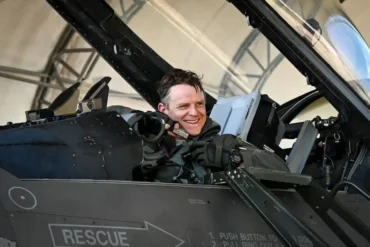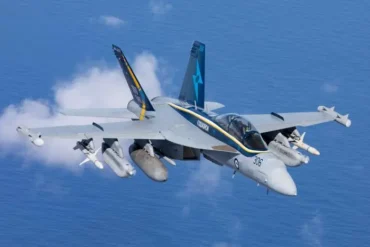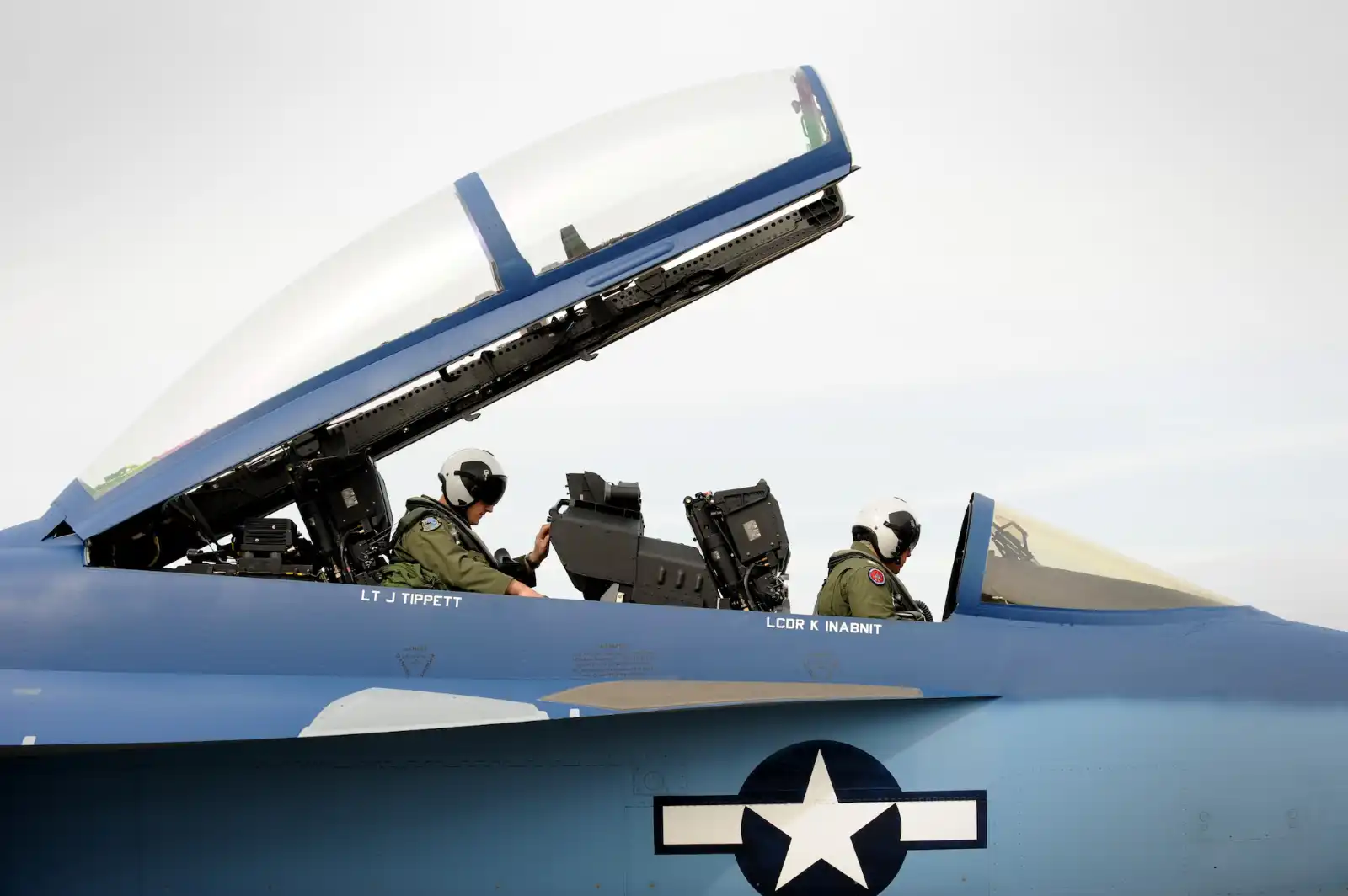
An Electronic Warfare Officer (EWO) is a critical component of modern military forces, responsible for leveraging the electromagnetic spectrum (EMS) to gain a tactical advantage over adversaries. These highly trained specialists employ electronic countermeasures (ECM) to disrupt enemy radar, communications, and electronic surveillance systems, ensuring friendly forces maintain operational superiority. The role of an EWO extends across multiple military branches, including the Air Force, Navy, and Army, solidifying their significance in contemporary warfare.
Core Responsibilities of an Electronic Warfare Officer
The primary mission of an EWO is to counteract enemy electronic capabilities while protecting allied electronic assets. Their duties encompass three fundamental areas:
1. Electronic Attack (EA)
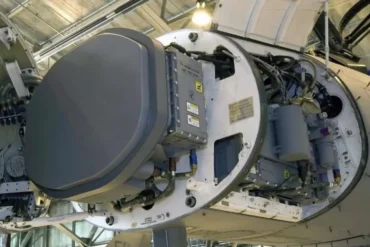
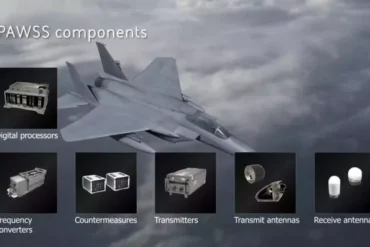
Electronic Attack involves actively disrupting enemy electronic systems through jamming and deception techniques. EWOs employ advanced ECM systems, including:
- AN/ALQ-155 – A high-powered jamming system designed for large bomber aircraft such as the B-52 Stratofortress.
- AN/ALT-32 – A sophisticated jammer that neutralizes enemy communications and radar systems.
These systems emit high-frequency signals to confuse or disable enemy radars, preventing accurate targeting of friendly assets.
2. Electronic Protection (EP)
To counter adversary electronic attacks, EWOs implement measures to safeguard friendly forces’ electronic systems. This includes:
- Use of advanced radar warning receivers such as the AN/ALR-46, which alerts crews to incoming threats.
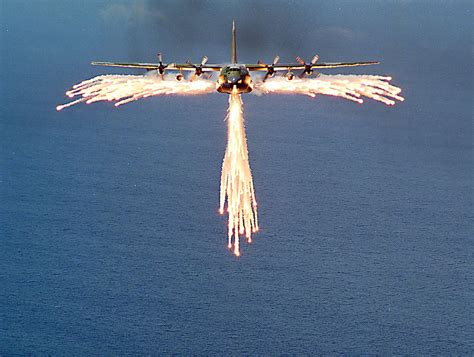
- Deployment of defensive countermeasures like chaff and flares, diverting enemy radar and infrared-guided missiles away from friendly aircraft.
3. Electronic Support (ES)
EWOs also play a vital role in electronic surveillance and intelligence gathering. This involves:
- Utilizing ELINT (Electronic Intelligence) and SIGINT (Signals Intelligence) systems to monitor enemy transmissions.
- Operating passive detection systems like the AN/ALR-20A, which scans the electromagnetic spectrum for hostile signals.
- Providing real-time battlefield awareness by analyzing enemy communication patterns.
Training and Deployment of EWOs
1. Selection and Training
The pathway to becoming an EWO involves rigorous selection and specialized training. In the U.S. Air Force, early EWO training occurred at Mather Air Force Base (AFB) in California, where candidates transitioned from navigation officers to electronic warfare specialists. Training includes:
- Intensive classroom instruction on EMS manipulation and ECM techniques.
- Simulator-based training to practice electronic countermeasures.
- Aircraft-specific training, depending on the assigned operational platform.
2. Platform Assignments and Roles
EWOs operate across various military aircraft, each requiring unique skill sets. Some key platforms include:
- B-52 Stratofortress – A strategic bomber equipped with high-powered jamming and ECM systems.
- F-111 Aardvark – A tactical strike aircraft with an integrated electronic warfare suite.
- F-4C Wild Weasel – A dedicated Suppression of Enemy Air Defenses (SEAD) aircraft, designed to locate and destroy enemy radars.
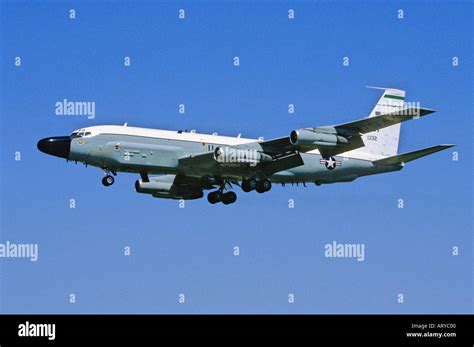
- RC-135 Rivet Joint – A signals intelligence (SIGINT) platform for electronic reconnaissance and intelligence gathering.
Advanced Technologies and Evolving EWO Capabilities
1. Next-Generation Electronic Warfare Systems
As adversaries develop more sophisticated radar and communication systems, EWOs must stay ahead with cutting-edge technology. Modern advancements include:
- Cyber-Electromagnetic Activities (CEMA) – Integrating electronic warfare with cyber operations for network intrusion and disruption.
- Digital Radio Frequency Memory (DRFM) Jammers – Capable of replicating enemy radar signals to deceive tracking systems.
- AI-Driven Spectrum Analysis – Utilizing artificial intelligence for real-time threat detection and response.
2. Multi-Domain Operations and Cross-Branch Integration
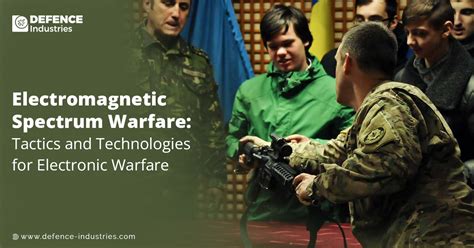
EWOs no longer serve exclusively in airborne roles. Their expertise extends to naval and ground forces, enhancing electronic counter-surveillance and cyber-warfare capabilities. Some key applications include:
- Naval Electronic Warfare – EWOs aboard vessels operate systems like the AN/SLQ-32, which counters enemy missile guidance systems.
- Ground-Based Electronic Warfare – Deployed units utilize mobile ECM platforms for battlefield electromagnetic dominance.
- Joint Electronic Warfare Coordination – Collaboration between the Air Force, Army, and Navy to ensure seamless electronic battlespace superiority.
Strategic Importance of EWOs in Modern Warfare
The reliance on electronic systems in 21st-century warfare underscores the importance of Electronic Warfare Officers. Their expertise directly impacts:
- Suppression of enemy air defenses (SEAD), ensuring air superiority.
- Protection of friendly forces from electronic threats.
- Enhancement of intelligence gathering and tactical decision-making.
As nations continue developing electronic warfare capabilities, the role of EWOs will remain indispensable in shaping future military conflicts.
FAQ: Electronic Warfare Officer
1. What are the main skills required to become an Electronic Warfare Officer?
An EWO must possess strong analytical skills, technical expertise in electromagnetic spectrum operations, and the ability to operate advanced electronic warfare systems. Knowledge of radar, jamming techniques, and electronic intelligence gathering is crucial.
2. What types of military aircraft require EWOs?
EWOs serve aboard various aircraft, including strategic bombers (B-52), tactical fighters (F-4C Wild Weasel), reconnaissance aircraft (RC-135), and electronic attack platforms. They also operate in ground-based and naval electronic warfare roles.
3. How is electronic warfare evolving with modern technology?
The field of electronic warfare is advancing with AI-driven spectrum analysis, cyber-electronic integration (CEMA), and next-generation jamming technologies. These innovations enhance threat detection, electronic deception, and battlefield dominance.
Electronic Warfare Officers remain pivotal in shaping the future of modern combat, ensuring strategic dominance in an increasingly digital battlespace.