Military transport helicopters stand at the core of modern battlefield logistics, enabling rapid troop deployment, equipment transport, and medevac operations across varied terrains and hostile environments. We recognize their critical role not merely as flying cargo holds but as integral components of a nation’s tactical and strategic capabilities.
Evolution of Military Transport Helicopters
The journey of military transport helicopters reflects continuous innovation. From their primitive origins in the mid-20th century to the sophisticated multi-role platforms we see today, these helicopters have evolved in both design and mission profile. Early models were limited in payload and range, often vulnerable to enemy fire, yet laid the groundwork for the development of armored, powerful, and versatile machines.
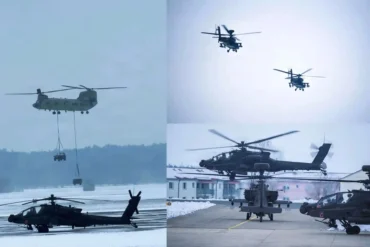
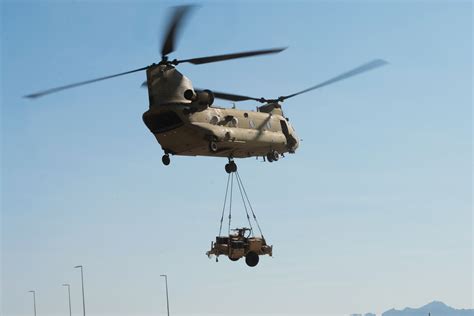
A prime example of this evolution is the CH-47F Chinook, the latest variant of Boeing’s iconic tandem-rotor helicopter. Introduced to enhance lift capacity, avionics, and survivability, the CH-47F remains pivotal for airlifting troops and heavy equipment into remote battle zones. With a maximum payload of 24,000 pounds and a cruise speed of 170 knots, the Chinook exemplifies power and reliability in military logistics.
Light Transport Helicopters: Agility Meets Versatility
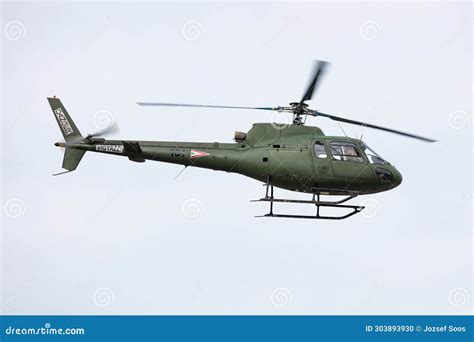
While heavy-lift helicopters command attention, light transport helicopters like the AS350 B3 and EC120 Colibri provide unmatched agility and operational flexibility. The AS350 B3, developed by Eurocopter, is renowned for its high-altitude performance, famously landing on Mount Everest’s summit in 2005. This feat demonstrates its powerful Arriel 2B1 engine and advanced avionics, making it ideal for reconnaissance, light cargo transport, and special operations insertions.
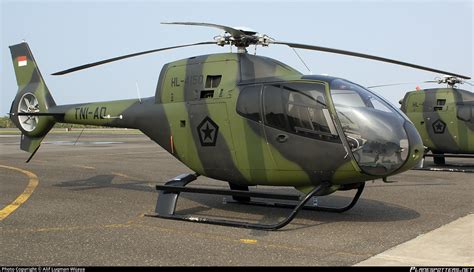
The EC120 Colibri, nicknamed “Hummingbird,” serves as an agile, lightweight solution for liaison and observation missions. Its Fenestron tail rotor and quiet operation reduce acoustic signatures, making it suitable for covert activities.
Medium-Lift Solutions: Balancing Capacity and Range
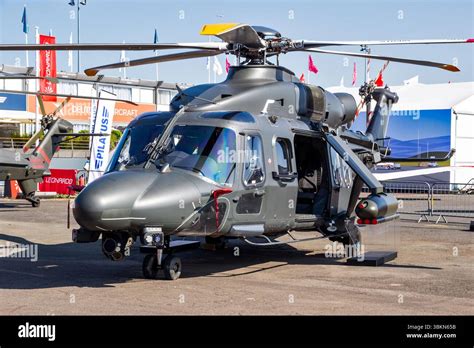
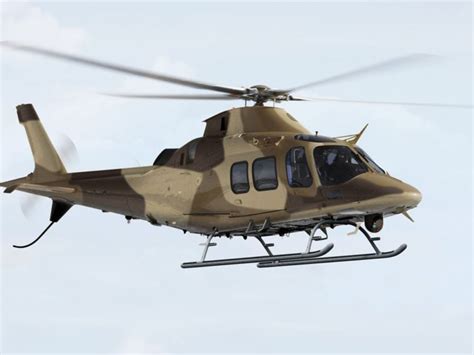
Medium-lift military transport helicopters fill the operational gap between heavy lifters and light tactical platforms. The AW149 from AgustaWestland exemplifies this balance. Equipped with twin engines and advanced defensive aids, the AW149 offers seating for 16 troops and a maximum payload of over 8,000 pounds. Its all-weather capability and crashworthy airframe ensure survivability in combat zones.
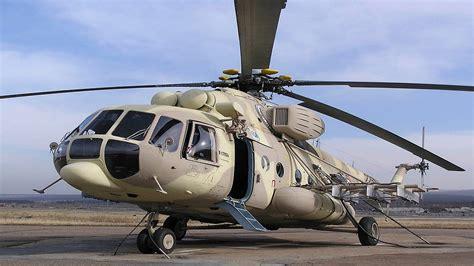
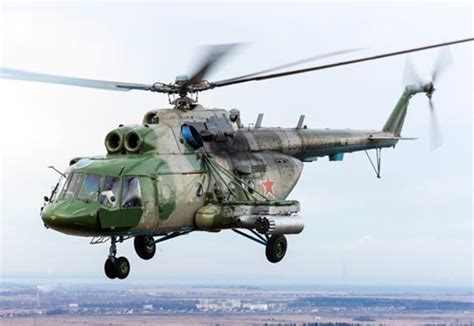
Another prominent medium-lift model is the Mi-17, a Russian multipurpose helicopter that has served in more than 60 countries. Known for its rugged construction and ease of maintenance, the Mi-17 can carry up to 4,000 kg of cargo internally or externally, offering reliable service in diverse environments from deserts to high-altitude regions.
Heavy Transport Helicopters: The Titans of the Skies
When missions demand maximum lift, heavy transport helicopters like the EC225 Super Puma step in. Developed by Eurocopter, the EC225 boasts a five-blade main rotor, long-range capability, and exceptional payload capacity. Its role spans troop transport, search and rescue, and offshore support, demonstrating versatility beyond combat.
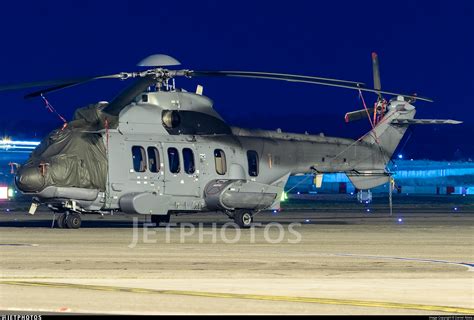
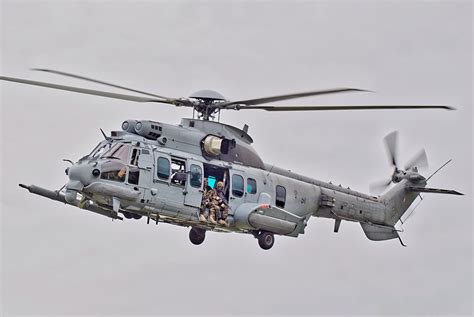
Meanwhile, the EC725 Super Cougar (Caracal) extends the Super Puma’s legacy into tactical long-range operations. Featuring integrated electronic warfare systems and self-protection suites, the EC725 ensures survivability during high-threat missions, including combat search and rescue (CSAR) and special forces insertion deep behind enemy lines.
Specialized Utility and Tactical Models
Beyond sheer transport, modern military helicopters blur lines between roles. The Bell 407GT, an armed variant of the Bell 407, merges transport utility with light attack capabilities. Outfitted with advanced sensors, precision weapons, and optional armor kits, the 407GT supports tactical reconnaissance and close air support alongside logistical tasks.
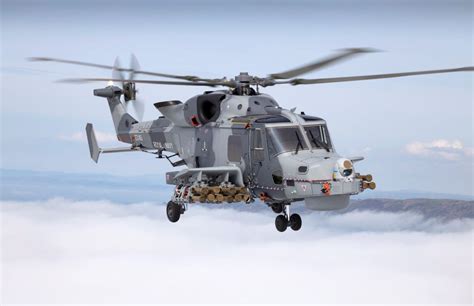
Similarly, the AW159 Wildcat elevates maritime and battlefield versatility. Its capability to carry anti-ship missiles, torpedoes, and sonar equipment enables operations in anti-surface and anti-submarine warfare, while retaining troop transport functions for amphibious and special operations.
Technological Enhancements in Modern Designs
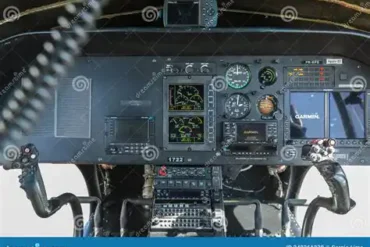
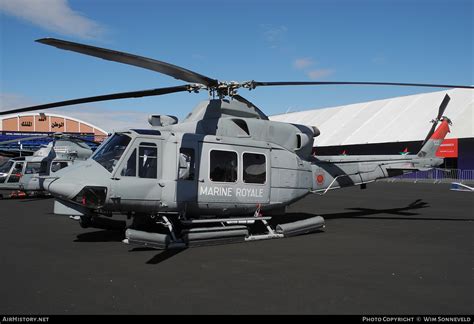
The latest generation of military transport helicopters integrates cutting-edge avionics, fly-by-wire controls, and survivability features. Helicopters like the Bell 412EPI embody this trend, incorporating electronic flight instrumentation systems (EFIS), enhanced autopilot modes, and real-time diagnostics to reduce pilot workload and increase mission safety.
Modern composite materials further reduce weight while improving ballistic resistance. Self-sealing fuel tanks, infrared suppression systems, and countermeasure dispensers are standard in many platforms, responding to asymmetric warfare threats and man-portable air-defense systems (MANPADS).
Operational Roles Beyond Combat
Though primarily designed for military logistics, transport helicopters fulfill crucial roles in disaster relief, humanitarian aid, and peacekeeping missions. During natural disasters, they deliver food, water, and medical supplies to isolated regions. Their ability to access areas unreachable by ground vehicles makes them indispensable during floods, earthquakes, and conflict-induced humanitarian crises.
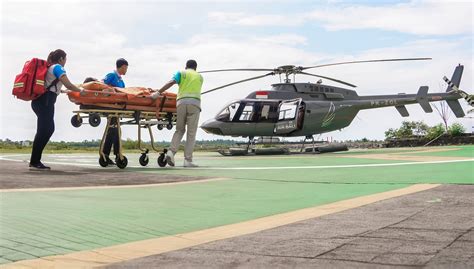
We must also acknowledge their role in casualty evacuation (CASEVAC) and medical evacuation (MEDEVAC) operations. Helicopters like the AW109 LUH have been modified with onboard medical suites, allowing life-saving care during transit from battlefield to hospital.
Future Outlook and Innovations
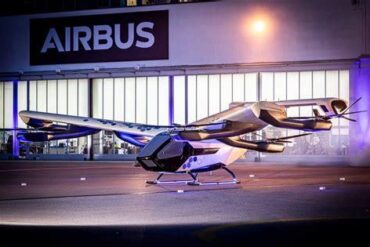
Looking forward, the future of military transport helicopters is being shaped by hybrid propulsion, greater automation, and modular mission packages. Concepts like the Defiant X and Valor tiltrotor platforms promise speeds exceeding traditional helicopter limits while maintaining vertical lift. Autonomous cargo drones are also being explored to complement manned transport fleets, reducing pilot risk in high-threat environments.
In conclusion, military transport helicopters remain indispensable assets in modern warfare and beyond. Their adaptability across combat, logistics, rescue, and peacekeeping underscores their unmatched versatility. As technology advances, we can expect these machines to evolve even further, carrying heavier loads, flying faster and farther, and integrating seamlessly into the digital battlespace of tomorrow.