Military aviation has always been a compelling subject—not just for professionals in the aerospace and defense sectors but for history buffs, veterans, and curious readers seeking insight into the adrenaline-fueled world of air combat, strategic operations, and human resilience. We have meticulously analyzed and selected the finest military aircraft books from both first-hand pilots’ memoirs and detailed strategic overviews, crafting a comprehensive guide for readers in search of authentic, richly detailed, and emotionally resonant stories of aerial warfare and aviation innovation.
Flying Legends and Cold War Secrets: Essential Reads From the Jet Age
Flying the SR-71 Blackbird – Richard Graham
Few books offer such exclusive insight into high-altitude reconnaissance as Flying the SR-71. Authored by former Blackbird pilot Colonel Richard Graham, this book is both technical and intimate, revealing the SR-71’s intricate systems, training protocols, and the extraordinary psychological demands of piloting the world’s fastest jet. Graham’s perspective is unique—he served as both a pilot and commander of the 9th Strategic Reconnaissance Wing, providing operational context beyond flight logs.
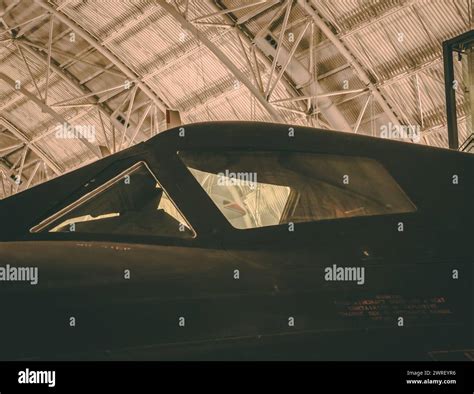
The SR-71 operated at Mach 3+ speeds and altitudes exceeding 80,000 feet, a realm few have experienced. Graham walks readers through pre-flight rituals, the complexities of aerial refueling, and even potential failure scenarios—all with a calm authority only a veteran of this secretive program could bring.
The Fighter Pilot’s Memoir: Combat, Character, and Controversy
Fighter Pilot – Robin Olds
One cannot discuss aviation literature without mentioning Brigadier General Robin Olds—a triple ace with victories in World War II and Vietnam. Fighter Pilot captures the soul of combat flying while exposing the bureaucratic battles within the Air Force hierarchy. Olds’ charisma, rebellious nature, and love for flying shine through every chapter, making this not just a book, but a legacy.
His narrative glides effortlessly between historical operations and personal anecdotes. More than just a pilot, Olds was a reformer who challenged leadership and changed air combat tactics. He exemplified the “lead from the front” ethos, flying over 150 missions in Vietnam.
Sled Driver – Brian Shul
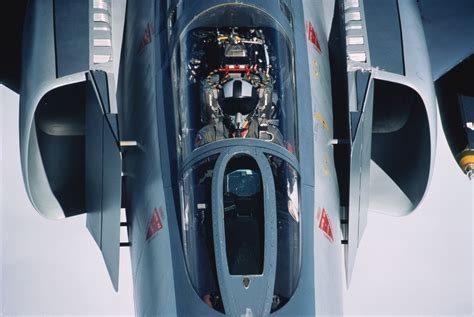
Another SR-71-centered masterpiece, Sled Driver is visually striking and emotionally poignant. Brian Shul’s prose is poetic—he brings the SR-71 to life not with systems diagrams but with storytelling that captures the mystique of flying faster than a bullet. The stunning photography embedded in the book only enhances its immersive power.
Warplane Warfare: Naval and Ground Support Perspectives
Flight of the Intruder – Stephen Coonts
Originally a naval aviator, Coonts delivers a fictionalized yet highly accurate depiction of A-6 Intruder operations during the Vietnam War. The tension, bureaucracy, and danger of low-level bombing missions in a rugged, twin-engine jet leap off the page. This book influenced generations of naval aviators and inspired a motion picture.
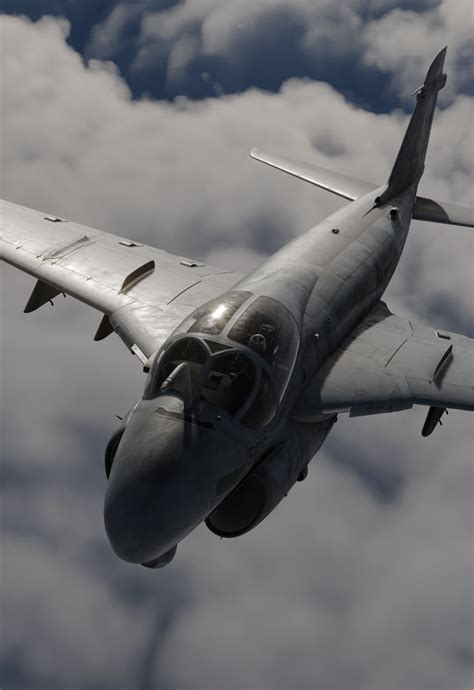
What makes Flight of the Intruder particularly effective is its balance between a pilot’s psyche and combat intensity. The protagonist’s internal struggles and sense of duty offer a realistic lens on wartime service.
Hogs in the Sand – Buck Wyndham
This underappreciated memoir of an A-10 Warthog pilot during the Gulf War deserves more acclaim. Wyndham recounts the challenges of desert operations, close air support missions, and the raw beauty of the A-10 Thunderbolt II—known for its survivability and the legendary GAU-8 Avenger cannon. His experiences reflect the grit and improvisation required during real-world combat.
Vietnam Helicopter Chronicles: Danger at Tree-Top Level
Chickenhawk – Robert Mason
An iconic Vietnam War account, Chickenhawk remains one of the most riveting pilot memoirs ever written. Mason served as a UH-1 Huey pilot during the peak of American involvement. He combines harrowing mission descriptions with introspective commentary on fear, PTSD, and disillusionment.
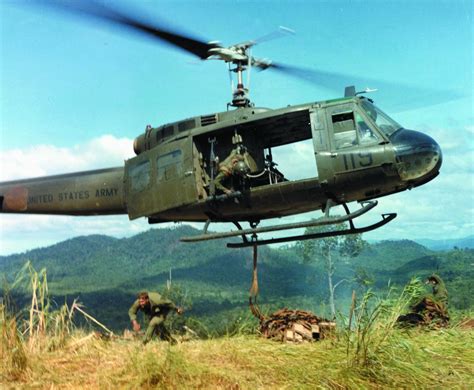
Unlike sanitized official histories, Mason exposes the daily terror of flying in “hot zones,” inserting and extracting troops under fire, and watching friends die. It is as much a psychological case study as a war memoir.
Low Level Hell – Hugh Mills
Mills flew the OH-6 Cayuse, nicknamed the “Loach,” and this book is an adrenaline-soaked tour through the most dangerous role in Vietnam: scout pilot. He details engagements at treetop level, often acting as bait to draw enemy fire so Cobra gunships could strike.
Aerial Tactics and Training Manuals: The Technical Edge
Fighter Combat: Tactics and Maneuvering – Robert Shaw
This is the definitive textbook on air combat maneuvering. Written by a former Navy Top Gun instructor, it explains energy management, positional geometry, missile evasion, and team tactics in unmatched clarity. Though more analytical than narrative, it’s indispensable for aspiring pilots or DCS enthusiasts seeking realism.
Per Ardua: Training an RAF Phantom Crew – Keeble & Gledhill
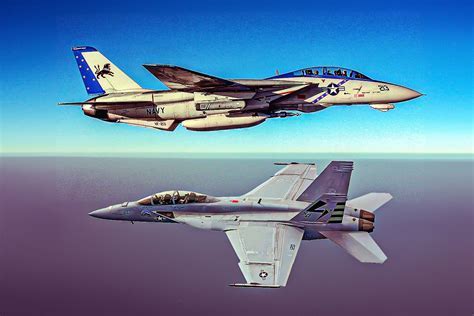
Focused on the Royal Air Force Phantom operations, this work dives into the rigorous crew coordination and navigation training. It provides an underappreciated look into the life of a back-seater—the navigator whose role is critical yet often overlooked. The authors capture the frustration, thrill, and camaraderie of Phantom training missions.
World War Testimonies: Ace Pilots and Their Frontline Memoirs
The Big Show – Pierre Clostermann
A French ace flying with the RAF, Clostermann’s The Big Show is poetic, gritty, and honest. He documents air battles over occupied Europe, describing Spitfire and Tempest missions with detail and reflection. The language is lyrical, but the horror is never romanticized.
First Light – Geoffrey Wellum
Another Battle of Britain memoir, Wellum was only 18 when he began flying Spitfires. His account captures the awe and trauma of aerial dogfighting in WWII. There’s a youthful innocence in his early chapters that fades as combat strips away idealism.
Cold War and Espionage: Covert Missions in the Sky
Skunk Works – Ben Rich
Ben Rich, who succeeded Clarence “Kelly” Johnson as head of Lockheed’s Skunk Works division, gives us unprecedented access into the engineering and political drama behind America’s most classified aircraft—such as the U-2, SR-71, and F-117 Nighthawk.
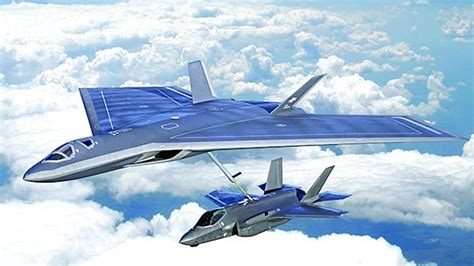
Skunk Works is as much a Cold War intelligence thriller as a technical chronicle. The cloak-and-dagger nature of its projects is revealed alongside stories of how budgets, presidents, and enemy threats shaped designs.
Modern Conflict and Fiction With Realism
Raven One – Kevin Miller
Though fiction, Raven One is penned by a real F/A-18 pilot and achieves a degree of operational realism few novels can match. Miller’s portrayal of modern carrier operations, ROEs (rules of engagement), and pilot banter is thoroughly grounded in experience. It’s ideal for those who want a blend of entertainment and authenticity.
Apache – Ed Macy
Macy’s narrative brings the British Army Air Corps’ AH-64 Apache missions in Afghanistan to life with cinematic detail. His writing is raw and immersive, bringing readers into the gunner’s seat amid firefights, tactical coordination, and on-the-ground interactions with troops. The book also provides a uniquely British perspective, full of dry wit and grit.
Lesser-Known Gems and Honorable Mentions
- Silver Waterfall – Kevin Miller: A compelling fictional story with echoes of Tom Clancy, but more focused on realism.
- Forever Flying – Bob Hoover: A chronicle of aerobatics and test flying from one of the world’s greatest aviators.
- Thud Ridge – Jack Broughton: F-105 Thunderchief missions over Vietnam, laced with criticism of leadership decisions.
- Red Eagles – Steve Davies: Insider story of the secret USAF unit flying MiGs at Groom Lake to train American pilots.
- Fulcrum – Alexander Zuyev: Rare Soviet perspective from a MiG-29 pilot who defected to the West.
Conclusion: Where to Begin Your Aviation Reading Journey
We recommend starting with Fighter Pilot by Robin Olds for character-driven leadership insights, Flying the SR-71 for technical marvel, and Chickenhawk for raw combat intensity. These titles span generations and perspectives—from jet propulsion to jungle insertions—providing a layered understanding of aerial warfare.
Each book on this list offers not just information, but immersion. Whether you’re fascinated by stealth technology, pilot psychology, dogfight tactics, or logistical planning, there is a book tailored to your interest.
The skies are vast, but the stories of those who flew them are even deeper. Read widely, read well, and remember—every sortie has a story.
FAQs
What is the best military aviation book for beginners?
Fighter Pilot by Robin Olds offers an accessible blend of history, character, and action that makes it ideal for newcomers.
Are these books suitable for non-military readers?
Yes. While some are technical, most focus on personal experiences, drama, and narrative flow, making them engaging for all readers.
Is “Sled Driver” worth its high price?
For collectors and SR-71 enthusiasts, yes. Its limited availability and stunning photography justify the cost for dedicated readers.
What’s a good fiction option with real-world accuracy?
Raven One by Kevin Miller combines fiction with deep operational knowledge, ideal for readers wanting both entertainment and realism.
Which book offers insight into Soviet aircraft operations?
Fulcrum by Alexander Zuyev and Red Eagles by Steve Davies offer rare perspectives into Soviet and American assessments of Eastern Bloc aviation.