Aircraft battery systems are an essential element of modern aviation infrastructure, serving not merely as backup units but as critical power sources for multiple operational phases of flight. From engine ignition and emergency systems to powering avionics and auxiliary components, batteries play a pivotal role in ensuring aircraft safety, reliability, and operational continuity. As aviation transitions toward greater electrification and environmental sustainability, understanding the types, performance metrics, and safety features of aircraft batteries becomes increasingly imperative.
Aircraft rely on three main types of batteries: lead-acid, nickel-cadmium (Ni-Cd), and lithium-ion. Each technology serves distinct functions and presents its own set of benefits and limitations in terms of energy density, maintenance requirements, cycle life, and temperature tolerance.
Lead-Acid Batteries: Proven but Heavier Workhorses
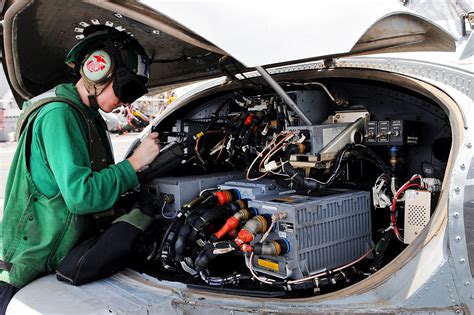
Lead-acid batteries have long served the aviation sector, particularly in general aviation and auxiliary ground operations. Their chemistry involves lead dioxide as the cathode, sponge lead as the anode, and diluted sulfuric acid as the electrolyte. Operating typically at 12V or 24V, these batteries deliver a specific energy density of 30–50 Wh/kg, marking them as the least energy-dense among the three types.
Despite this, their robustness, cost-efficiency, and ease of availability make them suitable for engine-starting functions and emergency power applications in small aircraft.
Their main advantages include:
- Low upfront cost
- Capability to deliver high surge currents
- Tolerance to rough handling and vibration
However, lead-acid systems are vulnerable to sulfation, gas emissions, and thermal runaway if not properly ventilated or maintained. Maintenance-intensive, their lifecycle rarely exceeds 300 charge-discharge cycles, necessitating periodic replacements for continued reliability.
Nickel-Cadmium Batteries: Durable Solutions for Commercial Jets
Nickel-cadmium (Ni-Cd) batteries are extensively employed in commercial, corporate, and military aviation, owing to their excellent temperature resilience and long service life. Constructed using nickel hydroxide (Ni(OH)₂) cathodes and cadmium (Cd) anodes in a potassium hydroxide electrolyte, Ni-Cd cells output a nominal 1.2V per cell, typically configured into multi-cell packs.
They exhibit energy densities between 40–60 Wh/kg, representing a modest improvement over lead-acid variants, but their real strengths lie in:
- Long cycle life (up to 1,500 cycles)
- Low self-discharge rate (~10% monthly)
- Operational integrity from -40°C to +70°C**
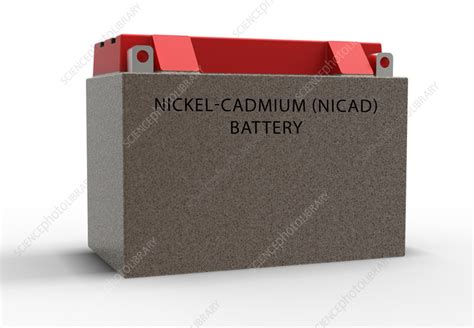
Their rugged design and reliable performance under fluctuating environmental conditions make them ideal for use in engine starting, flight control backup systems, and uninterruptible avionics power sources.
Nonetheless, cadmium’s toxicity, combined with complex charging and memory-effect management, necessitates specialized care and regulatory oversight. Maintenance protocols involve regular capacity checks, electrolyte replenishment, and thermal inspections to prevent failure or hazardous conditions.
Lithium-Ion Batteries: The Vanguard of Electric Aviation
In the race toward greener skies and electric propulsion, lithium-ion (Li-ion) batteries represent a transformative leap. Utilizing lithium cobalt oxide (LiCoO₂) or lithium iron phosphate (LiFePO₄) cathodes and graphite anodes, these cells operate at a nominal 3.7V per cell, offering energy densities from 150–250 Wh/kg—the highest among aviation batteries.
This significant weight-to-energy advantage allows for:
- Extended flight range
- Lower aircraft weight
- Higher power output with minimal footprint
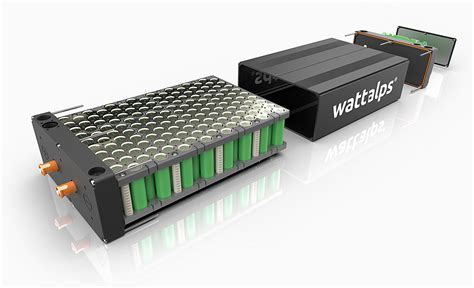
Lithium-ion batteries feature:
- Long lifespan (up to 2,000 cycles)
- High charge efficiency (up to 95%)
- Rapid recharge capability
They are now central to modern aircraft systems such as auxiliary power units (APUs), in-flight entertainment, and cabin power. In advanced configurations, they also enable full-electric flight platforms like those under development by Eviation’s Alice and Rolls-Royce’s electric aviation division.
However, lithium-ion’s downside lies in its instability under thermal stress or physical damage. Failures can escalate into thermal runaway and even fire. Thus, sophisticated Battery Management Systems (BMS) and fire-resistant containment structures are integral to their safe deployment.
Regulatory Oversight: FAA, EASA, and Safety Protocols
Aircraft battery selection and implementation are governed by stringent regulatory standards, notably from the Federal Aviation Administration (FAA) and the European Union Aviation Safety Agency (EASA). Compliance covers aspects such as:
- Charge/discharge cycle validation
- Shock and vibration resistance tests
- Altitude simulation and venting protocols
- Thermal event containment verification

These regulations ensure that batteries perform reliably in the dynamic flight environment, including during emergency scenarios, electrical failures, or environmental extremes. OEMs and MRO teams must align battery specifications with aircraft model certifications and ensure full documentation of installation practices, maintenance schedules, and disposal procedures.
Comparative Overview: Performance Metrics of Aircraft Batteries
To illustrate the relative merits of each battery type, consider the following performance snapshot:
| Battery Type | Energy Density (Wh/kg) | Cycle Life | Temp Range (°C) | Maintenance Level | Cost Tier |
|---|---|---|---|---|---|
| Lead-Acid | 30–50 | 200–300 | -20 to +50 | High | Low |
| Nickel-Cadmium | 40–60 | 1,000–1,500 | -40 to +70 | Medium | Medium |
| Lithium-Ion | 150–250 | 1,500–2,000 | -20 to +60 (typ.) | Low | High |
The decision to adopt a specific type rests on an aircraft’s operational needs, environmental exposure, and technological capabilities. Legacy aircraft continue to favor Ni-Cd and lead-acid for their known behavior and integration simplicity, whereas next-generation aircraft are rapidly embracing lithium-ion as the backbone of futuristic airframes.
Looking Ahead: Battery Evolution and Aircraft Electrification
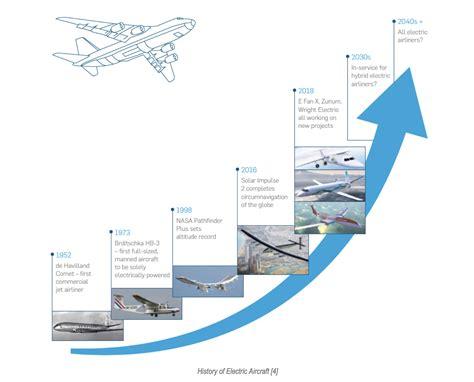
The role of aircraft batteries is evolving from mere support utilities to core propulsion enablers in fully electric and hybrid-electric aircraft. Projects like NASA’s X-57 Maxwell, Ampaire’s Eco Caravan, and ZeroAvia’s hydrogen-electric propulsion systems signal an imminent shift in energy architecture, where battery optimization becomes central to flight economics and sustainability.
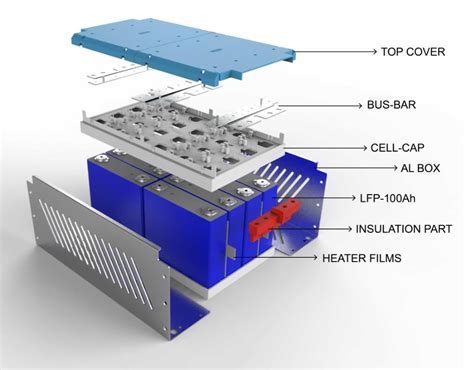
To support this evolution, research into solid-state batteries, ultracapacitors, and multi-chemistry hybrid packs is intensifying. These innovations aim to enhance energy density, eliminate flammability risks, and extend thermal tolerance—traits essential for widespread electrification in aviation.
In summary, aircraft batteries are more than just components; they are lifelines of airborne safety and innovation. The continuous interplay between regulatory compliance, technological advancement, and engineering foresight will define the trajectory of battery systems in aviation for decades to come.