In the complex world of aerodynamics, wingtip vortices and wake turbulence are crucial phenomena that significantly impact aircraft operations, particularly in terms of safety. These vortices, formed by the pressure differential over an aircraft’s wing, can lead to hazardous conditions for following aircraft, especially when they are not properly accounted for. To fully appreciate their significance, we must delve into the science behind these aerodynamic behaviors, their implications for aviation safety, and how advancements in technology are helping mitigate their effects.
The Formation and Nature of Wingtip Vortices
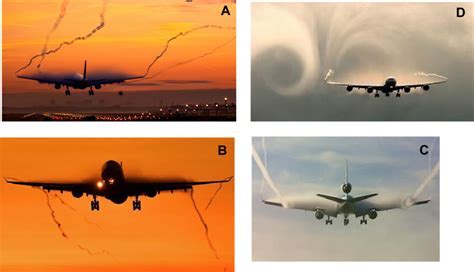
Wingtip vortices are created as a byproduct of the lift generated by an aircraft’s wings. When an aircraft moves through the air, the air pressure beneath the wing is greater than the pressure above the wing. This pressure difference causes air to flow from below the wing to above it, swirling around the wingtip. As the air circulates, it forms a rotating vortex that trails behind the aircraft. Although wingtip vortices are usually invisible, they can become visible in humid conditions, often appearing as contrails. The strength of these vortices depends on several factors, such as the aircraft’s weight, speed, and configuration.
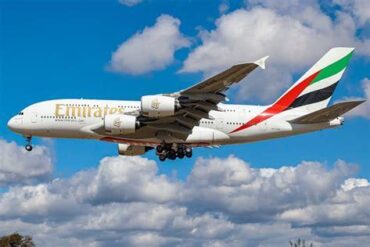
Heavier and slower aircraft, especially those without winglets (clean configurations), produce stronger vortices due to the larger pressure differential they create. The configuration of an aircraft plays a significant role in vortex strength. For example, wide-bodied aircraft generate more intense vortices compared to smaller ones because of their larger wingspans and greater mass. The velocity at which an aircraft travels also impacts vortex strength; slower speeds generally result in more pronounced vortices.
Wake Turbulence: A Dangerous Byproduct
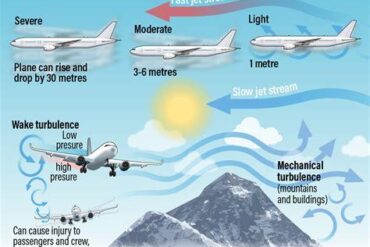
The vortices created at the wingtips of aircraft are an integral part of wake turbulence, which is the term used to describe the turbulent air created by an aircraft’s movement through the atmosphere. This turbulence can present a significant danger, especially to smaller aircraft that fly too closely behind a larger one. Wake turbulence can cause unpredictable roll movements, affecting the stability and control of the following aircraft.
Wake turbulence is not just a minor inconvenience—it can result in structural damage to smaller aircraft if they encounter vortices too close to the source. Pilots of smaller aircraft are often warned to maintain a safe distance from larger aircraft to avoid being caught in these turbulent air currents. The intensity of wake turbulence and the danger it presents can vary based on a number of factors:
- The weight of the aircraft generating the vortices
- The speed at which the aircraft is traveling
- The altitude and environmental conditions at the time, such as wind and humidity
These factors contribute to a dynamic and often unpredictable nature of wake turbulence. Aircraft operators, both in commercial and private aviation, must be aware of these factors when planning their flights and maintaining safe separation from other aircraft.
Impact of Environmental Conditions on Vortex Behavior
The behavior of wingtip vortices can change dramatically depending on the environmental conditions. For instance, calm winds and high humidity can cause vortices to persist for longer periods of time, which increases the risk of encountering wake turbulence. In contrast, windy conditions can help disperse vortices more quickly, reducing the risk they pose to following aircraft.
In low-wind environments, vortices may remain concentrated in the air for extended durations, presenting a potential hazard for aircraft that pass through the same airspace. This is particularly dangerous near airports, where aircraft are often flying in close proximity to one another during takeoff and landing. In such conditions, pilots and air traffic controllers must be especially vigilant in managing separation distances and adjusting flight paths to avoid vortex encounters.
Winglets: A Solution to Mitigate Vortex Strength
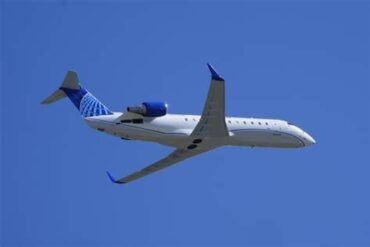
In an effort to reduce the intensity of wingtip vortices, modern aircraft are often equipped with winglets. These devices are extensions at the tips of the wings designed to improve the efficiency of the aircraft by reducing drag. They work by redirecting airflow and minimizing the pressure differential that leads to vortex formation. While winglets help reduce vortex strength, they come with trade-offs. Their addition increases the weight and drag on the aircraft, though the benefits they provide in terms of fuel efficiency and vortex mitigation generally outweigh these downsides.
The installation of winglets has proven to be an effective way of improving both the performance and safety of aircraft, especially for commercial airlines that operate in congested airspace where vortex-related risks are more pronounced. The reduction in vortex strength contributes to a safer operational environment, not only for the aircraft themselves but also for those flying in their vicinity.
The Role of Technology in Managing Wake Turbulence
Advancements in technology have greatly enhanced the ability to predict and manage the effects of wake turbulence. One such system is RECAT, which is a tool developed to improve aircraft separation by more accurately accounting for vortex strength based on specific aircraft characteristics. RECAT (Revised Wake Turbulence Categorization) categorizes aircraft into different groups based on their wake turbulence strength, allowing for more precise separation standards that minimize the risk of turbulence encounters.
The introduction of RECAT and similar systems has helped to optimize flight patterns, ensuring that aircraft are safely distanced from one another based on the actual turbulence they generate. This system not only enhances safety but also improves airspace capacity, enabling more efficient use of available airspace without compromising on safety standards.
Birds and the Aerodynamics of Vortices: A Natural Phenomenon
Interestingly, while wingtip vortices pose a danger to aircraft, they also have beneficial applications in nature. Certain species of birds, particularly those that fly in V-shaped formations, utilize the vortices created by the bird in front of them to enhance their own lift. This natural phenomenon allows the birds to conserve energy during long migratory flights. By flying in the wake of the bird ahead, they effectively reduce the amount of energy needed to stay aloft, a tactic that has inspired studies into bio-inspired aerodynamics for aircraft design.
This observation highlights the dual nature of vortices: while they can be dangerous in the context of aviation safety, they are also an essential part of the natural world, where they are exploited for efficiency and survival.
Conclusion: The Ongoing Challenge of Wake Turbulence Management
In conclusion, wingtip vortices and wake turbulence represent both a challenge and a necessary consideration in modern aviation. While they are an inherent byproduct of flight, their potential dangers—especially to smaller aircraft—require constant attention and technological innovation to mitigate their effects. Through the use of systems like RECAT, advancements in aircraft design such as winglets, and improved air traffic management, the aviation industry continues to make strides toward minimizing the risks associated with wake turbulence.
As our understanding of aerodynamics and vortex behavior deepens, so too does our ability to predict and avoid dangerous encounters. The ongoing development of safety protocols, along with continuous improvements in aircraft and operational technologies, ensures that the risks of wingtip vortices and wake turbulence are kept to a minimum, allowing for safer skies for all.