Turbulence is a common phenomenon that many passengers encounter when flying, but its unpredictable nature can make it a source of anxiety for even seasoned travelers. Though turbulence is often portrayed as something to fear, the reality is far less dramatic. This article delves deep into the causes of turbulence, its implications for flight safety, and the best ways to stay safe when experiencing it. By the end, you’ll have a thorough understanding of what turbulence is, how it’s managed, and the rare but real risks involved.
What Exactly is Turbulence?
Turbulence refers to the irregular movement of air caused by various factors. It can make a flight feel bumpy and cause sudden changes in altitude and direction. The Federal Aviation Administration (FAA) defines clear-air turbulence (CAT) as ‘sudden severe turbulence occurring in cloudless regions that causes violent buffeting of aircraft.’ While this type of turbulence is especially unpredictable and difficult for pilots to detect visually, it is just one form of turbulence that passengers may experience during their journey.
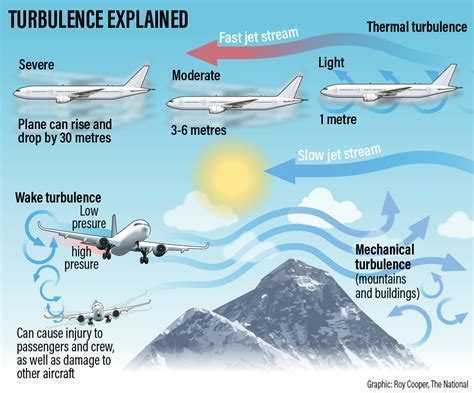
The primary causes of turbulence are classified into three categories: thermal, mechanical, and shear. Thermal turbulence occurs when warm air rises through cooler air, creating irregular air currents. Mechanical turbulence is caused by structures such as mountains or buildings that disrupt the natural flow of air, causing turbulence behind them. Shear turbulence happens when two pockets of air moving at different speeds or directions meet, creating a turbulent effect. All these factors contribute to the up-and-down or side-to-side shaking that passengers often feel during flight.
How Common is Flight Turbulence?
Despite its reputation, turbulence is a normal and frequently occurring part of air travel. In fact, almost all flights experience some form of turbulence, whether mild or severe. In many cases, turbulence is nothing more than a minor inconvenience, akin to bumps on a road. Modern aircraft are engineered to handle these fluctuations with ease, and pilots are well-trained to manage turbulence safely.
Severe turbulence, while unsettling, is rare and typically results in only minor injuries or discomfort for passengers. Aircraft are built to withstand much more severe conditions than the average turbulence encountered on commercial flights. Furthermore, pilots often receive weather reports from radar and other aircraft, which allow them to anticipate turbulence and take precautions, such as adjusting altitude or slowing down the plane.
Is Flight Turbulence Becoming More Frequent?
Recent studies suggest that the frequency of turbulence is on the rise, particularly clear-air turbulence. This phenomenon is largely attributed to global warming. Dr. Paul D. Williams, a professor of atmospheric science, has projected that the frequency of clear-air turbulence will more than double by the middle of the 21st century, particularly over major air routes like New York-London and San Francisco-Tokyo. This increase is primarily due to disruptions in atmospheric layers caused by higher global temperatures, which intensify the jet stream and wind shear.
Can You Be Injured by Turbulence?
While turbulence can be unsettling, it’s important to understand that the likelihood of serious injury is extremely low. According to the FAA, between 2009 and 2023, there were only 184 reported incidents of serious turbulence injuries. Of these, just 37 involved passengers, with the rest being crew members. Considering that 2.9 million passengers fly daily in the U.S. alone, the chances of being injured by turbulence are minimal.
That said, injuries from turbulence often occur when passengers are not wearing their seatbelts. This highlights the importance of staying seated with your seatbelt fastened during your flight, especially when the fasten seatbelt sign is illuminated. Most turbulence-related injuries are preventable by simply adhering to safety instructions and remaining seated during turbulent periods.
What is the Best Way to Stay Safe During Flight Turbulence?
The most effective way to stay safe during turbulence is to wear your seatbelt. Even when the flight appears smooth, it’s crucial to keep your seatbelt fastened. As Steve Landells, a representative from the pilots’ union, explains, pilots often know about impending turbulence from conversations with other aircraft and weather reports. Thus, even if the skies seem calm, turbulence may be on the horizon.
In addition to fastening your seatbelt, passengers should pay attention to flight attendants’ safety instructions and remain seated when advised. Turbulence can occur suddenly, and by following these precautions, passengers can significantly reduce their risk of injury. When traveling with children, ensure that they are secured in approved safety seats or devices, as this is essential for their safety.
Can Turbulence Bring Down an Aircraft?
While the idea of turbulence bringing down an aircraft may sound alarming, it’s extremely unlikely. Turbulence, even in its most severe forms, rarely results in crashes or major accidents. Modern aviation technology and engineering have dramatically reduced the risks associated with turbulence. Aircraft are designed to withstand even extreme conditions, and pilots are equipped with advanced weather forecasting tools that provide accurate predictions of turbulence.
Although there have been a few historical incidents where turbulence contributed to accidents, these events are incredibly rare. For instance, while microbursts—a type of turbulence caused by sudden downdrafts—were responsible for accidents in the past, improvements in weather detection systems and flight techniques have greatly minimized this risk. Similarly, wake turbulence, which occurs when an aircraft’s wake disrupts the air for another plane, affects smaller aircraft more than larger ones.
How Do Pilots Handle Turbulence?
Pilots are well-trained to handle turbulence and have several strategies at their disposal. When anticipating turbulence, pilots may adjust their altitude or flight path to avoid the rough air. They may also reduce the speed of the aircraft, known as “turbulence penetration speed,” which is specifically designed to minimize the impact of turbulence on the plane and passengers. By communicating with air traffic control and receiving reports from other pilots, they can prepare for turbulent zones and keep passengers informed.
Another important factor is the continuous monitoring of weather patterns. Pilots are often in contact with ground-based meteorological stations and radar systems, which help them predict areas of turbulence and plan accordingly. While turbulence is an inevitable part of flying, pilots and airlines are well-prepared to manage its effects safely.
Conclusion: Turbulence is Unsettling, But Not Dangerous
In conclusion, turbulence is a normal and often harmless part of air travel. While it can be uncomfortable or even frightening, it is unlikely to cause any serious harm to passengers or aircraft. Advances in technology and improved weather forecasting have made it easier for pilots to manage turbulence, ensuring a safer and smoother flying experience for everyone on board. The key takeaway is to always wear your seatbelt, listen to the flight crew, and remain calm during periods of turbulence.
By understanding what turbulence is, how it’s caused, and how it’s managed, you can feel more confident and prepared for your next flight. Whether you’re an experienced traveler or a first-time flyer, knowing the facts about turbulence can help you stay safe and reduce your anxiety while in the air.