The journey from Los Angeles International Airport (LAX) to Fiji, a tropical paradise nestled in the heart of the South Pacific, is one that promises both adventure and serenity. For travelers seeking a direct connection to sun-kissed beaches and lush island landscapes, understanding the full scope of flight time and travel dynamics is essential. In this article, we delve deep into every aspect of the flight time from LAX to Fiji, from in-air duration and flight path to crucial pre-departure details and what to expect upon arrival.
Understanding the Nonstop Flight Duration from LAX to Fiji
The nonstop flight time from LAX to Fiji clocks in at an average of 11 hours and 30 minutes. This estimate is based on a typical commercial airliner cruising at an average speed of 500 mph (805 km/h or 434 knots). This timing includes a general allowance of 30 minutes for takeoff and landing procedures, but it does not account for variables such as air traffic congestion, weather conditions, or ground handling delays.
The route spans approximately 5,502 miles (8,854 kilometers) in a straight line, making it a long-haul transpacific flight that requires careful planning, especially for first-time visitors or those unaccustomed to flights exceeding ten hours.
The Great Circle Route: How Planes Travel from LA to Fiji
Airliners use what is known as the Great Circle Route to optimize fuel usage and flight efficiency. While the shortest distance between two points on a globe is a straight line, the curvature of the Earth alters how we perceive that path on flat maps. Therefore, your flight will arc southwestward—approximately 120 degrees from North—taking you over vast expanses of the Pacific Ocean.
This directionality minimizes time and maximizes aerodynamic efficiency, ensuring that passengers enjoy a smoother, faster trip even when traveling such a long distance.
Pre-Flight Considerations: Time on the Ground
Although the in-air time is 11 hours and 30 minutes, the total journey time will be significantly longer once you factor in:
- Security screening and check-in at LAX (expect at least 2–3 hours prior to departure)
- Taxi time from the gate to the runway (typically 15–30 minutes)
- Arrival formalities in Fiji, including immigration and customs clearance (30–60 minutes)
Therefore, we recommend budgeting 15–17 total travel hours from the time you arrive at LAX to the moment you step outside the arrivals terminal in Fiji.
Best Airlines for Direct Flights from LAX to Fiji
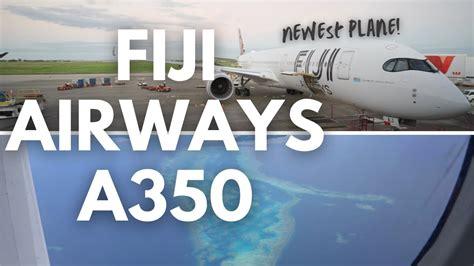
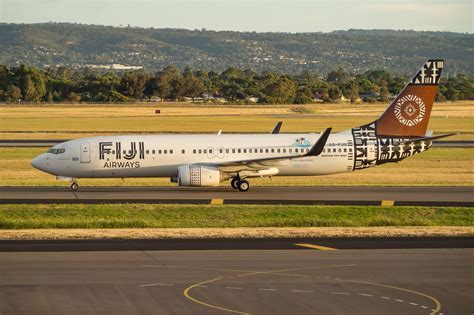
Several major carriers provide direct or one-stop service between Los Angeles and Nadi, Fiji’s primary international gateway. Fiji Airways is the most prominent airline offering nonstop service between the two destinations, with multiple flights per week. The airline utilizes Airbus A330 or A350 aircraft, offering a comfortable wide-body experience with options ranging from economy class to lie-flat business seating.
Other airlines that may offer one-stop services include:
- Qantas Airways (via Sydney or Brisbane)
- Air New Zealand (via Auckland)
- American Airlines (codeshare with Fiji Airways)
While one-stop routes may add 5–8 hours to total travel time, they sometimes offer more flexible pricing or loyalty program benefits.
Jet Lag and Time Zone Differences
One critical consideration for transpacific travelers is the significant time zone difference between California and Fiji. Fiji operates on Fiji Time (FJT), UTC +12, and observes daylight saving as Fiji Summer Time (FJST), UTC +13.
During much of the year, this puts Fiji 19 to 20 hours ahead of Los Angeles. In practical terms, a flight departing LAX at 10:00 PM on a Tuesday will land in Nadi around 5:30 AM two calendar days later, on Thursday morning, due to the International Date Line crossing.
This large time shift can cause jet lag, especially on the outbound leg. Travelers are encouraged to adjust sleep schedules before departure, stay hydrated, and rest onboard when possible.
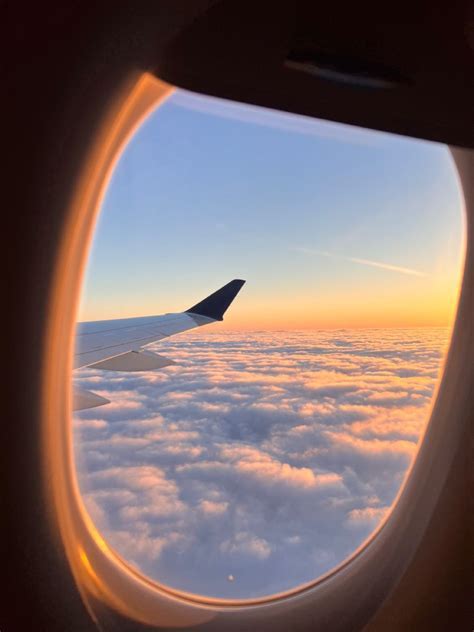
Arrival in Fiji: What to Expect
The primary arrival point in Fiji is Nadi International Airport (NAN), located on the western coast of Fiji’s main island, Viti Levu. Nadi is a well-equipped airport that serves as the main hub for international visitors.
Upon landing, travelers will pass through immigration and customs. Depending on the time of day and number of concurrent arrivals, this process can take 30–60 minutes. Fiji maintains strict biosecurity regulations, so be mindful of food, plant, or animal products in your luggage.
Transportation options from the airport include hotel shuttles, taxis, and domestic flights to other islands. Many resorts offer private transfer services, especially to the nearby Coral Coast or Mamanuca Islands.
In-Flight Experience on the Route
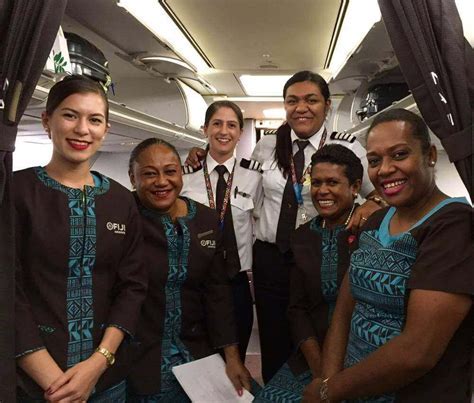
Long-haul flights to Fiji are designed for comfort and relaxation. Onboard amenities typically include:
- In-seat entertainment systems with movies, music, and games
- Meal service, including local Fijian dishes and international cuisine
- Complimentary beverages, including wine and spirits in most classes
- Amenity kits with eye masks, socks, and earplugs in premium cabins
Business class passengers enjoy fully flat beds, priority boarding, and lounge access, while economy passengers benefit from ergonomic seating and personal entertainment screens.
Ideal Time to Fly: Weather and Seasonality
Fiji enjoys a tropical marine climate with a warm, humid season from November to April and a cooler, drier season from May to October. The most popular times to visit are during the dry months, especially June through September, when rainfall is minimal, and temperatures hover around 26°C (79°F).
However, these months also coincide with higher fares and fuller flights. Booking 3–6 months in advance for these peak seasons is advisable. Shoulder seasons (April-May and October-November) offer a nice balance of pleasant weather and lower prices.
LAX Departure Tips: Streamlining Your Departure
Departing from Los Angeles International Airport (LAX) can be a hectic experience. It ranks among the world’s busiest airports, so proactive planning is key.
Here are a few tips to optimize your departure experience:
- Arrive at least 3 hours before international departure
- Use mobile check-in and have boarding passes ready
- Take advantage of TSA PreCheck or Global Entry if eligible
- Pack light or consider checked baggage drop-off kiosks for faster movement
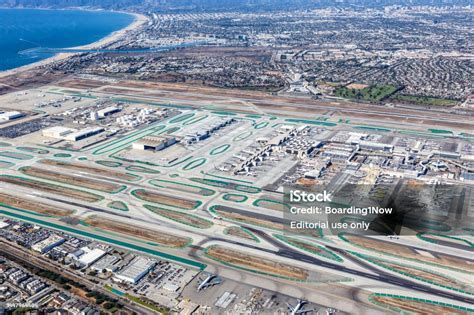
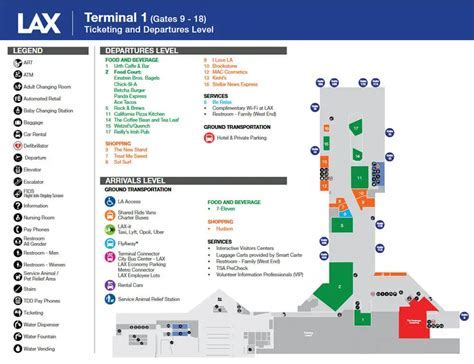
Terminal assignments can vary, but Fiji Airways usually departs from Tom Bradley International Terminal (TBIT), renowned for its upscale shops, lounges, and dining options.
Summary: Key Takeaways for LAX to Fiji Flights
To summarize, here are the essential facts and insights about flying from Los Angeles to Fiji:
- Nonstop flight duration: 11 hours, 30 minutes
- Distance: 5,502 miles / 8,854 km
- Flight direction: Southwest, ~120° from North
- Main airline: Fiji Airways (nonstop service)
- Arrival airport: Nadi International Airport (NAN)
- Time zone shift: +19 to +20 hours ahead of Los Angeles
- Recommended pre-flight arrival at LAX: 3 hours
- Popular travel season: May to October (dry season)
A trip from Los Angeles to Fiji is more than just a long flight—it’s a journey into a region filled with unparalleled natural beauty, rich cultural heritage, and world-renowned hospitality. Proper planning, including understanding your flight duration, helps ensure a seamless, enjoyable travel experience from takeoff to touchdown.