Flying from Boston Logan International Airport (BOS) to Los Angeles International Airport (LAX) is a journey that bridges the East and West coasts of the United States. Whether you’re a frequent business traveler, a vacationer heading to sunny California, or visiting family and friends, understanding the nuances of this transcontinental flight can help you plan effectively and make your trip as efficient and comfortable as possible.
Flight Duration from BOS to LAX
The average in-air flight time from BOS to LAX is 5 hours and 46 minutes, based on data collected from commercial airline operations over the past year. This includes the period from wheels up in Boston to wheels down in Los Angeles. However, the experience of flying doesn’t end there.
When accounting for time spent taxiing on the runway at both departure and arrival airports, the gate-to-gate duration extends to an average of 6 hours and 14 minutes. For those estimating purely based on aircraft speed without accounting for delays or taxi time, a constant cruise speed of 500 mph (805 km/h or 434 knots) would theoretically complete the trip in 5 hours and 13 minutes.
Understanding Flight Direction and Distance
The straight-line distance, or “as-the-crow-flies” measurement, from BOS to LAX is approximately 2,611 miles (4,202 kilometers). The flight path takes you in a general westward direction, approximately 87 degrees from North, spanning across multiple states, terrains, and time zones.
Because this route stretches across nearly the full width of the United States, it is categorized as a transcontinental flight, which often subjects it to a variety of weather conditions and air traffic patterns that can affect scheduling.
Impact of Jet Streams and Return Flights
When flying from east to west, as is the case from BOS to LAX, flights are generally longer due to headwinds and the resistance posed by jet streams. On the return leg, from LAX to BOS, flights average 4 hours and 59 minutes, a significant reduction in flight time thanks to tailwinds that assist aircraft in the west-to-east direction.
This difference is essential for planning your travel itinerary, especially for business trips or tight schedules. Keep in mind that flight times published by airlines generally reflect these variations, and booking systems take into account typical wind speeds and patterns for optimal scheduling.
Airport Information: BOS and LAX
Boston Logan International Airport (BOS)
- IATA Code: BOS
- ICAO: KBOS
- FAA: BOS
- City: Boston
- State: Massachusetts
- Zip Code: 02128
- Country: United States
Located just a few miles from downtown Boston, Logan Airport is one of the busiest airports in the Northeast. It offers robust connections to domestic and international destinations and serves as a hub for major carriers such as JetBlue and Delta.
Los Angeles International Airport (LAX)
- IATA Code: LAX
- ICAO: KLAX
- FAA: LAX
- City: Los Angeles
- State: California
- Zip Code: 90009
- Country: United States
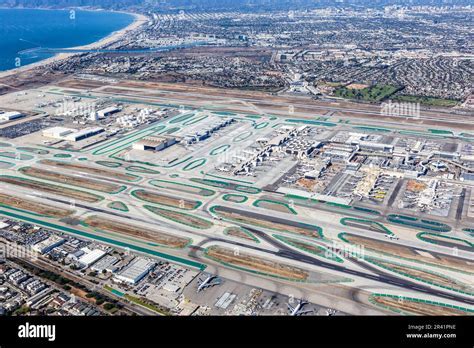
LAX is the primary airport for Southern California and among the busiest in the world. Located in the Westchester neighborhood of LA, it serves as a major hub for American, United, and Alaska Airlines and connects travelers to destinations across the globe.
Gate-to-Gate vs. In-Air Flight Time
One common source of confusion among travelers is the difference between gate-to-gate time and in-air flight time:
- In-Air Time (5h 46m): This refers to the time between takeoff and landing, essentially the moment the aircraft leaves the runway in Boston to when it touches down in Los Angeles.
- Gate-to-Gate Time (6h 14m): This includes all pre-flight and post-landing activities such as boarding, taxiing on the runway, and reaching the final gate.
Understanding this difference is crucial, particularly when planning connecting flights or calculating total travel time.
Speed and Efficiency of Commercial Flights
The typical cruise speed for a commercial airliner is 500 mph, which provides a reliable estimate for flight time under optimal conditions. This does not account for takeoff or landing maneuvers, each of which adds approximately 15 minutes on average to the overall journey. Therefore, 30 minutes of your journey will typically be spent climbing to and descending from cruising altitude.
Such technical metrics are not only of interest to aviation enthusiasts but also serve a practical role in flight planning, especially when calculating fuel consumption, crew schedules, and aircraft maintenance intervals.
Planning for Delays and Other Variables
While flight duration provides a baseline for planning, real-world conditions often introduce delays and fluctuations. Common factors include:
- Weather disruptions (thunderstorms, snowstorms, fog)
- Air traffic congestion around major hubs like LAX
- Mechanical checks or aircraft changes
- Runway availability and taxi congestion
It is advisable to arrive at the airport 2 to 3 hours prior to departure, especially at larger airports like BOS, where security lines can be unpredictable. Similarly, when arriving at LAX, allow ample time to reach your final destination within the city, as Los Angeles traffic is notoriously heavy.
Time Zone Differences Between BOS and LAX
Boston operates on Eastern Time (ET) while Los Angeles follows Pacific Time (PT). There is a 3-hour time difference, which is important for coordinating activities upon arrival. For instance, a 10:00 AM departure from Boston would result in a local arrival time around 1:14 PM PT, factoring in the average gate-to-gate time of 6 hours and 14 minutes.
This time shift can significantly affect your internal body clock, especially for short trips, and travelers should plan accordingly to adjust for jet lag or fatigue.
Booking Flights and Scheduling Tips
When booking flights from BOS to LAX, consider the following best practices:
- Early morning flights typically experience fewer delays.
- Red-eye options are available and often more affordable.
- Mid-week flights (Tuesdays and Wednesdays) tend to be less crowded and cheaper.
- Monitor airlines for seasonal promotions or reward point deals.
Given the long haul nature of the flight, consider upgrading to premium economy or business class if budget permits. Extra legroom and better service can make a significant difference on a six-hour flight.
Exploring Alternative Travel Options
Although flying remains the fastest and most practical method for cross-country travel, some may consider:
- Train journeys, such as Amtrak’s cross-country routes, which can take 3–4 days.
- Driving, which spans roughly 3,000 miles and takes about 45–50 hours of continuous travel, excluding stops.
- Connecting flights, sometimes used to save money by stopping in cities like Chicago or Dallas.
Each method has its trade-offs in terms of cost, time, and comfort. However, for most travelers, direct flights remain the most efficient option.
Final Thoughts
The flight from BOS to LAX is more than just a transcontinental jump—it’s a transition across regions, time zones, and cultures. From Boston’s historic East Coast charm to Los Angeles’ sprawling urban vibrancy, the journey encapsulates the diversity of the American experience. With the average in-air time clocking in at 5 hours and 46 minutes, and a gate-to-gate span of 6 hours and 14 minutes, travelers should plan with precision.
Account for potential delays, understand your arrival time in relation to time zone changes, and make the most of modern airline amenities. Whether you’re headed to LA for business, leisure, or new beginnings, being well-informed is the first step to a seamless flight experience.