A recent incident at Kalamata International Airport in Greece involving a Ryanair flight from the United Kingdom has sent shockwaves through the aviation industry, igniting urgent calls for enhanced safety protocols across European airports. The event, which occurred on June 18, 2025, highlights significant concerns regarding aging infrastructure, inadequate ground crew protocols, and the challenges posed by rising traffic during the busy summer season.
On that fateful morning, Ryanair Flight FR6080, which departed from London Stansted Airport, experienced turbulence during its descent into Greek airspace. Fortunately, the aircraft—a Boeing 737—landed without any immediate issues. However, the situation rapidly escalated during the taxiing phase, as the aircraft reportedly veered off course and struck a red-and-white barrier near the edge of the taxiway.
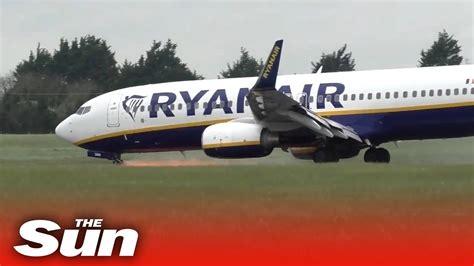
The collision resulted in severe damage to the aircraft’s wing, exposing structural components and raising serious questions about passenger safety procedures. Ground crews and emergency services responded promptly, arriving within minutes of the impact. Despite the visible damage and potential fire risk, airline staff instructed passengers to remain seated on the aircraft while emergency teams assessed the situation. This decision has sparked widespread concern and criticism, as it seemingly contradicts established safety protocols for such emergencies.
Images captured at the scene depict the extent of the damage, with the wing appearing torn and exposed. Smoke was reported near the damaged area, but fortunately, no fire erupted, and there were no injuries among the passengers or crew. The aircraft remained stationary on the tarmac while safety teams conducted initial inspections, and airport personnel coordinated the eventual disembarkation of passengers once the aircraft was safely positioned at its designated gate.
Following the incident, Ryanair confirmed that the aircraft made contact with the barrier while taxiing but maintained that all procedures were adhered to. The airline insisted that the plane taxied to its stand without assistance and that the passengers exited the aircraft following standard protocol. Nevertheless, the incident has prompted internal reviews and regulatory investigations to ascertain the factors leading to the collision.
Investigators are delving into various aspects of the incident, including air traffic control communications, taxiing instructions, ground layout configurations, and the potential influence of human factors or mechanical issues. Initial findings indicate that while the aircraft followed standard procedures after landing, its alignment on the taxiway may have deviated slightly, suggesting gaps in ground navigation systems and risk management.
The Greek Civil Aviation Authority has acknowledged the incident and is conducting a full investigation. Authorities have temporarily restricted access to the damaged section of the taxiway for safety inspections and repairs. In the meantime, Ryanair is working closely with its operations team to ensure minimal disruption to flight schedules, rescheduling services involving the affected aircraft as necessary.
The Boeing 737, a workhorse of Ryanair’s fleet, is typically known for its reliability. Following the incident, maintenance teams from both Boeing and Ryanair conducted thorough inspections of the aircraft. Engineers confirmed that all necessary repairs were completed before the aircraft was cleared for return to service. This incident underscores the broader challenges faced by airlines in Europe, particularly during peak travel periods when operational demands surge.
Ground collisions, though rare, can lead to critical safety questions regarding airport infrastructure, aircraft maneuverability, and emergency handling protocols. The decision to keep passengers onboard a visibly damaged aircraft, especially given the fire risk, is likely to be scrutinized as part of the ongoing investigation. Ryanair has reiterated its commitment to passenger safety and adherence to aviation regulations, emphasizing that the aircraft was brought to its designated stand safely and that no injuries occurred.
As investigations continue, both Greek aviation authorities and Ryanair are expected to review internal protocols to mitigate the risk of similar incidents in the future. Recommendations from the final report may focus on enhancing ground navigation tools, improving visual cues for pilots, and refining emergency response coordination.
Passengers aboard Flight FR6080 ultimately resumed their travel plans without further incident, and normal airport operations at Kalamata International Airport resumed later that day, albeit with slight delays. This event serves as a stark reminder of the complexities inherent in aviation safety, particularly during ground operations where seamless coordination among pilots, air traffic control, and airport staff is paramount. While this particular incident concluded without casualties, it emphasizes the need for ongoing vigilance and adherence to best practices throughout all phases of flight—from takeoff to taxiing.
In conclusion, the Greece airport crash involving the Ryanair flight has triggered an urgent re-evaluation of aviation safety standards across Europe. As the industry continues to recover from pandemic-related disruptions, ensuring the highest safety standards remains a central priority for operators, regulators, and passengers alike. The complexities of air travel necessitate continuous improvement in safety measures to protect those who rely on these vital transportation networks.