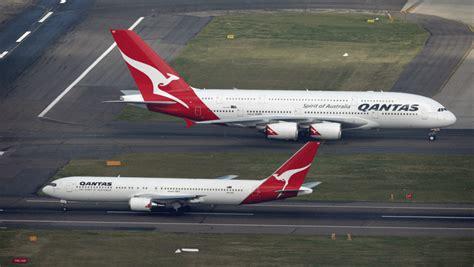
On June 30, 2025, Qantas Airways, Australia’s flag carrier, faced one of the most serious data breaches in the nation’s aviation history, resulting in the compromise of personal data from nearly 5.7 million customers. This massive cyberattack, which exploited vulnerabilities in a third-party call center platform, has become a pivotal moment in the airline industry’s cybersecurity narrative, raising urgent questions about data privacy, outsourcing risks, and the future of digital safety in travel.
The breach, confirmed publicly in early July, targeted an outsourced customer service system used by Qantas. The attacker gained unauthorized access to sensitive customer data, including full names, dates of birth, residential addresses, phone numbers, and email addresses. While the airline insists no flight operations were impacted and no direct misuse of the stolen data has yet been reported, the sheer scale and nature of the breach have sent shockwaves across both the aviation and cybersecurity sectors.

The Anatomy of the Breach: Third-Party Vulnerabilities Exploited
The cyberattack was executed through a third-party platform used by a Qantas-affiliated call center. These platforms, often cloud-based and shared among multiple clients, represent a common point of failure due to their broad access to personal and operational data. In this case, the attacker exploited the insufficiently secured backend of the platform, gaining access to databases containing information on millions of past and present Qantas customers.
A particularly alarming detail lies in the granularity of the data exposed. Over 1 million customers had highly sensitive records breached—complete with contact details and birthdays—while another 4 million had at least their names and email addresses compromised. This not only raises the specter of phishing attacks but also identity theft, as these elements can easily be used to impersonate customers in other systems.
Despite Qantas’s reassurance that the data hasn’t yet been leaked onto public forums or dark web marketplaces, experts note that even a delay in malicious use doesn’t negate the risk—cybercriminals often hold data for months before exploiting it.
Qantas Responds: Damage Control and Public Accountability
In the days following the breach, Qantas Group CEO Vanessa Hudson issued a public statement acknowledging the severity of the attack. She emphasized the airline’s immediate actions, including rolling out new cybersecurity measures, initiating a full-scale investigation, and working with both government cybersecurity agencies and external consultants to audit existing systems.
“We are deeply concerned about this breach and are fully committed to safeguarding our customers’ data,” Hudson stated. “We have already implemented additional cybersecurity measures to protect against further incidents and are continuously reviewing the situation.”
Affected customers were contacted directly and advised to change passwords, monitor financial accounts, and remain vigilant for suspicious communications. The airline also published an online resource hub with practical steps for self-protection and identity monitoring.

A Breach That Reflects a Global Weakness in Airline Security
The Qantas cyberattack is not an isolated event. Airlines around the world have become increasingly attractive targets for sophisticated cybercriminals due to the massive volume of personal, biometric, and financial data they collect. Airlines also often rely on external vendors, including reservation systems, call centers, and baggage services, to streamline operations—each link a potential vulnerability.
Globally, the airline industry has experienced a 52% rise in cyberattacks over the past five years, with many targeting third-party systems that lack consistent oversight. The Qantas incident illustrates how even a globally respected carrier, with ostensibly strong internal systems, can fall victim to external weaknesses.
Cybersecurity experts have long warned about the over-reliance on outsourced platforms that do not follow the same stringent protocols as internal enterprise systems. In many cases, these platforms are shared across industries and clients, and therefore represent high-value targets for attackers seeking maximum exposure.
The Bigger Risk: Trust in the Travel Ecosystem
While the technical specifics of the Qantas breach are concerning, the larger issue at play is trust. Trust is the lifeblood of travel. Customers share intimate details with airlines, from passport numbers to credit cards, all under the assumption of security. When that trust is violated—even inadvertently—the fallout extends beyond technical fixes. It triggers a crisis of confidence.
The damage from such breaches can include:
- Brand deterioration and negative public sentiment
- Legal liabilities under national and international data protection laws (such as Australia’s Privacy Act and potential GDPR overlaps)
- Operational disruption if confidence in booking platforms drops
Qantas must now rebuild not just systems, but customer assurance. And the aviation industry at large must confront the urgency of embedding cybersecurity as a pillar of core operations, not a peripheral IT concern.
Inside Qantas’s Remediation Strategy
According to sources close to the airline, Qantas has launched a tiered recovery plan, consisting of:
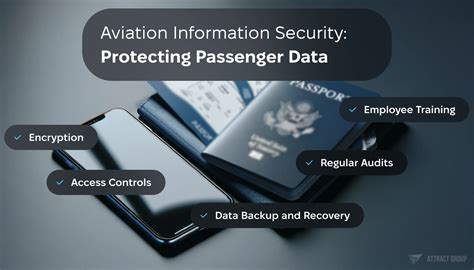
- A comprehensive security audit of all third-party vendors
- Transitioning to end-to-end encryption across customer data streams
- Launching a cybersecurity task force reporting directly to executive leadership
- Partnering with government regulators to ensure compliance and accountability
The airline has also enlisted independent digital forensics teams to examine any lingering traces of compromise and to validate claims that data has not been disseminated maliciously.

A Call to Action for Global Aviation
The lessons from the Qantas attack ripple far beyond Australia. They speak to the global nature of cyber risk in aviation, and how data protection must evolve alongside digital transformation. Airlines today are not just transportation providers—they are digital service platforms, often storing more data than banks, yet historically less protected.
The International Air Transport Association (IATA) has warned repeatedly that the digital infrastructure of airlines needs to catch up with the pace of customer digitization. The growing adoption of AI-powered customer interfaces, cloud ticketing, and biometric boarding only increases the surface area for attacks.
It is no longer sufficient to rely on one-off audits or annual system reviews. Airlines must:
- Continuously train staff across departments on phishing and cyber hygiene
- Maintain redundant security protocols for customer data
- Conduct penetration testing across third-party apps and tools
- Push for industry-wide standards in third-party data governance
Looking Ahead: What This Means for Travelers
For travelers, the breach is a sobering reminder to take an active role in managing their digital identities. Frequent flyers should consider the following steps:
- Use unique, strong passwords for airline and travel accounts
- Enable multi-factor authentication (MFA) wherever available
- Avoid sharing personal details over unsecured or public networks
- Regularly check credit reports and financial activity
Trusting airlines with data is unavoidable in today’s interconnected travel environment—but blind trust is no longer tenable. The Qantas breach shows that even top-tier carriers are vulnerable, and vigilance must be shared by both companies and consumers.
Final Thoughts: Cybersecurity as the New Frontier of Airline Safety
The June 2025 Qantas Airways cyberattack will likely be remembered as a watershed moment in aviation cybersecurity. While Qantas’s swift response, transparency, and engagement with affected customers have been praised, the breach underlines a critical vulnerability that runs deep in the airline sector’s operational model.
As air travel continues to evolve into a tech-centric, data-driven ecosystem, safeguarding customer data is no longer optional—it is central to service integrity. From biometric boarding to AI chatbots, every innovation must be accompanied by an equally strong cybersecurity commitment.
For Qantas, the road to recovery involves more than just patching systems. It’s about redefining its relationship with digital infrastructure and restoring the faith of millions who trust it with more than just their travel—it’s their identities.