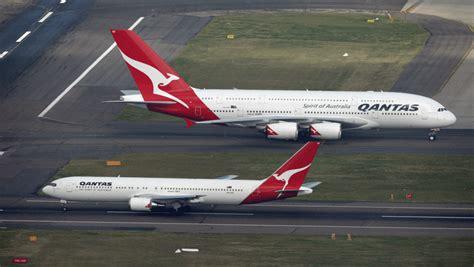
In a chilling blow to the aviation industry’s already strained cybersecurity resilience, Qantas Airways has confirmed that a massive data breach has compromised the personal information of approximately 6 million customers. The breach, officially acknowledged on July 2, 2025, originated from a third-party platform, and while financial data and passport numbers remain secure, the incident has cast a glaring spotlight on how vulnerable airline infrastructures remain to sophisticated cyber threats.
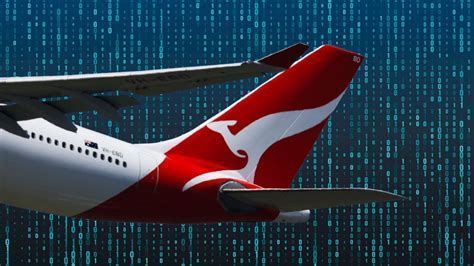
The Breach Unfolded: What Qantas Lost to the Hackers
According to Qantas’ public statement, the cyberattack was first detected after “unusual activity” was observed within a partner platform. The hackers, later identified by intelligence sources as the cybercriminal group Scattered Spider, gained unauthorized access to a system storing highly sensitive customer data. The stolen data includes:
- Full names
- Dates of birth
- Email addresses
- Mobile phone numbers
- Qantas Frequent Flyer membership numbers
Although the airline emphasized that no credit card information, financial data, or passport details were breached, experts warn that this level of exposure can facilitate targeted phishing, identity theft, and account hijacking.
“While the absence of financial information limits the scope of direct monetary theft, the breach is far from harmless,” cybersecurity analyst Julian Marks stated. “The aggregation of identity-related information is a goldmine for social engineering and fraudulent activity.”
Vanessa Hudson Responds: Apology, Accountability, and Crisis Control
In a public apology issued from Qantas headquarters, CEO Vanessa Hudson expressed deep regret over the breach, promising both transparency and remediation. “Our customers trust us with their personal information, and we take that responsibility seriously,” she said. Qantas has notified all relevant authorities, including the Australian Cyber Security Centre (ACSC), the Office of the Australian Information Commissioner (OAIC), and the police cyber division.
To assist affected users, Qantas has begun direct outreach to impacted accounts, offering support and guidelines for safeguarding personal information.

Scattered Spider: The Cybercrime Group Behind the Breach
The FBI’s cyber unit has attributed the Qantas breach to Scattered Spider, a decentralized hacking collective notorious for infiltrating large corporations via social engineering tactics. Their modus operandi involves impersonating IT staff or third-party vendors, gaining initial access through deception, and then deploying ransomware or data exfiltration tools.
What makes Scattered Spider particularly dangerous is its adaptability and persistence. This group has already attacked multiple organizations across industries, but its growing interest in the aviation sector suggests a broader trend that has regulators and cybersecurity experts increasingly alarmed.
“Airlines are high-value targets,” said Simone Khan, Director of Aviation Security Research at the University of Sydney. “They collect massive amounts of personal data and often rely on outdated systems across various global locations — a perfect storm for breaches.”
Damage Control: Qantas’ Cybersecurity Overhaul Begins
Qantas moved quickly to contain the breach and harden its digital defenses. Emergency consultations with global cybersecurity firms led to a multi-pronged strategy:
- Strengthening system firewalls
- Implementing advanced intrusion detection
- Conducting internal audits across all digital vendors
- Re-evaluating third-party platform access protocols
While these responses were swift, analysts caution that reactive measures cannot replace a comprehensive, proactive cybersecurity policy. With multiple vulnerabilities still likely unaccounted for, ongoing risk remains.
What the Breach Means for You: Risks to Travelers and Frequent Flyers
For customers, particularly members of the Qantas Frequent Flyer program, the breach presents immediate and long-term threats. The theft of membership numbers can allow hackers to drain reward points, redeem benefits fraudulently, or gain deeper access to user profiles.
Moreover, compromised phone numbers and emails are often the first step in highly personalized phishing campaigns. Affected individuals are being urged to:
- Reset passwords associated with Qantas accounts
- Monitor frequent flyer balances and account activities closely
- Avoid clicking on suspicious links, even if they appear to come from Qantas
- Enable two-factor authentication where possible

“The fallout from a breach like this isn’t always immediate,” explained cybersecurity consultant Mei Tan. “Victims may be targeted months later in an unrelated scam. The best defense is vigilance.”
A Tarnished Brand: The Breach Compounds Qantas’ Reputation Problems
Qantas was already in a reputational downturn before the breach. During the COVID-19 pandemic, the airline faced public fury for selling tickets for flights that were later canceled, often without timely refunds. The backlash intensified when Qantas opposed Qatar Airways’ expansion bid, which critics said limited international flight options for Australian travelers.
In the 2024 Skytrax World Airline Awards, Qantas tumbled from 17th to 24th place, its worst ranking in over a decade. While its 2025 ranking has improved slightly, the trust deficit persists.
Hudson, who replaced Alan Joyce in 2023, has struggled to repair consumer confidence. The breach now threatens to undo months of progress.
“Reputation takes years to build and seconds to destroy,” noted PR strategist Lucas Rowe. “Qantas’ response in the coming weeks will determine whether it rebounds or continues to hemorrhage customer loyalty.”
Cybersecurity in Aviation: A Rising Tide of Threats
The Qantas breach is part of a larger pattern in the aviation sector. Airlines increasingly face cyber threats not just from criminal syndicates but also from state-sponsored actors, activist groups, and rogue insiders. Industry experts cite several contributing factors:
- Legacy IT systems patched over decades
- Complex interconnections with third-party vendors
- Global operations with inconsistent security policies
- High-value data spanning millions of passengers
According to a 2025 report by the International Air Transport Association (IATA), airline cyberattacks have tripled in the last 24 months, with passenger data breaches being the most common.
Regulatory Backlash and Future Accountability Measures
Australian regulators have already signaled heightened scrutiny. The OAIC is expected to launch a formal investigation to determine if Qantas violated privacy principles or failed to implement adequate data safeguards.
Experts expect a wave of regulatory tightening across the industry, possibly including:
- Mandatory breach disclosure windows
- Security certifications for third-party vendors
- Real-time threat reporting requirements
- Penalties tied to the volume of data compromised
If negligence is established, Qantas could face multi-million dollar fines and be required to implement independent audits under government oversight.
Lessons for the Global Airline Industry
The Qantas incident offers a stark wake-up call for the global aviation community. Airlines can no longer treat cybersecurity as a secondary concern. With cyberattacks becoming more precise and profit-driven, the industry must prioritize digital infrastructure on par with safety protocols.
From encrypting customer data to training employees on threat detection, cybersecurity must be embedded into the DNA of airline operations.
“We’ve built an industry that knows how to keep planes in the sky but not necessarily how to protect the data of the people flying in them,” said Dr. Nina Patel, Aviation Technology Lecturer at Monash University.
What’s Next: Keeping Passengers Informed and Protected
Qantas has committed to ongoing updates, promising transparency as the investigation unfolds. The airline also plans to launch a customer security hub, which will offer:
- Notifications about account activity
- Resources on identity protection
- Tools to report suspected fraud
Travelers should consider this breach not as a one-off but as a preview of the digital vulnerabilities inherent in global travel. By staying informed and proactive, customers can navigate future threats with greater resilience.
As Qantas grapples with internal damage control and public accountability, the wider aviation ecosystem must confront its cybersecurity blind spots. In an era where personal data is as valuable as fuel, safeguarding it must no longer be optional — it’s the price of trust in the modern age of travel.