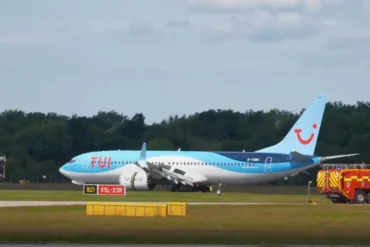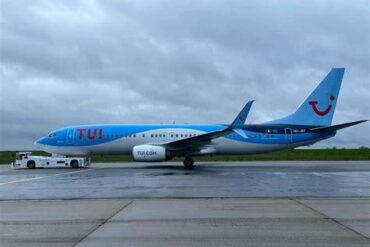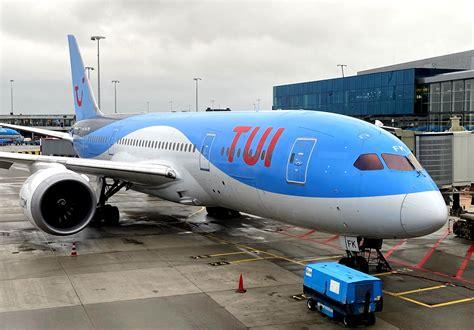
A midair altercation aboard a TUI Airways Boeing 787 Dreamliner spiraled into a full-blown international incident on July 8, 2025, when flight BY49, en route from Cancun, Mexico to London Gatwick, was forced to make an emergency landing in Bangor, Maine. The diversion, caused by the unruly behavior of two intoxicated British passengers, laid bare a cascade of aviation vulnerabilities—from inflight alcohol service protocols to visa constraints for stranded passengers, crew fatigue rules, and airport contingency planning.
The flight, meant to ferry vacationers home from the Mexican resort city, became a nightmarish odyssey for over 300 passengers who spent nearly two days stranded far from home. What began as a minor onboard disagreement quickly escalated into a physical confrontation, prompting the cockpit crew to act decisively for the safety of all onboard.
In-Flight Mayhem Forces Transatlantic Diversion
At approximately 40,000 feet over North America, flight BY49 was cruising uneventfully when a visibly drunk couple began causing disruptions. According to multiple passenger accounts, the couple had been drinking heavily even before departure. Despite warnings from cabin crew, their behavior intensified mid-flight, culminating in a physical altercation that threatened the safety and comfort of nearby passengers.
Realizing the risk posed to the aircraft and its occupants, the captain declared an emergency and rerouted the flight to Bangor International Airport in Maine—a key diversion airport for transatlantic flights due to its geographic location.
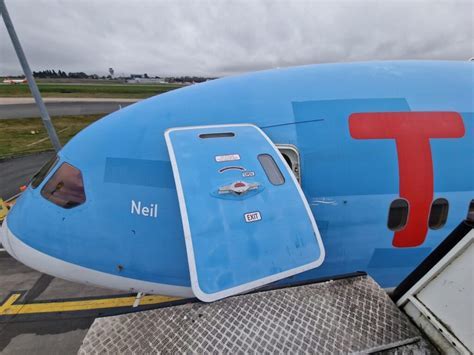
Bangor: Unexpected Safe Harbor Turned Holding Cell
Once on the ground, the gravity of the situation deepened. Most passengers did not possess U.S. entry visas or ESTA approvals, meaning they were unable to clear customs and leave the airport. As a result, Bangor Airport became an improvised holding facility.
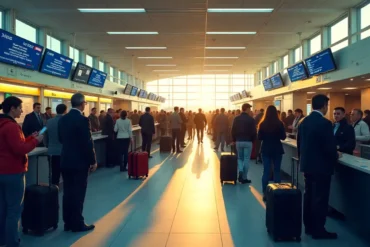
Authorities converted a transit lounge into a makeshift dormitory. Cots were lined up under bright fluorescent lighting. Families huddled together for warmth, and the atmosphere teetered between disbelief and anxiety. Children were irritable, elderly passengers exhausted, and the general mood was one of frustration and helplessness.
The passengers were not allowed to leave, nor were there sufficient amenities for such an extended stay. Food and water became limited, and access to basic hygiene facilities was constrained. All of this unfolded amid growing confusion about when—or even whether—the journey to London would resume.
Flight Crew Duty Limitations Complicate Recovery
One key reason for the protracted delay was European Union flight time limitation regulations (FTLs). These rules ensure crew members do not operate beyond legally defined working hours to prevent fatigue, which is a well-documented risk factor in aviation incidents.
Having already logged extensive duty hours, the original crew aboard flight BY49 was legally barred from continuing to London. TUI was forced to fly in a replacement crew from London, adding further delays. Due to time zone differences, crew rest requirements, and transatlantic logistics, passengers remained grounded for over 30 hours.
When the flight eventually resumed, it touched down at London Gatwick at 1:20 a.m. on July 10, nearly two days behind schedule.
TUI’s Troubled History with Inflight Alcohol Incidents
This isn’t the first time TUI has faced scrutiny for alcohol-related disruptions. In fact, this incident closely mirrors a prior episode from January 2023, when another Cancun-to-Gatwick flight had to divert to Bangor after two intoxicated passengers assaulted a flight attendant. Those individuals were later incarcerated and fined.
Even within the UK, TUI has previously been criticized. In September 2024, a judge openly condemned the airline for boarding two intoxicated passengers on a flight to Fuerteventura. That plane never even took off—it returned to the gate, triggering widespread frustration among other travelers.
In this latest case, eyewitnesses report that the flight crew continued to serve alcohol to the disruptive couple even after their level of intoxication became visibly evident. That decision has sparked public backlash, with many questioning why stricter controls aren’t enforced.
A Flashpoint for Aviation Policy Reform
The incident has quickly grown beyond TUI’s brand reputation to become a flashpoint for larger aviation policy debates. Questions now swirl around:
- The need for stricter inflight alcohol sales policies
- Improved crew training for handling intoxicated passengers
- Stronger enforcement of boarding protocols
- Better airport readiness for emergency diversions
Bangor Airport, though familiar with unscheduled landings, is not equipped to host hundreds of foreign passengers overnight. The situation revealed a critical gap in infrastructure and immigration policy coordination.
Passenger Frustration Reaches Boiling Point
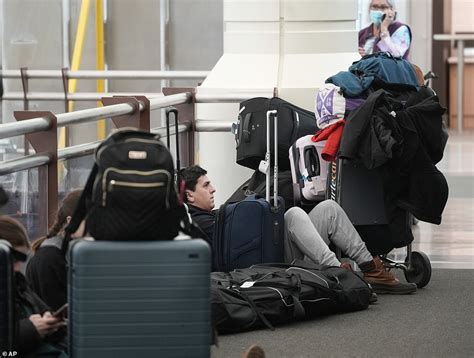
TUI attempted to placate affected passengers by issuing £200 travel vouchers, a gesture many deemed insufficient. For travelers who endured sleepless nights on cots, restricted movement, and minimal communication, the voucher did little to ease the emotional and physical toll.
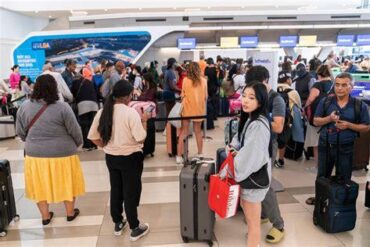
Social media soon lit up with firsthand accounts and photos, turning the incident into a viral event. Videos captured by passengers showed infants crying, elderly people resting on the floor, and many others venting their frustration. The situation became symbolic of broader issues within the aviation industry, where cost-saving measures and overburdened systems collide with passenger expectations.
The Ripple Effect Across Tourism and Air Travel
The diversion’s impact wasn’t confined to the affected passengers. It has sent shockwaves through the global travel ecosystem, particularly as the industry fights to recover from pandemic-era disruptions.
Destinations like Cancun depend on seamless air connectivity for their tourism economies. An incident like this shakes traveler confidence and can have downstream effects on hotels, local businesses, and tour operators.
At the same time, European aviation regulators are now under pressure to review guidelines around in-flight alcohol service. Airlines, once focused primarily on revenue from duty-free sales and onboard purchases, now face tough choices about balancing profits and safety.
A Call for Unified Industry Action
Experts across aviation, hospitality, and government circles now agree: a piecemeal approach is no longer sufficient. Stakeholders must develop clearer frameworks to handle intoxicated passengers, provide alternative shelter solutions during visa-related diversions, and enhance onboard crew authority.
Possible solutions gaining traction include:
- Pre-boarding intoxication screening
- Real-time monitoring of alcohol sales inflight
- Stricter penalties for passengers who disrupt flights
- Establishment of emergency visa waivers for diverted passengers
TUI’s Brand Under Fire—but Not Alone
While TUI is bearing the brunt of the public scrutiny, the issue is far from unique to a single airline. Disruptive passenger behavior is increasing globally, according to data from the International Air Transport Association (IATA). Alcohol-fueled incidents rank among the top causes.
Airlines face a difficult tightrope: on one side, the pressure to enhance passenger experience with amenities like alcohol; on the other, the growing risks that such services entail.
A Journey That Became a Cautionary Tale
For the passengers aboard flight BY49, what was meant to be a routine return from a tropical getaway became a lesson in the unpredictability of modern air travel. From onboard chaos to immigration nightmares and regulatory delays, the saga exposed deep cracks in an industry still regaining its footing.
The broader travel community is watching closely. This singular incident may very well catalyze a new era of aviation reform, driven not by policy wonks or government decrees—but by the raw, public pressure of passenger experiences gone wrong.
Final Descent: What’s Next for Aviation?
As airlines ramp up capacity to meet booming post-COVID demand, they must also strengthen operational resiliency. That means more robust training for cabin crew, smarter alcohol service strategies, better diversion planning, and faster, more transparent passenger communication during emergencies.
The TUI diversion was more than just a flight delay. It was a stress test for an entire system—one that is showing signs of strain under rising pressure.
How the industry responds now will shape the safety, comfort, and reliability of global air travel for years to come.