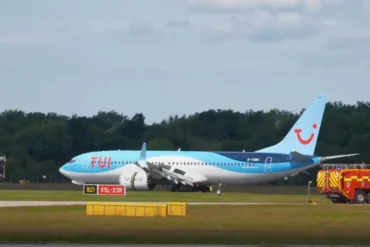
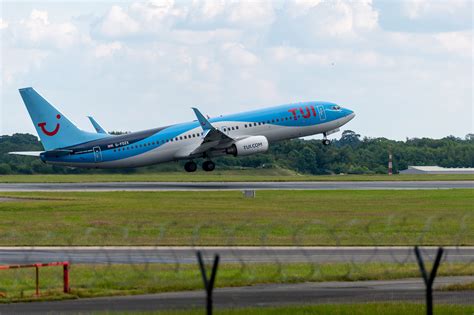
A Düsseldorf-bound TUI flight from Corfu made an unexpected emergency landing in Bari, Italy, on Sunday, June 29, 2025, causing a major disruption in European airspace at the peak of summer travel. The impact of this incident quickly escalated, stretching across numerous regional airports, straining the operations of several major airlines, and raising urgent questions about the stability and preparedness of the continent’s aviation infrastructure.
Emergency Declared Mid-Flight Over the Adriatic Sea
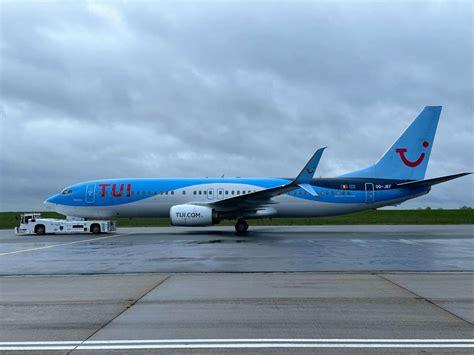
TUI flight X34429, operated by a Boeing 737-800, departed from Corfu International Airport, destined for Düsseldorf. Shortly after reaching an altitude of 29,100 feet, the flight crew issued a 7700 squawk code—the universal emergency transponder signal. This immediately alerted Italian air traffic controllers to a serious in-flight malfunction, likely involving technical systems aboard the aircraft.
The aircraft began circling over the Adriatic Sea as pilots worked through emergency checklists. The situation was tense; emergency services and fire crews were deployed to Bari Karol Wojtyła Airport, preparing for a potentially critical scenario. At exactly 12:39 PM local time, the plane touched down safely. All passengers and crew escaped injury, and were quickly deplaned and assisted by airport personnel.
Bari Airport Shutdown Paralyzes Southern Italian Airspace
In response to the emergency, Bari Airport immediately suspended all operations. The entire airfield was closed to arrivals and departures while crews conducted safety inspections and secured the grounded aircraft. This led to a domino effect:
- Incoming Ryanair flights from Rome, Patras, and Budapest were rerouted.
- Red Sea Airlines’ flight from Sharm El-Sheikh was redirected.
- Wizz Air services, particularly from Budapest, were forced to divert or delay.
The ripple effects were not confined to Bari alone. Aircraft were redirected to nearby hubs such as Naples and Brindisi, which struggled to accommodate the influx. These airports, already busy during the tourist season, experienced severe congestion and operational strain. Passengers were left stranded, and thousands of travel plans collapsed in real time.
Rome and Other Cities Pulled into the Disruption
The sheer scale of the impact drew in cities far beyond Bari. Rome, which was originally unaffected, joined the list of cities facing cascading delays as aircraft and crews were thrown off their schedules. The bottleneck at Bari rapidly expanded across southern Italy, with Naples and Brindisi receiving diverted planes, pushing their own capacity to the limit.
Passengers rerouted to these secondary airports faced logistical nightmares. Hotel bookings were missed, transfers were disrupted, and scheduled business and family events dissolved into uncertainty. The events highlighted the fragility of Italy’s air travel network when faced with a single high-stakes emergency.
Airline Responses: TUI, Ryanair, and Red Sea Airlines React
The immediate priority for TUI was the welfare of its passengers. Emergency ground teams at Bari were deployed rapidly, ensuring that everyone on board flight X34429 was safe and medically assessed. Meanwhile, TUI engineers began inspecting the aircraft to determine the technical root of the problem.
TUI’s quick reaction stands in stark contrast to the broader chaos faced by other carriers. Ryanair scrambled to reroute multiple planes, leading to operational confusion in Rome and Budapest. Red Sea Airlines and Wizz Air—both operating on tight summer timetables—were also swept up in the turmoil. While all airlines issued statements assuring customers of safety and support, the disruption’s magnitude overwhelmed call centers and on-the-ground teams.
Regional Airports Hit Hard: Naples and Brindisi Under Pressure
The forced closure of Bari put immediate stress on Naples International Airport and Brindisi Airport, both of which were left to absorb a surge in traffic. These airports, though capable, are not configured to handle emergency-scale diversions at such volume.
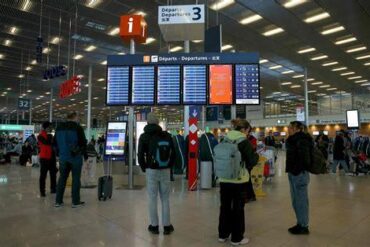
Arriving passengers faced long waits for immigration and baggage claim, while outbound flights were delayed or cancelled outright. Tour operators and hotel lobbies overflowed with distressed tourists seeking updates and rerouting assistance. The sudden influx also exposed gaps in coordination between airport authorities, carriers, and tourism boards.
This incident demonstrates how one emergency landing can ignite widespread logistical challenges and ripple into economic loss and traveler distrust, especially in regions heavily dependent on seasonal tourism.
Aviation Experts Sound Alarms: Technical Risks and Old Aircraft
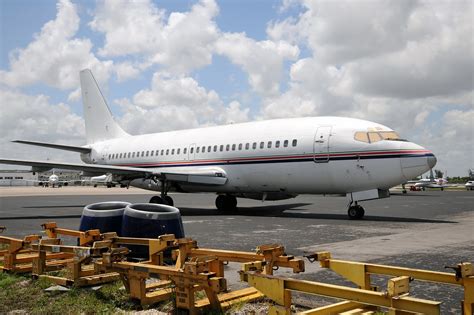
Attention has now turned toward the Boeing 737-800 involved in the incident. Experts suggest that the model, while reliable, is increasingly operating at the outer limits of its intended service life in many fleets. Investigators will review the aircraft’s maintenance logs, engine performance data, and previous flight history to determine what caused the malfunction.
The European aviation sector, still rebounding from post-pandemic constraints, is under immense pressure. With tight schedules, aging aircraft, and record passenger loads, the margin for error is alarmingly slim. Incidents like the one in Bari underline the urgent need for fleet renewal, enhanced crisis response training, and real-time contingency planning across the airline industry.
Passengers’ Perspective: Stress, Uncertainty, and Confusion
For travelers, the situation created a harrowing emotional rollercoaster. Passengers aboard the TUI flight faced the terrifying possibility of a catastrophic failure mid-air. For those on diverted Ryanair, Wizz Air, and Red Sea Airlines flights, confusion reigned as updates were delayed and destinations shifted.
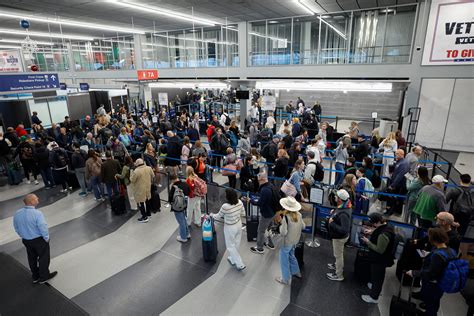
Many were left at unfamiliar airports with little information or support. Parents with children, elderly travelers, and individuals on tight travel schedules expressed frustration at the lack of communication and inadequate contingency planning by airport authorities. For many, the ordeal didn’t end with the landing—it extended into the chaos on the ground.
Economic and Reputational Fallout for Italy
The stakes of this disruption extend beyond aviation. Bari is a crucial hub for tourists entering Puglia and the Adriatic coast. With its airport paralyzed, tour operators across the region faced immediate cancellations. Restaurants, hotels, and car rental companies lost business as tourists either cancelled their bookings or found themselves unable to reach their destinations.
Italy, especially during its lucrative summer travel window, cannot afford reputational setbacks. A single, well-managed emergency could have passed with little incident. However, the cascading disruption, lack of coordinated communication, and struggles at regional airports risk damaging the image of Italy as a reliable destination. Travel agencies and international tourism boards are now closely monitoring how Italy manages recovery and future crisis readiness.
The Bigger Picture: Lessons for European Aviation
The Bari incident serves as a wake-up call for the European aviation ecosystem. The need for resilience, fleet modernization, and inter-airport coordination protocols has never been more apparent. As climate challenges and increasing passenger volumes intensify, so too must the sector’s readiness to adapt and react.
Moving forward, airlines will be expected to:
- Upgrade aging aircraft and diversify fleets for reliability.
- Enhance pilot and ground crew training for in-flight emergencies.
- Strengthen coordination with ATC and regional airports.
- Improve customer communication in real time during crises.
For Italy and Europe at large, this is a pivotal moment. The air travel industry must balance its growth ambitions with the pressing need for infrastructure investment and systemic resilience.
Conclusion: A Close Call With Broader Implications
What began as a technical failure aboard a single TUI flight quickly evolved into a far-reaching disruption with wide implications. From Rome to Brindisi, from Sharm El-Sheikh to Budapest, the ripple effect exposed systemic weaknesses in both Italy’s and Europe’s aviation logistics.
While no lives were lost and the emergency was technically well-handled, the operational aftermath suggests that the infrastructure underpinning Europe’s air travel network remains vulnerable. As summer travel intensifies, passengers, operators, and governments alike must recognize that preparedness isn’t optional—it’s essential.