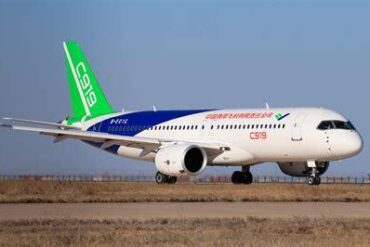
Chinese aircraft manufacturer COMAC has reached another significant milestone in the development of its C919 family, with the first test flight of the new C919-600 high-altitude variant marking a major step forward for China’s domestic aviation industry. The smaller narrowbody twinjet has been designed specifically to serve airports located in mountainous and plateau regions, where operating conditions present unique challenges for commercial aircraft.
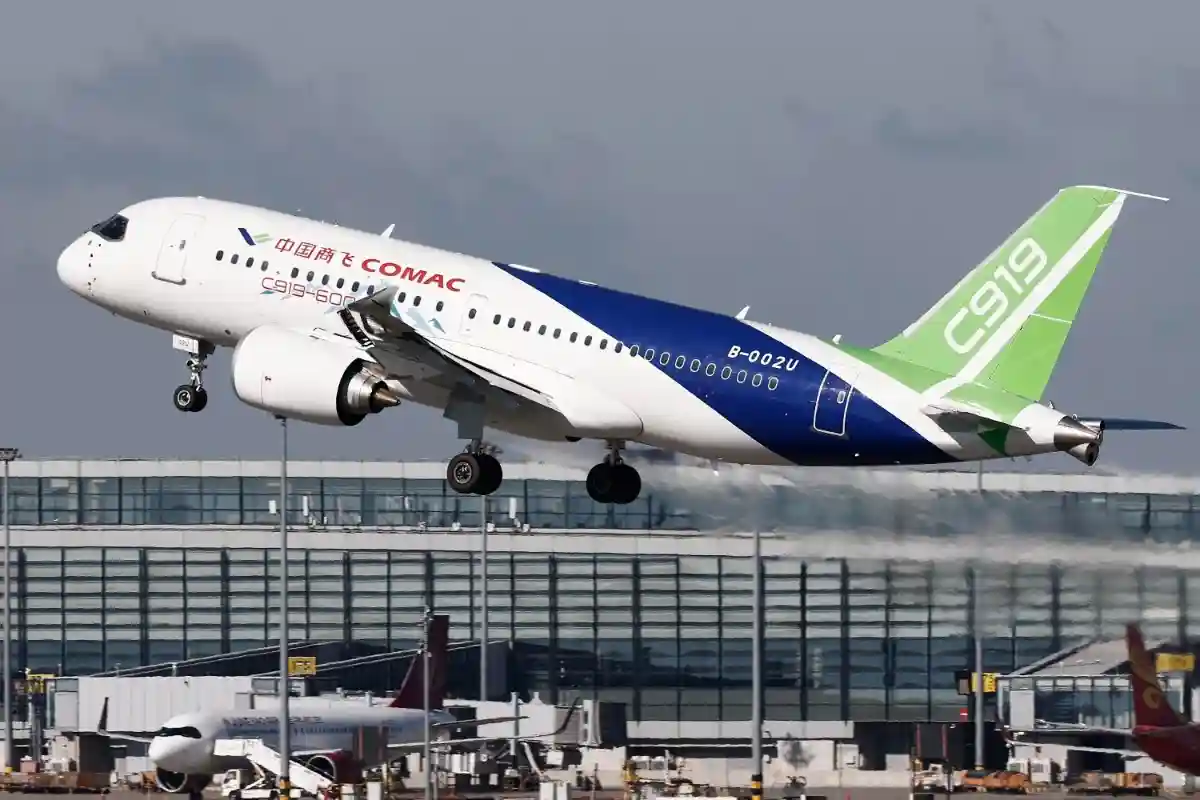
The maiden flight took place on Wednesday from Shanghai Pudong International Airport, with the aircraft completing nearly two hours of airborne testing before returning safely to its departure airport. COMAC described the event as an important stage in the continued development of the C919 program, demonstrating progress toward expanding the aircraft family beyond conventional commercial operations.

The aircraft involved in the test program carries the registration B-002U. Flight tracking data showed that the jet departed Shanghai at 7:59 AM local time on July 29 and conducted a series of test activities over the region northeast of the city. During the flight, the aircraft reached an altitude of approximately 22,000 feet, collecting important performance data before landing back at Shanghai Pudong International Airport at 9:58 AM.
According to COMAC, the aircraft completed all scheduled flight test objectives during its first sortie. The manufacturer explained that the plateau version incorporates targeted modifications compared with the standard C919 design, including a shortened fuselage and enhanced system capabilities to support operations from high-altitude airports.
A Specialized C919 Variant Designed for China’s Plateau Airports
The development of the COMAC C919-600 reflects China’s growing focus on improving air connectivity in remote and mountainous regions. Unlike conventional commercial aircraft that primarily operate from coastal and low-altitude airports, plateau aircraft must handle thinner air, reduced engine performance, shorter runways, and demanding takeoff and landing conditions.
China’s western regions, particularly areas around Tibet and the Qinghai-Tibet Plateau, contain some of the world’s highest commercial airports. These locations require aircraft specifically adapted for high-altitude operations, making the C919-600 an important addition to China’s aviation strategy.
COMAC is developing the aircraft alongside Xizang Airlines, formerly known as Tibet Airlines. The carrier is based at Lhasa Airport, which sits at an elevation of approximately 3,570 meters (11,710 feet) above sea level. This operational environment makes Xizang Airlines a natural launch customer for an aircraft designed to overcome plateau aviation challenges.
The C919-600 features a shorter fuselage compared with the standard C919 variants. COMAC achieved this by removing six fuselage sections, allowing the aircraft to maintain suitable performance characteristics in high-altitude environments. The aircraft is expected to accommodate between 140 and 160 passengers, compared with the standard C919-100 and C919-100ER capacity range of 158 to 192 seats.
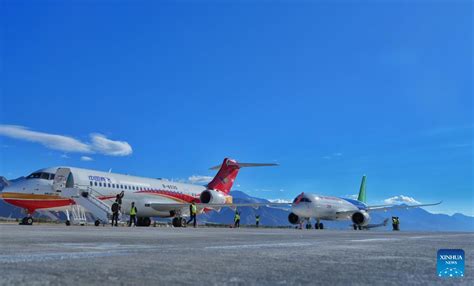
The smaller size is not simply a reduction in passenger capacity. It represents a deliberate engineering choice designed to balance payload, runway performance, and operational flexibility. At high-altitude airports, where aircraft engines generate less thrust and wings produce less lift, reducing weight and optimizing configuration can significantly improve safety and efficiency.
Xizang Airlines Leads C919-600 Commercial Development
At present, Xizang Airlines is the only confirmed customer for the C919-600, with an order for 40 aircraft. The agreement represents one of the most specialized commitments within the broader C919 program and highlights the airline’s confidence in using domestically produced aircraft for regional growth.
Xizang Airlines currently operates a mixed Airbus fleet, including A319-100, A319neo, A320-200, and A330-200 aircraft. Alongside the C919-600 order, the airline has also committed to acquiring ten COMAC C909 regional jets, strengthening its partnership with China’s aviation manufacturing sector.
The introduction of the C919-600 could provide Xizang Airlines with a more tailored aircraft solution for routes connecting high-altitude communities with major Chinese cities. The aircraft’s design could allow more efficient operations where larger narrowbody jets may face limitations due to airport conditions or lower passenger demand.
How the C919-600 Fits Into COMAC’s Growing Aircraft Family
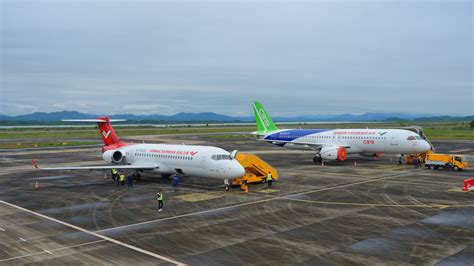
The C919-600 is only one part of COMAC’s broader plan to expand the C919 platform. While the high-altitude version serves a highly specialized market, the standard C919-100 remains the most commercially successful variant so far.
The standard model has already entered service with major Chinese airlines, including China Eastern Airlines and China Southern Airlines. China Eastern operates 16 C919 aircraft and has additional units on order, while China Southern has also begun integrating the aircraft into its fleet with significant future commitments.
Beyond domestic operators, the C919 family has attracted additional interest from other airlines. The aircraft represents China’s attempt to compete directly in the narrowbody market currently dominated by the Airbus A320 family and Boeing 737 series.
The longer-range C919-100ER variant has also gained attention, with customers including Air China and China Eastern Airlines. Meanwhile, COMAC is reportedly exploring a larger stretched version, known as the C919-800, which could increase seating capacity to approximately 240 passengers.
A New Milestone for China’s Aviation Industry
The maiden flight of the COMAC C919-600 represents more than the launch of another aircraft variant. It demonstrates China’s effort to develop aircraft tailored to its own geographic and transportation requirements while expanding the capabilities of its domestic aviation industry.
Although the C919-600 is unlikely to achieve the same sales volume as the standard C919 due to its specialized mission, its importance lies in solving a specific operational challenge. By creating an aircraft optimized for plateau airports, COMAC is targeting a market where conventional narrowbody jets face limitations.
As flight testing continues, the C919-600 will provide valuable data on high-altitude performance, reliability, and operational efficiency. If successful, the aircraft could strengthen regional connectivity across China’s mountainous areas while further advancing COMAC’s position in the global commercial aviation market.