The possibility of a historic aircraft purchase by China is once again energizing the global aviation industry. Boeing is reportedly positioning itself for a potential mega deal involving up to 600 aircraft, including roughly 500 narrowbody Boeing 737 MAX jets and 100 widebody aircraft such as the Boeing 787 Dreamliner or the upcoming 777X. If finalized, the agreement could become one of the largest commercial aviation orders in history and mark a dramatic revival of aircraft trade between the United States and China.
The proposed order is emerging at a moment when political diplomacy and commercial aviation strategy are converging. United States President Donald Trump is scheduled to travel to China between March 31 and April 2, his first state visit since 2017. During this trip he is expected to meet Chinese President Xi Jinping, and industry observers believe the high-profile diplomatic setting could provide the stage for announcing a large-scale aircraft agreement.
Financial markets have already reacted to the possibility. As negotiations gained momentum, shares of U.S. aerospace manufacturers rose nearly 3.7%, signaling strong investor expectations that renewed trade cooperation could bring a surge of aircraft orders to Boeing.
China’s Surging Aviation Demand Creates Opportunity
China’s aviation market has long been considered one of the most important growth engines for global aircraft manufacturers. Rapid economic expansion, growing middle-class travel demand, and the continued development of secondary cities have produced sustained need for new aircraft.
Before political tensions disrupted the market, Chinese airlines accounted for roughly 25% of Boeing’s global order book. In recent years, however, that figure has dropped dramatically. Currently, only around 133 Boeing aircraft remain on order for Chinese airlines, representing just about 2% of Boeing’s backlog.
A large purchase would therefore represent a strategic reset for Boeing in one of its most critical markets. For China, the order would help airlines modernize fleets, expand international networks, and support the country’s rapidly expanding air travel sector.
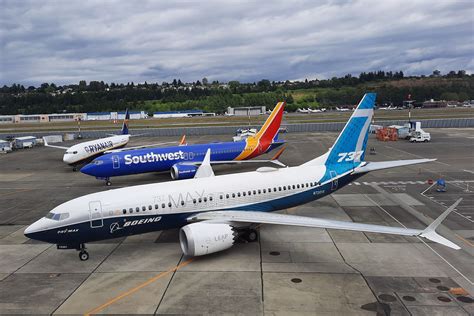
At the same time, China has also been exploring a parallel aircraft order with Airbus, reportedly involving another 500 aircraft from the European manufacturer. Negotiations with Airbus have also been ongoing for years, highlighting how Beijing carefully balances purchases between global aerospace suppliers to maximize leverage and diversify fleet sources.
Diplomacy, Tariffs, and Aircraft Orders
The potential Boeing agreement is closely tied to broader trade negotiations between Washington and Beijing. In recent years, the relationship between the two countries has been defined by tariff disputes, export control threats, and competing strategic interests.
Both governments have occasionally used high-value industrial purchases as diplomatic signals. Commercial aircraft fit perfectly into this category. They represent massive financial commitments, technological cooperation, and long-term economic partnerships without directly disrupting domestic commodity markets.
Aircraft orders also offer strong political optics. A multi-billion-dollar aviation purchase provides a visible symbol of economic cooperation, making it attractive for leaders seeking to demonstrate progress in trade relations.
Trump’s Trade Strategy and Aircraft Diplomacy
The use of aircraft orders as diplomatic tools has become increasingly visible during Trump’s trade negotiations with Asia. Several countries responded to U.S. tariff pressure by placing large orders with American manufacturers as part of broader economic agreements.
Japan and South Korea, for example, committed to more than 100 Boeing aircraft after trade discussions with Washington. These deals helped ease trade tensions while simultaneously boosting the U.S. aerospace sector.
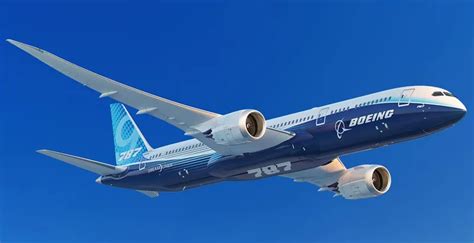
This pattern has created a recognizable strategy: nations seeking improved trade relations with Washington often use aircraft purchases as a neutral and economically productive compromise. Aircraft procurement rarely provokes domestic political backlash because airlines require fleet expansion regardless of geopolitical considerations.
If China proceeds with the Boeing purchase, it would follow the same playbook—a high-value commercial deal that signals willingness to stabilize trade relations without altering core economic policies.
China’s Dominant State-Owned Airline Giants
Any large aircraft purchase by China will ultimately be distributed among the country’s major airlines, many of which are state-owned and strategically aligned with government planning.
The three largest carriers dominate Chinese aviation:
- China Southern Airlines, the country’s largest airline by fleet size and passenger traffic, operating major hubs in Guangzhou Baiyun International Airport and Beijing Daxing International Airport.
- China Eastern Airlines, based primarily in Shanghai Pudong and Shanghai Hongqiao, and a key member of the SkyTeam alliance.
- Air China, the national flag carrier headquartered in Beijing and a member of the Star Alliance global network.
These airlines manage the majority of both domestic and international traffic across China, making them the most likely recipients of any new Boeing aircraft allocations.
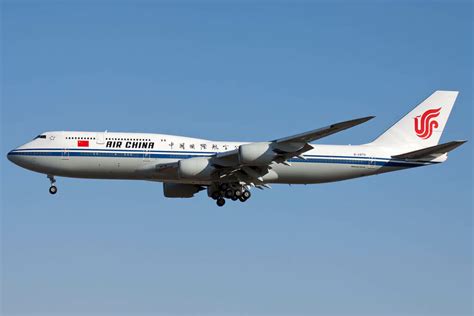
Beyond the “Big Three,” Hainan Airlines plays an important role as China’s largest private airline. Known for its premium service reputation, Hainan operates significant hubs in Beijing and Haikou, contributing further demand for widebody aircraft on international routes.
A Defining Moment for Boeing’s China Strategy
For Boeing, the stakes surrounding the potential deal extend far beyond the aircraft themselves. The company has spent several years attempting to rebuild trust and market access in China after geopolitical tensions and regulatory delays affected deliveries of the 737 MAX.
Securing an order of this magnitude would immediately reposition Boeing in the Chinese market and restore a critical source of future growth. At the same time, it would reaffirm China’s role as the largest long-term driver of global air travel expansion.
If the negotiations succeed, the announcement could become one of the defining aviation deals of the decade, reshaping airline fleets, influencing global aerospace competition, and demonstrating how commercial aviation continues to serve as a powerful instrument of international diplomacy.