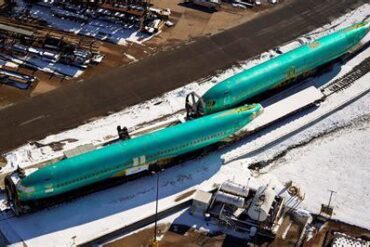
Boeing has reached a tentative labor agreement with roughly 1,600 former Spirit AeroSystems employees, marking a critical milestone following the aircraft manufacturer’s December acquisition of its longtime supplier. The deal, unanimously recommended by the union’s negotiating committee, signals Boeing’s intent to stabilize its newly absorbed workforce while aligning benefits and compensation with existing Boeing standards.
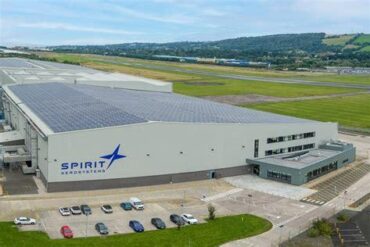
The agreement covers employees now working at Boeing’s Wichita operations, many of whom transitioned as part of Boeing’s strategic move to regain tighter control over its supply chain. After years of outsourcing, Boeing’s acquisition of Spirit AeroSystems was designed to address production quality, safety oversight, and manufacturing consistency, making labor integration a central priority.
According to union leaders, the proposed contract responds to most of the issues raised during negotiations, particularly around pay growth, healthcare costs, retirement security, and time off. The offer places former Spirit workers on comparable footing with Boeing union and non-union employees, reducing long-standing disparities that emerged under separate corporate structures.
Wage Growth Anchored by a 20% Increase in Salary Pools
At the core of the agreement is a 20% cumulative increase in wage pools spread over 58 months, ensuring steady income progression rather than front-loaded gains. The structure guarantees employees a minimum annual raise of approximately 2%, separate from any merit-based increases determined during performance reviews.
The wage pool adjustments are carefully phased to support predictability and long-term planning. Scheduled increases include 5% in July 2026, 3.5% in March 2027, 4% in March 2028, 3.5% in March 2029, and 4% in March 2030. This approach reflects Boeing’s preference for incremental stability over short-term spikes, a model increasingly favored across aerospace manufacturing.
Promotional compensation also sees a significant boost. Promotional funds will rise by 50% overall, with annual increases ranging between 0.50% and 0.75%, and unused funds will roll over into subsequent years. That rollover provision adds flexibility for career progression in a workforce where advancement timelines can vary widely by role.
Expanded Benefits Bring Former Spirit Employees Into Boeing’s System
Healthcare improvements represent one of the most tangible wins for employees. The agreement delivers enhanced medical and dental coverage, with plan changes expected to save some workers up to $7,000 per year, depending on plan selection. These savings directly address one of the most persistent concerns raised during negotiations.
Vacation policies are also expanded, providing an average of six additional paid days off per year, scaled by tenure. These days come on top of existing floating holidays and specialized leave categories, including parental, military, and adoption leave, reinforcing Boeing’s effort to standardize benefits across its workforce.
Financial security is further strengthened through a $6,000 ratification bonus, which employees may choose to deposit into a 401(k), subject to IRS limits. Annual performance payouts are targeted at 7%, up from 6%, with the maximum payout ceiling increasing from 12% to 14%. Beginning in 2027, employees who contribute to their retirement plans will receive a 10% employer 401(k) match, a benefit that significantly enhances long-term retirement outcomes.
Union Endorsement and Voting Timeline
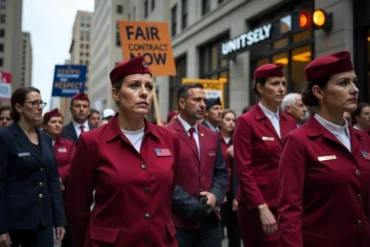
James Hatfield, chair of the union’s negotiating team, described the proposal as a clear improvement over previous terms, emphasizing better healthcare, more vacation time, and credible salary growth. The negotiating committee’s unanimous recommendation carries weight among members, particularly given the length and complexity of the talks.
Union members have until 5:00 pm on January 30 to review and vote on the agreement using a secure electronic voting system. Ratification requires a simple majority of participating dues-paying members. If approved, the new contract will take effect on February 1, immediately following the expiration of the current six-year agreement on January 31.
The workers are represented by the Society of Professional Engineering Employees in Aerospace (SPEEA) Wichita Technical and Professional Unit, which advocates for non-engineering aerospace professionals at Boeing’s Wichita site. SPEEA also represents approximately 1,000 engineers in Wichita under separate agreements and nearly 19,000 engineers and technical employees nationwide, spanning Washington, Oregon, Kansas, California, and Utah.
Strategic Implications for Boeing’s Supply Chain Reset
This labor agreement extends beyond compensation. It reinforces Boeing’s broader strategy to reintegrate critical manufacturing capabilities after years of reliance on external suppliers. Spirit AeroSystems’ role in producing major aircraft structures made labor stability a non-negotiable element of the acquisition’s success.
By bringing former Spirit workers fully into Boeing’s compensation and benefits ecosystem, the company reduces operational friction while signaling long-term commitment to its Wichita workforce. For employees, the deal offers financial predictability and institutional parity. For Boeing, it provides a steadier foundation as the manufacturer works to rebuild trust, improve quality controls, and restore production confidence across its commercial aircraft programs.