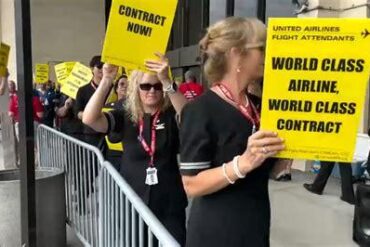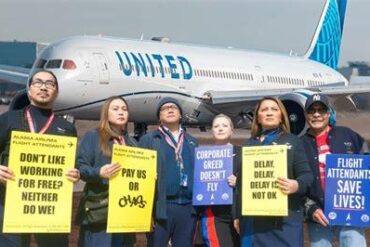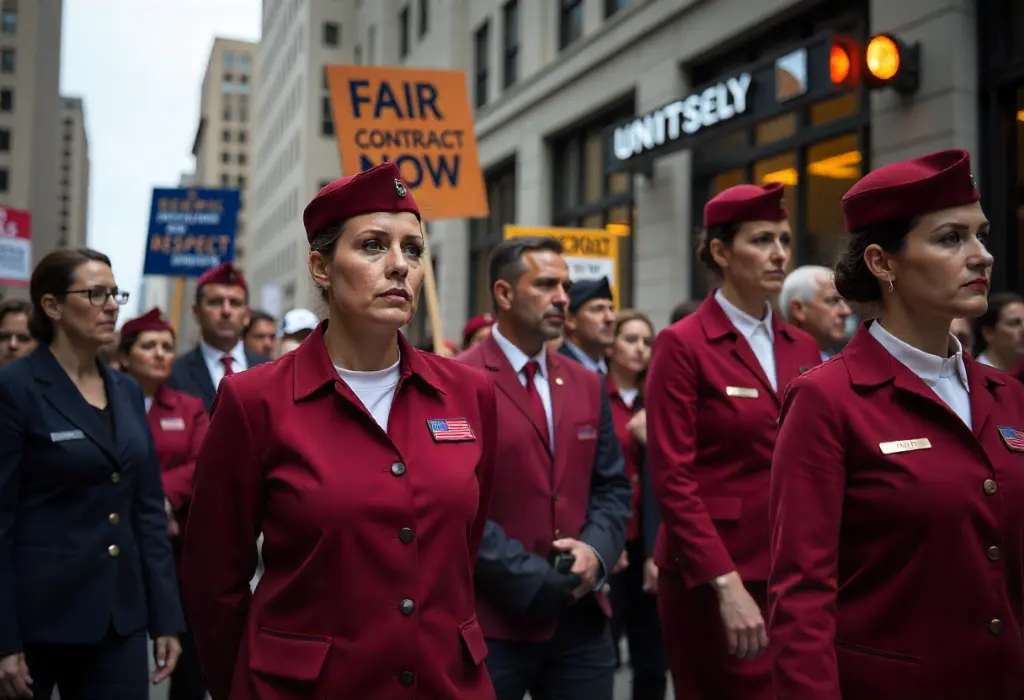
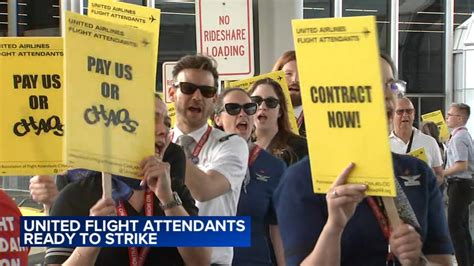
Flight attendants at United Airlines have delivered a decisive message to management by overwhelmingly rejecting a tentative labor agreement that was reached earlier this year. Despite efforts by the Association of Flight Attendants (AFA) to secure approval, 71% of participating members voted against the proposed deal, underscoring deep dissatisfaction among the workforce over compensation and working conditions.
A Resounding Rejection Despite Promised Raises
The proposed contract, negotiated between United Airlines management and AFA leadership in May 2025, included a 26% immediate pay raise for flight attendants — a figure that, on paper, seemed like a substantial increase. However, flight attendants viewed the offer as insufficient, given that they have not received a raise in over five years, including the turbulent years of the COVID-19 pandemic when they faced unprecedented challenges in the cabin environment.
In a statement to CNBC, Ken Diaz, president of United’s AFA chapter, expressed the collective sentiment of the crew:
“United Flight Attendants today voted to send a strong message to United Airlines management by rejecting a tentative agreement that didn’t go far enough to address the years of sacrifice and hard work to make the airline the success it is today.”
The vote makes it clear that United flight attendants are unwilling to settle for a contract they perceive as failing to adequately reflect their role in the airline’s success. It also signals the beginning of what could be another protracted negotiation cycle, with both the airline and the union likely forced back to the bargaining table.
Rising Tensions Between Union Leadership and Members
Perhaps more striking than the rejection itself is the growing tension between United’s flight attendants and their union leadership. While unions are traditionally tasked with safeguarding the interests of workers, some attendants have voiced concerns about whether their leadership is truly aligned with their needs.
Criticism stems from the fact that United’s AFA leadership reportedly received 35% raises in recent years, even as the flight attendants themselves saw no pay increases. This discrepancy has fueled perceptions that union leaders may be prioritizing their own compensation over fighting for better pay and working conditions for their members. Some flight attendants have even begun calling for changes in representation, suggesting that confidence in the current union leadership is eroding.
The rejection of this contract is thus more than just a refusal of management’s offer; it’s also a rebuke of the union’s handling of negotiations and an assertion that the flight attendants expect far more in the next round of talks.
United’s Financial Success Heightens the Stakes
The backlash from flight attendants comes at a time when United Airlines is reporting record profits and robust growth. The Chicago-based carrier has experienced surging passenger volumes in 2025, expanded its international route network, and increased service in key domestic markets. The airline’s positioning in premium travel segments has also proven lucrative, with demand for business-class and premium economy cabins outpacing expectations.
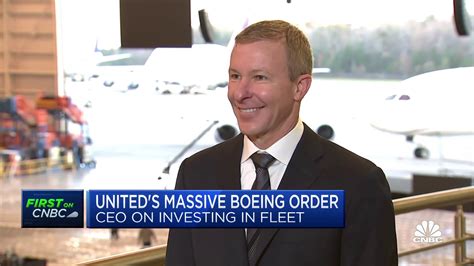
United’s CEO Scott Kirby has touted these achievements as evidence of the airline’s resilience and strategic acumen. But for flight attendants, these financial results underscore their argument that the company can — and should — share its success more equitably with its frontline workers.
A Broader Labor Movement Across the Airline Industry
The flight attendants’ decision reflects a broader labor awakening within the U.S. airline industry. In recent years, Southwest Airlines, Delta Air Lines, and American Airlines have signed more competitive contracts with their cabin crews, creating industry benchmarks that United’s flight attendants are keenly aware of. Many workers feel that their pay lags behind peers at these carriers, particularly when factoring in inflation and the intense post-pandemic travel environment.
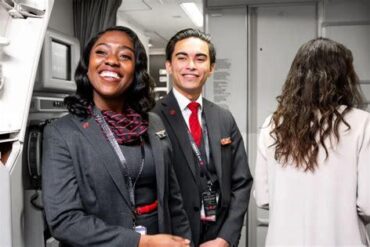
United’s union members also point to the increased demands placed on cabin crews since the pandemic, from stricter enforcement of health protocols to handling unruly passengers amid heightened tensions onboard. These factors, combined with stagnant wages, have left many feeling undervalued.
What’s Next for United Airlines and Its Flight Attendants?
With this overwhelming rejection, United Airlines faces a difficult balancing act: addressing employee demands for better pay and working conditions without compromising its profitability or shareholder expectations. The airline’s management will need to re-engage in negotiations with AFA, this time with a sharper focus on addressing the grievances that fueled the backlash.
For the union, the stakes are equally high. Rebuilding trust with its members will be critical, especially as questions arise about leadership priorities and their ability to secure a contract that reflects the contributions of flight attendants.
The rejected deal also raises the possibility of escalated labor actions, including demonstrations, work-to-rule campaigns, or even the threat of a strike if negotiations stall. While such measures would disrupt operations, they remain a powerful tool for flight attendants seeking leverage in their pursuit of a fairer agreement.
Conclusion: A Clear Message and an Uncertain Road Ahead
The rejection of the tentative contract by United Airlines flight attendants is more than just a setback for the airline’s labor negotiations. It is a resounding statement of discontent from a workforce that feels overlooked despite its central role in the airline’s post-pandemic recovery and success. For United Airlines, the road ahead involves more than just tweaking financial terms; it will require a renewed commitment to valuing the people who make its operations possible.
As the airline continues to thrive in the competitive U.S. market, it now faces a pivotal question: Can it strike a balance between rewarding shareholders and ensuring the satisfaction of its frontline employees? The answer will shape not only its labor relations but also its reputation in an industry where employee morale often directly impacts customer experience.