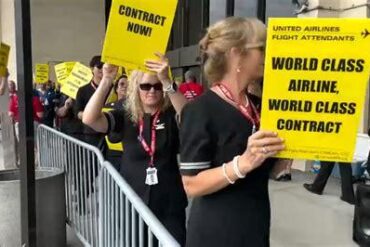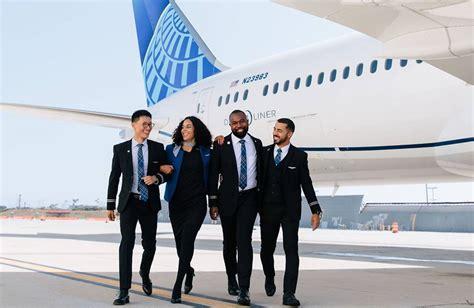
United Airlines flight attendants are on the brink of voting on a new contract that could reshape their working conditions in significant ways. While this agreement promises long-overdue pay increases and financial improvements that could total over a billion dollars annually, not all aspects of the deal are being welcomed with open arms. Among the most contentious changes is a revision to the layover hotel standards, which some flight attendants fear may compromise comfort, safety, and dignity during rest periods.
The Long-Awaited Agreement and Its Tensions
After years of delay — the last contract became amendable in 2021 — United and the Association of Flight Attendants (AFA) have put forward a tentative agreement designed to modernize compensation structures and address long-standing concerns. From boarding pay to adjustments for cost of living, the financial terms are considered generous by many. However, hidden within the pages of legal and contractual language are changes to crew accommodations that, for many, raise red flags.

From “Business Class Hotels” to Vague Standards
One of the starkest changes between the old and new contracts lies in the definition of where flight attendants will sleep between flights. The current contract contains a clause entitling crew members to stay in a “business class hotel.” Though the term lacks an official industry standard, it nonetheless implied a certain level of comfort, service, and security appropriate for professionals in a physically demanding job.
In contrast, the new language is alarmingly nonspecific. It removes that phrasing and instead stipulates that accommodations must simply be “maintained and cleaned to remain tenantable.” This wording is not just vague, but also opens the door to subjective interpretation and minimal compliance. As long as the hotel performs routine cleaning and upkeep, it technically satisfies the clause — regardless of the location, amenities, or brand reputation.
Why This Matters: The Psychology and Physical Toll of Downgrading
Crew layovers are not vacations — they are legally mandated rest periods that allow flight attendants to recover from long shifts, jet lag, and irregular sleep cycles. Hotel quality directly impacts how rested and functional a crew member will be on their next flight. Noise levels, bed quality, proximity to restaurants or food options, and even neighborhood safety can all affect the ability of a flight attendant to do their job safely and professionally.
What might be brushed off as a minor contract change by outsiders is, in reality, a quality-of-life issue for thousands of frontline workers. While United isn’t immediately moving staff into roadside motels, the lack of clarity around the new hotel standard invites a slow and quiet erosion of conditions. Over time, cost-cutting incentives could see crews lodged farther from airports, in less secure or lower-tier hotels, or in places with fewer conveniences.

Real-World Examples Fuel Concerns
Reports from within the crew community already show a pattern of downgraded accommodations in recent years, even before this proposed language change. For instance, United flight attendants on London layovers were lodged in Woking — a distant suburb, requiring extended ground transportation — instead of central London. Similarly, Amsterdam-based crews found themselves staying in The Hague, over an hour’s commute from Schiphol Airport and the heart of the city.
These examples demonstrate how contractual flexibility can be used to justify moves away from city-center hotels, even in global cities where rest and accessibility are crucial. Flight attendants are voicing that the issue isn’t just about luxury — it’s about location, recovery, and respect.
AFA’s Role and the Trust Gap
The AFA’s leadership, under Sara Nelson and Ken Diaz, has been both praised and criticized throughout the negotiation process. While the union has emphasized the financial wins embedded in the tentative agreement, many flight attendants feel that these gains are being offset by hidden concessions, such as the hotel downgrade.
Mistrust has been compounded by other changes in the proposed agreement. For example, new language appears to require flight attendants to be on call during layovers, acknowledging calls from crew scheduling — something previously not stipulated. There is also concern about a minimum annual flying requirement, which if not met could allegedly result in the loss of health insurance. These elements have stoked fears that the union is not pushing back hard enough on management priorities.
Industry Context: How Does United Stack Up?
Critics argue that the financial package United offers is merely catching up to competitors like Delta, Alaska, and Southwest, rather than exceeding them. Delta flight attendants, for example, receive extended pay during airport sits, and American Airlines crews benefit from stronger language around hotel standards. Without clearly defined benchmarks or brand examples, United’s policy creates ambiguity that benefits the company, not the worker.
The vague “tenantable condition” clause could even allow for a race to the bottom, where cost and availability dictate lodging rather than suitability. This absence of specificity may eventually become a legal grey area that weakens any future grievances the union may attempt to file.
The Bigger Picture: Comfort, Safety, and Value
Flight attendants are trained first and foremost in passenger safety. A well-rested crew is an essential part of that equation. Sacrificing the quality of their rest periods undermines not just their health and morale, but overall flight safety and passenger experience.
United Airlines markets itself as a premium, global brand, and yet its operational decisions suggest a tilt toward cost control at the expense of its frontline workers. If these changes go forward unchallenged, they may set a troubling precedent for labor standards across the industry.

Will Flight Attendants Approve the Deal?
This is the question at the heart of the debate. On one hand, the contract offers long-awaited financial relief and modernized provisions that many crew members welcome. On the other, these benefits are being bundled with ambiguous concessions that could affect day-to-day working life in subtle but serious ways.
Some flight attendants argue that the time to fight for better hotel language is now, before ratification locks them into another multi-year agreement. Others believe that a pay raise — especially after years of stagnation — is too important to pass up, even with compromises.
Whatever the outcome, it’s clear that United’s crew members are engaged, informed, and unafraid to hold both their employer and union accountable. With more than 20,000 flight attendants eligible to vote, this decision could reshape the relationship between airline labor and management for years to come.
Conclusion: A Vote That Could Echo Beyond United
While United’s tentative agreement contains clear financial wins, the subtle erosion of layover hotel standards may have far-reaching consequences. In industries where physical and mental fatigue are constant threats, where rest is not a privilege but a necessity, decisions like these reveal the true priorities of leadership.
For United Airlines, the question isn’t just whether the contract passes, but at what cost to morale, trust, and future negotiations. Flight attendants are not simply employees — they are the face of the airline, the protectors of passenger safety, and the stewards of onboard hospitality. How they are treated during rest — not just during flight — matters. And the world is watching.