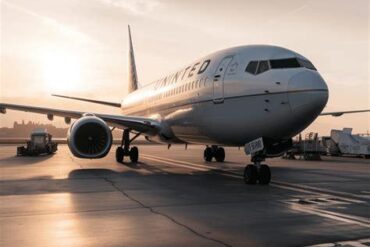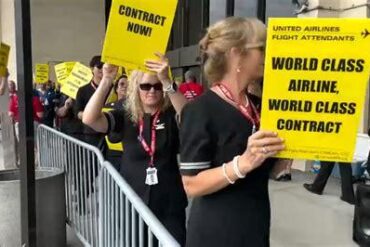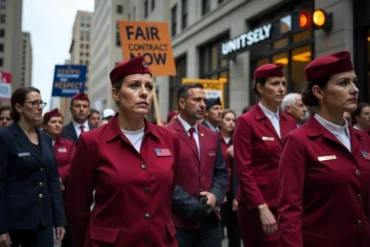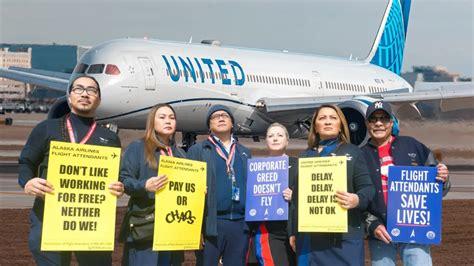
United Airlines has entered a निर्णing phase in its prolonged labor negotiations, as final contract talks with its flight attendants unfold in Washington, D.C. This pivotal week could determine the future working conditions, compensation structure, and operational flexibility for more than 30,000 cabin crew members, many of whom have been working without an updated agreement for nearly six years. The outcome is expected to ripple across the broader aviation industry, where labor relations remain under intense scrutiny.
The stakes are unusually high. After years marked by pandemic disruption, volatile fuel costs, and shifting global demand, both United Airlines and the Association of Flight Attendants (AFA) are under pressure to secure a deal that balances financial sustainability with workforce satisfaction. While earlier signals hinted at a potential agreement that could position United’s flight attendants among the best-paid in the industry, key sticking points remain unresolved.
As negotiations intensify, both sides are approaching what insiders describe as a “now or never” moment. The current mediation session, scheduled to conclude by March 27, represents the final structured opportunity to reach a tentative agreement before tensions risk escalating further.
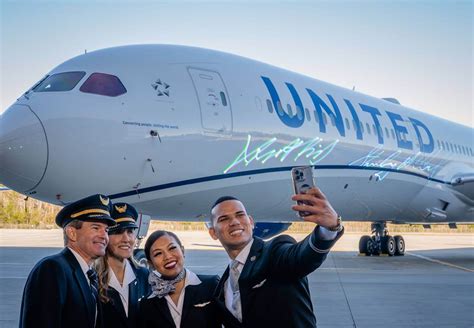
Six Years Without a Contract: Pressure Builds on Both Sides
The absence of a new labor contract for nearly six years has created mounting frustration among United’s cabin crew. During this period, the aviation sector has undergone dramatic transformation, from the collapse in global travel during COVID-19 to the uneven recovery shaped by geopolitical instability and operational bottlenecks. Flight attendants have continued to operate under outdated terms while the airline navigated these turbulent conditions.
For employees, the delay has translated into stagnant compensation frameworks and unresolved quality-of-life concerns, particularly around scheduling flexibility and paid time off (PTO). For United Airlines, however, the challenge lies in reconciling these demands with a financial landscape still recovering from recent shocks. The result is a negotiation environment where neither side has significant room for miscalculation.
Key Battleground: Pay Raises vs. Work Rule Concessions
At the center of the negotiations is a familiar but complex trade-off: higher wages in exchange for operational concessions. Reports earlier this month suggested that United was prepared to offer a compensation package that could elevate its flight attendants to the top tier of airline pay scales. However, such gains may come at the cost of adjustments to longstanding protections.
One of the most contentious issues involves paid time off provisions, which union representatives have firmly labeled a “non-starter” when it comes to reductions. The union has also criticized what it describes as corporate messaging aimed at reframing concessions as necessary compromises, signaling a widening gap in trust between the two sides.
Beyond PTO, discussions have touched on deeper structural elements of airline operations, including the scope clause, a cornerstone of labor agreements in the U.S. aviation sector.
The Scope Clause Debate: A Rare but Powerful Bargaining Chip
The scope clause limits the size and capacity of regional aircraft operated by partner carriers, effectively protecting mainline jobs by restricting outsourcing. Traditionally viewed as untouchable, its presence in the current negotiations underscores just how high the stakes have become.
If modified, the clause could allow United Airlines to expand its use of lower-cost regional operations, potentially reshaping its cost structure. For flight attendants, however, such a move raises concerns about job security and long-term career stability. The mere inclusion of the scope clause in discussions signals a willingness—at least in theory—to reconsider fundamental aspects of the airline’s labor model.
Operational Missteps Add to Uncertainty
Recent weeks have not been without turbulence. An accidental mass email sent to United’s entire cabin crew, mistakenly notifying them of a transfer opportunity to London, added an unexpected layer of anxiety. Although quickly corrected, the incident highlighted underlying communication challenges at a sensitive moment in negotiations.
Such missteps, while minor in isolation, contribute to a broader atmosphere of uncertainty. For employees already navigating contract ambiguity, even small disruptions can amplify concerns about transparency and organizational stability.
Financial Pressures Complicate the Final Stretch
The timing of these negotiations is far from ideal for United Airlines. Rising fuel costs, driven in part by geopolitical tensions in the Middle East, have forced the carrier to cut approximately 5% of its scheduled flights for the second and third quarters of 2026. These reductions reflect a cautious approach to capacity management amid fluctuating demand and constrained resources.
Despite these pressures, United has continued to invest aggressively in its future. The airline is in the midst of a major fleet expansion and modernization program, including the integration of new aircraft and the retrofitting of existing ones. Enhancements such as upgraded premium cabins and innovative economy seating concepts—like the “Relax Rows”—demonstrate a commitment to maintaining competitive appeal.
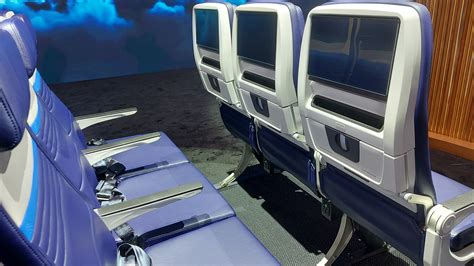
This dual reality—financial constraint alongside capital investment—complicates the negotiation landscape. While the airline must manage costs carefully, it also faces the imperative to attract and retain talent in an increasingly competitive labor market.
What Happens Next: From Tentative Agreement to Ratification
Even if a tentative agreement is reached this week, the process is far from complete. The proposed deal must first be reviewed by the Master Executive Council (MEC), which will determine whether it should be presented to union members for ratification. This additional step ensures that the final contract reflects the collective will of the workforce, not just the negotiating committee.
For flight attendants, ratification represents the ultimate checkpoint—a chance to weigh the benefits of improved pay against any concessions made. For United Airlines, it is the final hurdle in securing labor stability after years of uncertainty.
A Defining Moment for United Airlines
This week’s negotiations represent more than just a contract dispute; they are a defining moment for United Airlines as it seeks to align its workforce strategy with its long-term ambitions. The outcome will shape not only employee relations but also the airline’s ability to compete in a rapidly evolving industry.
Whether the result is a landmark agreement or a continuation of uncertainty, one thing is clear: the decisions made in Washington this week will resonate far beyond the negotiating table, influencing the trajectory of one of the world’s largest airlines and the people who keep it moving every day.