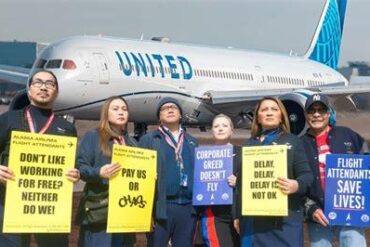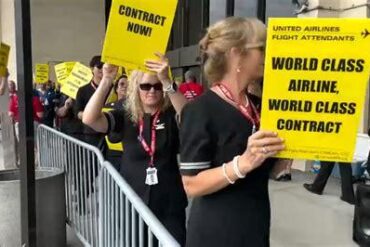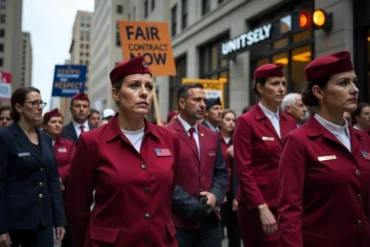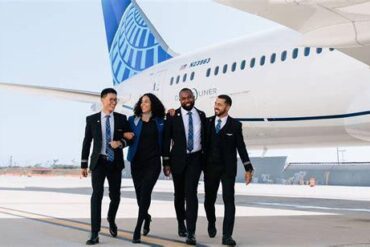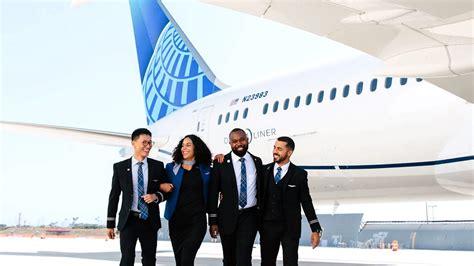
United Airlines flight attendants have officially ratified one of the most consequential labor agreements seen in the US aviation industry in recent years, closing out a prolonged contract battle that stretched across several years of post-pandemic turbulence. The agreement, approved by nearly 30,000 cabin crew members represented by the Association of Flight Attendants-CWA (AFA), delivers sweeping financial gains, introduces long-demanded boarding pay, and reshapes workplace protections ahead of a critical summer travel season.
The ratification represents far more than a routine labor settlement. It signals a broader shift in how airlines are being pressured to compensate frontline aviation workers whose responsibilities expanded significantly during the industry’s recovery period. With a cumulative wage increase estimated at roughly 31% over five years and approximately $741 million in back pay and bonuses, the contract immediately places United’s flight attendants among the highest-paid cabin crew groups in North America.
For United Airlines, the timing is equally important. The carrier enters one of the busiest travel periods of the year with greater labor stability, fewer risks of operational disruptions tied to labor unrest, and a workforce that had increasingly pushed management for stronger financial recognition after years without a finalized agreement.
The deal arrives as airlines across the globe continue facing mounting pressure over staffing shortages, inflation, scheduling strain, and employee retention. Industry analysts are already viewing United’s contract as a benchmark that could influence negotiations at competing carriers.
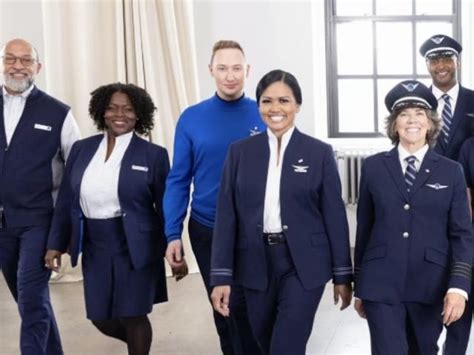
United Flight Attendants Win Major Salary Increases Across Five-Year Deal
At the center of the agreement is a substantial compensation overhaul designed to increase long-term earning potential for flight attendants across every seniority level. The contract phases in salary improvements through August 2026, eventually producing average compensation growth of approximately 31%.
The financial package includes not only structured raises but also retroactive compensation tied to the lengthy negotiation process. Because flight attendants continued working for years under an outdated contract, the newly approved agreement unlocks around $741 million in combined back pay and ratification bonuses.
For many newer hires brought on during the airline industry’s post-pandemic rebuilding phase, the contract could significantly alter career earnings. Union leadership emphasized that thousands of recently hired employees had entered the workforce during a period of operational instability and rapidly rising living costs, making the enhanced pay structure particularly meaningful.
The revised pay scale also improves progression rates throughout a flight attendant’s career. Senior cabin crew members are expected to eventually reach or exceed $100 per hour at the top end of the scale, reflecting how aggressively compensation levels have risen in the competition for experienced aviation workers.
The agreement additionally increases premium pay opportunities tied to specialized assignments, irregular operations, and scheduling conditions that historically placed extra demands on crews without proportional compensation.
Boarding Pay Marks A Major Shift In Airline Labor Standards
One of the most closely watched elements of the contract is the introduction of boarding pay, an issue that has become increasingly controversial across the airline industry.
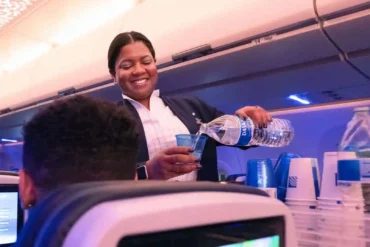
Traditionally, flight attendants at many airlines are only compensated once an aircraft pushes back from the gate. Yet cabin crews routinely begin working long before departure, conducting safety checks, preparing cabins, assisting passengers with seating and baggage, managing boarding conflicts, and addressing operational issues before takeoff.
Under the new agreement, United flight attendants will now receive compensation for these pre-departure responsibilities, formally recognizing boarding as paid labor rather than unpaid preparation time.
The change reflects a growing industry-wide debate over how airlines define working hours for cabin crews. Labor groups have argued for years that the traditional compensation structure failed to account for significant portions of a flight attendant’s actual workload.
The inclusion of boarding pay at a major global carrier like United could create ripple effects throughout the industry. Competing airlines currently engaged in labor negotiations may now face intensified pressure from unions seeking similar compensation reforms.
New Compensation Policies Address Long-Standing Scheduling Frustrations
Beyond headline salary increases, the agreement also tackles one of the most persistent complaints among flight attendants: unpaid time spent waiting between assignments during delays and operational disruptions.
The contract introduces additional compensation for extended ground time and irregular scheduling conditions, commonly referred to by crews as “sit time.” These periods can significantly lengthen a workday without necessarily increasing traditional flight-hour pay.
For flight attendants, the issue has become especially pronounced in the post-pandemic era, where operational disruptions, weather events, staffing shortages, and congested airspace have placed increasing pressure on airline schedules.
Union representatives described the revised scheduling provisions as equally important as the wage increases themselves. While financial gains drew much of the public attention, many crew members had also pushed heavily for quality-of-life improvements that reduce unpredictability and scheduling fatigue.
The updated agreement includes provisions intended to create greater operational stability for employees while acknowledging the physical and logistical demands tied to modern airline operations.
Years Of Negotiations Reflect Broader Industry Labor Tensions
The ratification concludes years of negotiations marked by frustration, rejected proposals, and mounting pressure from union members demanding stronger terms.
Earlier contract drafts reportedly failed to gain enough support among employees who believed the proposals did not adequately address compensation concerns or workplace conditions. Continued bargaining ultimately produced revised economic terms that secured broader approval during the final vote.
The prolonged negotiations unfolded against a backdrop of dramatic change within the aviation industry. Airlines experienced a rapid rebound in travel demand after the pandemic while simultaneously struggling with labor shortages, operational bottlenecks, and rising costs.
Frontline aviation workers increasingly argued that workloads intensified while inflation reduced the real value of stagnant contracts negotiated years earlier. Across the industry, pilots, mechanics, gate agents, and cabin crews have pushed aggressively for contracts reflecting the new economic realities of commercial aviation.
United’s finalized agreement now stands as one of the largest labor settlements completed in the airline sector this year.
United Airlines Gains Stability Ahead Of Peak Summer Travel Demand
For United Airlines management, securing labor peace before the summer travel surge carries enormous operational importance.
Major airlines remain vulnerable to disruptions during peak travel periods, particularly when labor disputes create uncertainty around staffing levels or raise the possibility of strikes. By finalizing the agreement now, United reduces the risk of contract-related turbulence during one of the airline’s most profitable seasons.
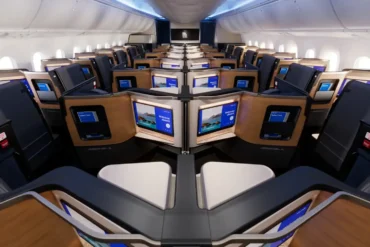
The airline has simultaneously been pursuing aggressive expansion plans, including new international routes, premium cabin investments, and fleet modernization initiatives. Maintaining workforce stability becomes increasingly important as carriers attempt to balance growth with operational reliability.
The contract may also improve employee retention at a time when airlines continue competing intensely for skilled aviation workers. Retaining experienced flight attendants has become strategically valuable as carriers work to avoid staffing shortages that plagued portions of the industry during the travel recovery boom.
Analysts expect other airlines to closely study the structure of United’s agreement, particularly the boarding pay provisions and expanded compensation categories. Those features could quickly emerge as central issues in future negotiations throughout North America’s airline market.
With the dispute finally resolved, United Airlines enters the next phase of its post-pandemic expansion with a significantly altered labor landscape — one likely to influence airline contract negotiations for years to come.