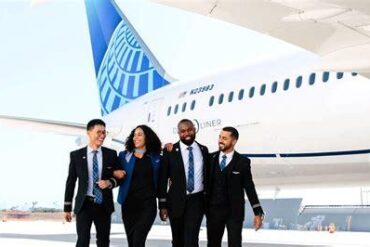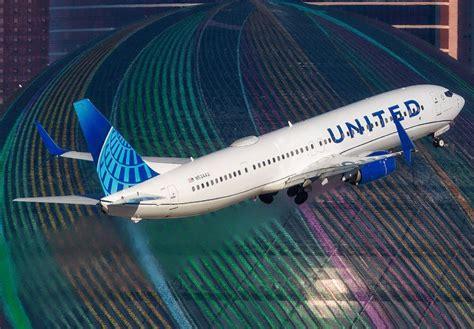
The long-running contract battle between United Airlines and its flight attendants appears to be approaching a dramatic conclusion. After more than five years of tense negotiations, both the airline and the Association of Flight Attendants-CWA (AFA-CWA) indicate that a breakthrough agreement may be imminent. If finalized, the deal would deliver a “top of industry” pay package, potentially making United’s cabin crew the highest-paid flight attendants in the United States over the life of the contract.
The negotiations represent one of the most consequential labor disputes in modern aviation. For nearly six years, United’s 35,000 flight attendants have operated under an amendable contract while pushing for higher wages, better scheduling protections, and compensation for previously unpaid work periods. The new agreement, if approved, would mark a significant turning point in the airline’s labor relations strategy.
Industry analysts view the potential deal as a defining moment for the post-pandemic airline labor landscape, where unions have gained leverage as airlines report strong profits and face persistent staffing challenges.
Negotiations Intensify As Breakthrough Appears Near
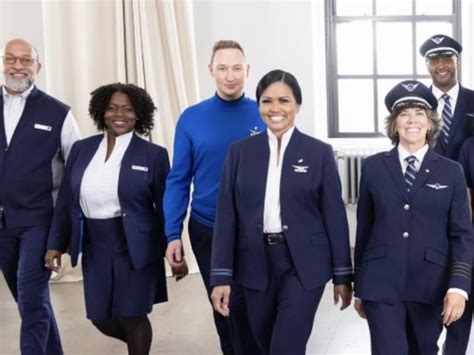
Momentum toward a new contract accelerated during a week of intensive negotiations in Chicago, where representatives from United Airlines and the AFA-CWA reported substantial progress across several key issues. According to internal communications from Nathan Lopp, United’s Vice President of Labor Relations, the discussions have narrowed major gaps between the two sides.
United has proposed wage rates that would elevate its flight attendants to the highest pay scale in the U.S. airline industry over the term of the agreement. This represents a significant shift from earlier offers that were criticized by union members as insufficient relative to the airline’s recent financial performance.
The airline has enjoyed record profitability in recent years, competing closely with Delta Air Lines for the title of America’s most financially successful carrier. That success strengthened the union’s argument that frontline employees should share more directly in the company’s growth.
Beyond wages, negotiators have also reportedly made progress on several contract provisions that have long been priorities for flight attendants. These include improved language governing redeye flight rules, compensation adjustments, and the controversial issue of “sit pay,” which would compensate cabin crew for time spent waiting between flights.
The Contract That Was Rejected
The current round of negotiations follows a dramatic setback last year. In summer 2025, United and the AFA-CWA reached a tentative agreement after months of mediation. Yet when the contract was presented to union members, it was rejected by a decisive margin.
Approximately 71% of voting flight attendants opposed the deal, signaling deep dissatisfaction with several elements of the proposal.
The rejection surprised industry observers, who initially believed the agreement would pass. However, many crew members argued that the proposed contract did not adequately address scheduling concerns and quality-of-life issues, despite offering improved pay.
The vote forced negotiators back to the table and prolonged one of the longest labor disputes in U.S. airline history. Since then, both sides have sought to bridge the gap between wage increases and operational changes that United believes are necessary to remain competitive.
The Scheduling System At The Heart Of The Dispute
At the center of the standoff lies a proposed scheduling model known as the Preferential Bidding System (PBS). United management argues that implementing PBS would modernize crew scheduling and significantly improve operational efficiency.
PBS allows flight attendants to rank preferred routes, schedules, and layovers, with assignments generated algorithmically based on seniority and preferences. Many major airlines already use the system, and carriers often claim it provides greater flexibility for employees.
Yet United’s flight attendants have been reluctant to embrace the proposal.
Critics within the union fear that the system could reduce predictability in schedules and diminish control over assignments, particularly for junior crew members. For flight attendants whose work-life balance already depends heavily on carefully planned schedules, such concerns carry enormous weight.
Some negotiators have explored a hybrid approach, combining elements of PBS with United’s traditional line bidding system, which allows flight attendants to select specific schedules in advance.
Whether the final contract includes full PBS adoption or a compromise structure remains one of the last major unresolved issues.
Strike Threat Temporarily Paused
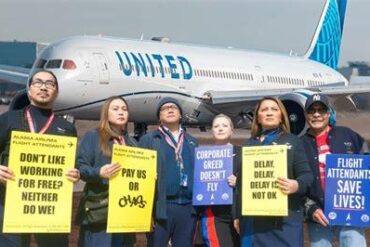
The tension surrounding negotiations recently reached a peak when the AFA-CWA announced plans for a nationwide “Day of Action” protest scheduled for March 19. The event was expected to involve demonstrations by United flight attendants at airports across the country, highlighting the prolonged contract impasse.
However, the union has since suspended the protest, citing meaningful progress during the latest round of negotiations.
While the possibility of a strike has not been explicitly announced, union leadership has repeatedly emphasized that it is prepared to escalate pressure if talks collapse. Under U.S. labor law, airline strikes require several procedural steps before they can occur, meaning any disruption would likely come only after extended mediation.
The next round of negotiations is scheduled to take place in Washington, D.C., from March 24 to March 27, where mediators hope to finalize the remaining terms of the agreement.
A Defining Moment For Airline Labor Relations
The outcome of the United negotiations carries implications far beyond a single airline. Across the aviation industry, unions representing pilots, mechanics, and flight attendants are securing major contract gains after years of pandemic-era uncertainty.
If the proposed agreement is ratified, United flight attendants would secure a landmark compensation package, setting a new benchmark for cabin crew pay across the United States. Other airlines could soon face similar pressure from unions demanding comparable wage increases and improved working conditions.
For United Airlines, resolving the dispute would remove a major source of internal tension while stabilizing relations with a workforce essential to daily operations. For flight attendants, it would mark the end of a grueling multi-year campaign to secure what they believe reflects their role in the airline’s success.
After years of stalled talks, rejected proposals, and mounting frustration, the industry may soon witness the closing chapter of a labor saga that has reshaped expectations for airline employee compensation in the modern era.