When an airline employee violates alcohol policies before a flight, disciplinary action is expected. What made the May 23 incident involving Japan Airlines remarkable, however, was not simply that a senior flight attendant failed an alcohol screening—it was the chain of decisions that followed. The incident ultimately reached the highest levels of the company, resulting in salary reductions for CEO Mitsuko Tottori and numerous executives, another regulatory reprimand, and sweeping policy changes affecting thousands of cabin crew members.
The case demonstrates how aviation safety extends far beyond technical operations. It highlights the importance of organizational culture, regulatory compliance, transparency, and executive accountability in one of the world’s safest transportation industries.
For passengers, the delay lasted only about 40 minutes. For Japan Airlines, the consequences may influence corporate governance and safety procedures for years to come.
A Routine Pre-Flight Check Turned Into a Major Safety Incident
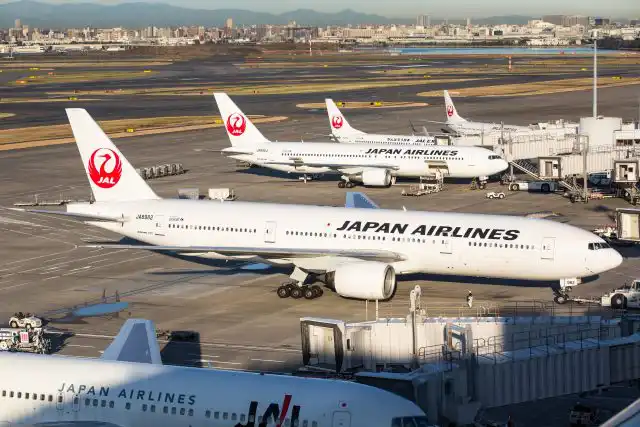
Japan Airlines Flight JL252 was scheduled to operate from Hiroshima to Tokyo Haneda on May 23. Before departure, cabin crew members underwent mandatory alcohol screening, a standard procedure across Japanese airlines designed to verify fitness for duty.
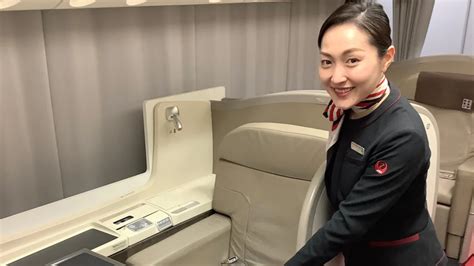
One of the crew members—a chief flight attendant in her 50s—failed the alcohol test. Rather than allowing her to operate the flight, the airline immediately removed her from duty and assigned a replacement. Although the aircraft ultimately departed safely, the crew substitution delayed departure by approximately forty minutes.
The failed test was only the beginning of a much larger investigation. Internal inquiries later revealed that the alcohol reading resulted from deliberate violations of company policy the previous evening, followed by attempts to conceal what had happened.
Rather than becoming an isolated personnel matter, the incident quickly evolved into another high-profile compliance failure for Japan Airlines.
What Actually Happened During the Hiroshima Layover?
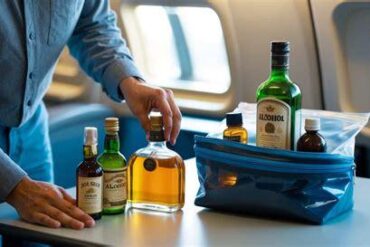
According to the airline’s investigation, the chief flight attendant met another younger cabin crew member at their layover hotel bar shortly after 5:30 p.m. Under Japan Airlines’ long-standing alcohol policy, crew members scheduled for duty the next morning were required to stop drinking by approximately 6:30 p.m. to satisfy the airline’s twelve-hour pre-flight alcohol restriction.
Instead of leaving after one drink, the chief flight attendant reportedly remained at the hotel bar until roughly 9:00 p.m., consuming two beers and two glasses of wine.
The following morning introduced an even more serious problem.
Rather than immediately reporting her alcohol test as required before leaving the hotel, she allegedly delayed the process, hoping additional time would allow her blood alcohol concentration to decrease. Other crew members reportedly encouraged her to complete the procedure correctly, yet she continued delaying the required reporting until arriving at Hiroshima Airport.
Airport testing still showed alcohol above acceptable limits.
The second flight attendant also recorded alcohol close to the legal threshold and informed supervisors that she was not fit to work the flight.
Investigators later concluded that both employees provided inaccurate statements regarding their alcohol consumption during the airline’s internal investigation.
Understanding the Airline’s Strict ‘Bottle to Throttle’ Rule
Most major airlines maintain strict alcohol regulations for pilots and cabin crew because impairment can affect judgment, communication, emergency response, and passenger safety.
The aviation industry commonly refers to these policies as the ‘bottle to throttle’ rule. Although specific requirements vary by airline and regulator, the central principle remains consistent: crew members must allow sufficient time between their last alcoholic drink and reporting for duty.
Japan Airlines applies a strict twelve-hour prohibition before duty begins. In addition, crew members must not exceed prescribed blood or breath alcohol limits while working, with company procedures emphasizing complete compliance.
Japan’s aviation oversight system is considerably stricter than many countries because alcohol screening occurs before virtually every commercial flight rather than relying primarily on random testing.
This means violations are more likely to be detected before aircraft depart, reducing operational risk but also increasing public visibility whenever incidents occur.
Why the Cover-Up Became More Serious Than the Drinking
Alcohol violations alone can lead to suspension or dismissal within commercial aviation. Attempting to hide those violations typically creates a much more serious regulatory issue.
Japan’s Ministry of Land, Infrastructure, Transport and Tourism determined that the crew members not only breached alcohol policies but also attempted to conceal what had happened by providing false information during the investigation.
That conclusion significantly escalated regulatory concern.
Safety management systems depend upon accurate reporting. Airlines constantly investigate operational irregularities to identify weaknesses before they contribute to accidents or larger safety failures. When employees deliberately hide information, management loses the ability to evaluate risk accurately.
For regulators, dishonesty undermines confidence in the airline’s entire compliance culture rather than exposing only individual misconduct.
This distinction explains why government authorities responded with a formal warning despite no passengers suffering injuries and the flight eventually operating safely.
The Executive Pay Cuts That Drew International Attention
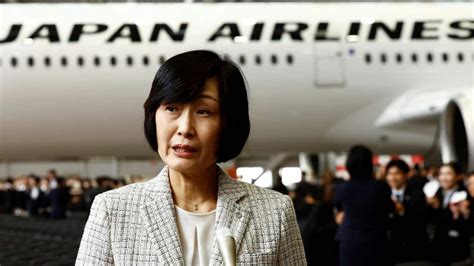
Perhaps the most widely discussed consequence involved executive accountability.
Following the investigation, Japan Airlines announced that CEO Mitsuko Tottori would accept a thirty percent salary reduction for two months. Additional executives—including senior safety and cabin service managers—also received temporary salary reductions ranging from ten to twenty percent.
To many international observers, punishing executives for misconduct committed by front-line employees appeared unusual.
Within Japan, however, such decisions reflect a longstanding corporate philosophy that organizational failures ultimately represent failures of leadership.
Executive pay reductions serve both symbolic and practical purposes. They demonstrate responsibility to regulators, reassure the traveling public that leadership recognizes systemic weaknesses, and reinforce internal expectations that safety is everyone’s responsibility—from new hires to the chief executive.
Because Tottori herself began her career as a flight attendant before eventually leading Japan Airlines, the symbolism became even stronger.
The violation originated within the cabin crew department where she once worked, adding another layer of personal accountability to the company’s response.
A Pattern of Alcohol Incidents Continues to Challenge Japan Airlines
Unfortunately for Japan Airlines, the May incident did not occur in isolation.
During recent years, multiple alcohol-related events involving both pilots and cabin crew have generated regulatory scrutiny.
One of the most widely publicized cases occurred in 2018, when a Japan Airlines pilot was arrested before departing London Heathrow after authorities discovered he was dramatically over the legal alcohol limit.
More recently, pilots operating flights from Melbourne and Honolulu also faced disciplinary action after alcohol-related violations delayed scheduled departures.
Another incident involving a pilot at a Dallas layover hotel forced the cancellation of an international flight after replacement crew members could not be arranged.
Each event reinforced concerns that repeated policy breaches reflected deeper organizational weaknesses rather than isolated lapses in judgment.
By the time the Hiroshima incident occurred, regulators had already instructed the airline to improve its safety management systems.
The latest violation therefore carried additional significance because it suggested previous corrective measures had not fully addressed underlying behavioral issues.
New Policies Affecting More Than 6,000 Flight Attendants
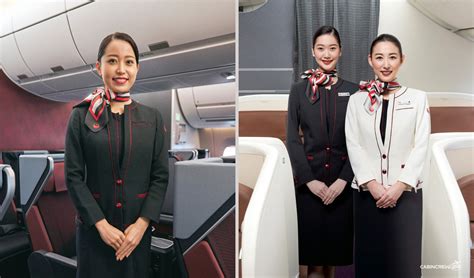
Following the investigation, Japan Airlines introduced one of its most significant alcohol policy revisions in years.
Rather than simply reiterating existing rules, the airline prohibited cabin crew from consuming alcohol during layovers before operating flights.
The restriction applies across the airline’s cabin crew workforce of more than six thousand employees.
Management also committed to reviewing alcohol testing procedures, strengthening reporting requirements, improving safety training, and identifying opportunities to detect violations earlier before employees reach airports.
The objective extends beyond identifying intoxicated crew members.
The airline also wants to discourage concealment by making reporting procedures more consistent, transparent, and difficult to manipulate.
These reforms were introduced while Japan’s aviation ministry required the airline to submit comprehensive corrective plans demonstrating how future incidents would be prevented.
Why Japanese Corporate Accountability Looks Different
One of the most fascinating aspects of this story involves Japanese corporate culture.
In many countries, executives emphasize that individual employees must accept responsibility for personal misconduct. Japanese companies frequently adopt a broader interpretation.
When public confidence suffers, senior leadership often assumes moral responsibility even if executives had no direct involvement in the underlying event.
Salary reductions, public apologies, resignations, and visible expressions of accountability are intended to rebuild trust rather than merely assign blame.
Japan Airlines has repeatedly demonstrated this philosophy throughout its history.
Past chief executives voluntarily reduced salaries, eliminated executive privileges, and publicly accepted responsibility during difficult financial periods and operational crises. One former CEO even became known for commuting by bus and eating alongside employees in the company cafeteria to demonstrate solidarity during challenging times.
Viewed through this cultural lens, Mitsuko Tottori’s salary reduction becomes less surprising. It represents continuity with longstanding Japanese leadership traditions emphasizing responsibility above personal fault.
Can Pay Cuts Really Change Employee Behavior?
The larger question remains whether executive accountability alone can solve recurring operational problems.
Supporters argue visible leadership sacrifices reinforce organizational values and encourage stronger compliance throughout the workforce.
Critics counter that repeated executive pay reductions lose effectiveness if similar incidents continue occurring despite previous reforms.
The Japan Airlines case illustrates both perspectives.
Leadership consistently accepts responsibility, regulators continue demanding improvements, and policies become progressively stricter. Yet alcohol-related violations have continued appearing over successive years involving different employee groups.
This pattern suggests sustainable improvement may depend less on symbolic accountability and more on strengthening everyday safety culture, improving early intervention, expanding education, encouraging honest reporting, and ensuring employees recognize that transparency will always produce better outcomes than concealment.
Aviation safety has long relied upon employees voluntarily reporting mistakes before they become accidents. Any organizational culture that discourages honesty ultimately increases operational risk.
How Japan Airlines Compares With Other Japanese Carriers
Japan Airlines is not alone in confronting alcohol-related crew issues.
All Nippon Airways has also experienced several incidents involving alcohol testing failures, prompting the airline to strengthen its own procedures.
ANA ultimately adopted an even stricter approach by extending its pre-flight alcohol prohibition from twelve hours to twenty-four hours while requiring completely clean breathalyzer readings before duty.
These developments reflect broader trends across Japanese commercial aviation.
Rather than relying primarily on random screening, Japanese airlines increasingly emphasize universal testing, detailed documentation, and proactive compliance monitoring before every scheduled departure.
Although this approach inevitably produces more publicly reported violations than systems relying on random testing alone, it also provides greater assurance that impaired crew members never reach the aircraft.
The Bottom Line
The Hiroshima incident delayed only one domestic flight, but its impact reached every level of Japan Airlines. What began as an individual decision to continue drinking during a layover evolved into false reporting, regulatory intervention, executive pay cuts, and sweeping operational reforms.
The episode serves as a reminder that aviation safety depends not only on sophisticated aircraft and highly trained professionals but also on honesty, accountability, and organizational trust.
Japan Airlines has apologized publicly, strengthened its alcohol policies, prohibited pre-flight layover drinking for cabin crews, and committed to improving internal oversight. Whether these measures finally break the cycle of recurring alcohol-related incidents will determine if the latest executive sacrifices represent meaningful organizational change or simply another chapter in a continuing pattern.
For passengers, confidence ultimately depends not on public apologies or executive salary reductions, but on consistent evidence that every flight departs with a crew fully prepared, completely compliant, and worthy of the trust placed in them every day.