In an industry as dynamic and competitive as aviation, aspiring flight attendants without prior experience face the unique challenge of demonstrating their potential through strategic storytelling and personalized messaging. A well-written cover letter becomes not just an introduction but a bridge to opportunity. For those determined to break into the airline industry, especially with no direct job history in the field, the cover letter is your primary persuasive tool—an opportunity to highlight transferable skills, express genuine enthusiasm, and reflect a customer-centric mindset aligned with airline values.
Flight attendants represent the brand of the airline in the sky. Even without experience, candidates who understand the responsibilities of cabin crew, embrace cultural diversity, and exhibit service excellence can stand out. In this comprehensive guide, we will break down the key elements of a flight attendant cover letter tailored for first-time applicants and explore how thoughtful writing can outperform experience.

Why Airlines Value Soft Skills Over Experience
While prior experience in the airline industry can give candidates an edge, many major carriers recognize the value of trainable talent—those with a natural disposition for service, safety, and adaptability. Airlines such as WestJet, Air Canada, and Porter Airlines have previously hired entry-level flight attendants based solely on demonstrated interpersonal capabilities.
Key traits airlines seek include:
- Empathy and communication: the ability to de-escalate situations and make passengers feel safe and welcome.
- Adaptability under pressure: essential when navigating delays, emergencies, or difficult customer interactions.
- Team collaboration: working seamlessly with fellow crew to deliver consistent service and ensure safety.
These characteristics, often cultivated through retail, hospitality, volunteer work, or school leadership roles, should form the narrative backbone of your cover letter.
Structuring a Compelling Cover Letter with No Experience
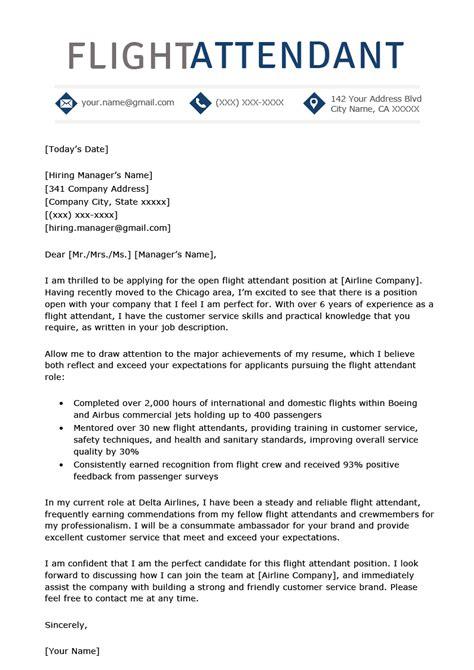
The structure of a cover letter must be both clean and intentional. For aspiring flight attendants, this layout is particularly crucial in showing attention to detail—an airline core value.
Opening Paragraph: Immediate Relevance and Passion
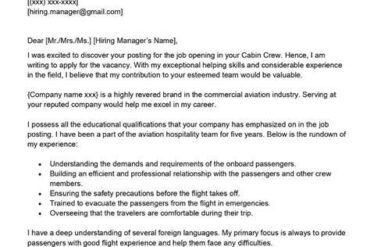
Begin your cover letter with a clear declaration of your intent to join the airline as a flight attendant. Include the airline’s name and reflect familiarity with its brand values, mission, or customer philosophy. Express genuine passion for both aviation and customer service.
Example: “I am thrilled to submit my application for the flight attendant position at SkyLine Airways. Your commitment to safety, diversity, and personalized passenger care deeply aligns with my career aspirations in aviation.”

Middle Paragraphs: Building a Case Through Transferable Skills
This section should do the heavy lifting. Describe your academic background, any relevant coursework, and extracurricular experiences that speak to your customer service, conflict resolution, multilingual ability, or leadership.
Even without airline-specific training, you can demonstrate your readiness by referencing:
- Volunteer positions involving public interaction.
- Experience managing difficult conversations or resolving complaints.
- Cultural exposure or travel experience.
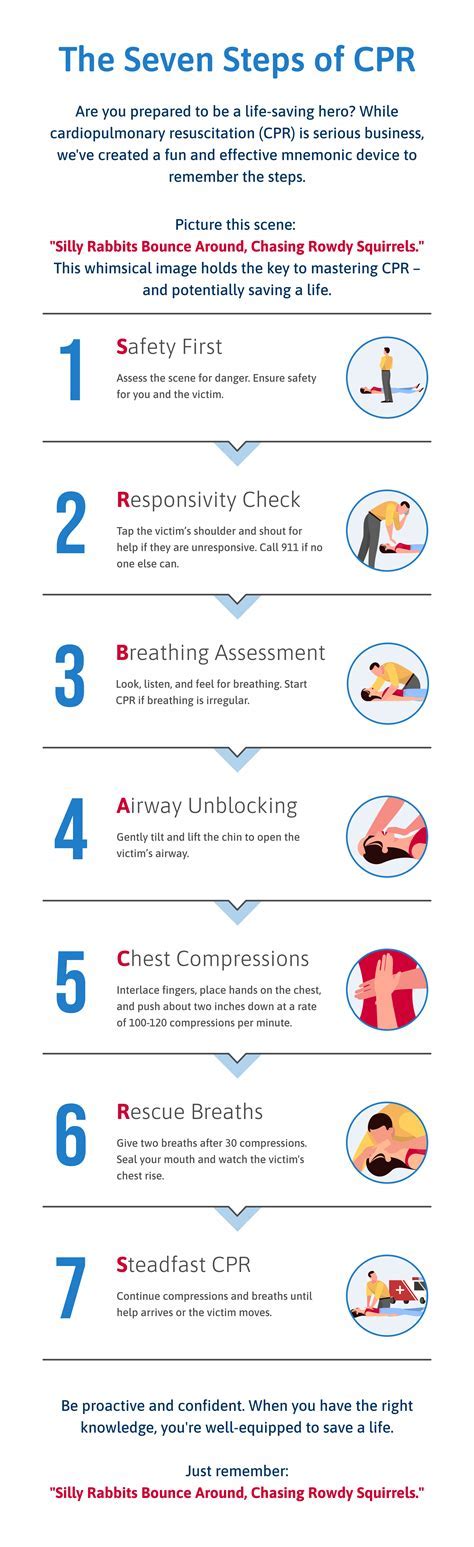
- CPR or first aid certifications.
For example:
“During my two summers as a guest service coordinator at Bluewave Resort, I regularly assisted over 150 guests daily. My ability to remain calm, attentive, and proactive in handling guest concerns taught me the importance of patience, diplomacy, and anticipating needs—qualities I’m confident will serve me well onboard.”
Closing Paragraph: Gratitude and Enthusiastic Availability
Reaffirm your enthusiasm and availability. Offer a polite call to action and communicate your openness to attend interviews, complete assessments, or join airline-specific training programs.
“I would be honored to learn more about how I can contribute to the passenger experience at Northern Air. I welcome the opportunity to attend your next training intake and am happy to interview at your convenience.”
Positioning Your Letter for Maximum Impact
Tailor It to the Airline
Each airline has a unique ethos. A cover letter that mentions specific campaigns, fleet expansions, or sustainability commitments reflects initiative and attention to detail. For instance, if applying to an airline that just opened new routes to Asia, noting your fluency in Mandarin or cultural interest in East Asia is a strategic differentiator.
Proofread Like a Professional
Spelling or grammar mistakes reflect poorly in a role where clarity and professionalism are non-negotiable. Read your cover letter aloud. Use tools like Grammarly or Hemingway Editor, and ask mentors or peers in the aviation or service industry to critique it.
Include a Well-Formatted Header
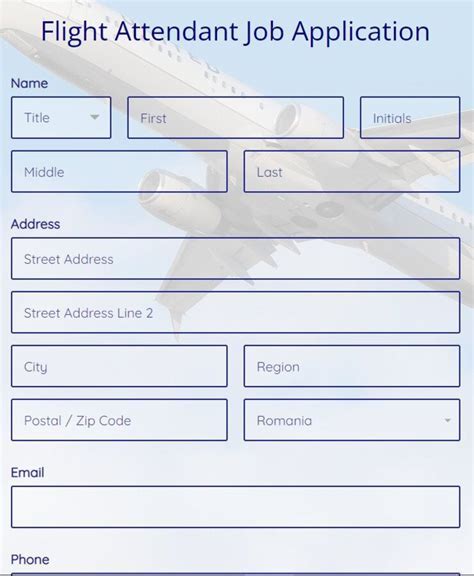
While digital applications often extract this data automatically, your cover letter should always include:
- Full name
- Phone number
- Email address
- City and province
- Date
- Name of the airline
This communicates both formality and professionalism, especially when applications are reviewed manually.
Demonstrating Readiness for Flight Attendant Demands
Being a flight attendant is physically and emotionally demanding. Candidates can score major points in their cover letter by acknowledging this and proactively sharing how they have prepared:
- Fitness routines showing stamina.
- Customer-facing job examples showcasing conflict management.
- Willingness to relocate or accept variable shifts.
- Awareness of grooming standards and uniform compliance.
“Understanding the physical demands of air travel, I maintain an active lifestyle through running and strength training to ensure I can perform my duties effectively even across time zones.”
Leveraging Certifications and Academic Credentials
Even a high school diploma paired with certifications can convey capability. If you’ve completed or are pursuing training in:
- Emergency First Aid
- WHMIS (Workplace Hazardous Materials Information System)
- Conflict De-Escalation
- Hospitality Management
…mention it explicitly and include the issuing institution.
“I recently completed a Red Cross Emergency First Aid certification and am eager to apply this knowledge in the highly responsible role of flight crew.”
Sample Closing Statement
“Thank you for considering my application to be part of your esteemed cabin crew. I am enthusiastic about the prospect of learning from your experienced team and contributing to a safe, welcoming, and memorable flight experience for all passengers.”
FAQs
What if I don’t have customer service experience?
Even if you haven’t worked in traditional service roles, experiences such as tutoring, organizing events, or working in group settings at school can reflect the interpersonal and communication skills airlines value. Be specific about how those experiences required patience, cooperation, or handling pressure.
Should I include a resume with my cover letter?
Yes. A concise, skills-focused resume should always accompany your cover letter. Emphasize soft skills, training programs, extracurricular activities, and any international exposure or language abilities.
How long should my cover letter be for a flight attendant job?
Ideally, your cover letter should be no more than one page, typically around 300–400 words. While the writing must be detailed, it should also be focused and skimmable by HR professionals scanning dozens of applications.
By carefully weaving together ambition, transferable strengths, and an understanding of airline expectations, even applicants with no prior flight experience can deliver a high-impact cover letter that captures attention and opens cabin doors.