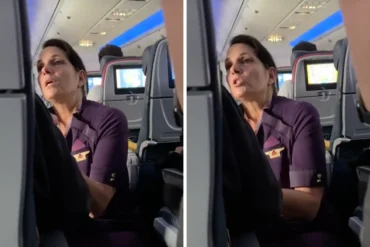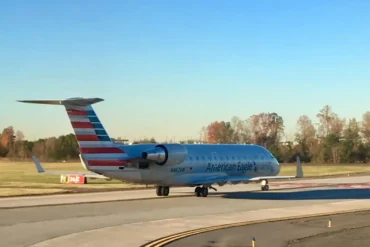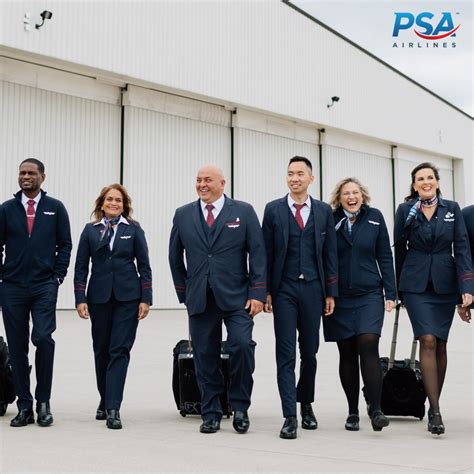
American Airlines’ latest labor agreement has caused a stir in the airline industry, marking a significant shift in the relationship between management and labor unions. In an unexpected turn of events, CEO Robert Isom has earned rare praise from a union leader after PSA Airlines, a regional airline operating under the American Eagle brand, reached a tentative three-year contract with its flight attendants. The deal offers substantial pay raises, improved benefits, and enhanced working conditions, setting a new standard for regional airline employees.
A Landmark Deal for PSA Airlines Flight Attendants
The recently negotiated agreement between PSA Airlines and its flight attendants promises a remarkable 50% pay rise over the course of the contract. At the heart of the deal lies an immediate 10% wage increase, with additional pay boosts through retroactive pay and future wage-scale raises. But what truly sets this agreement apart is the introduction of boarding pay. This long-awaited change compensates flight attendants for the significant time spent boarding passengers, a crucial aspect of regional flights where the boarding process can be particularly lengthy. Union leaders estimate that this new boarding pay could increase overall earnings by 15-16%, bringing the total compensation increase to an impressive 30-50%.
For many regional airline workers, this agreement represents a long-overdue acknowledgment of their essential role in American Airlines’ operations. Regional crews have long struggled with issues of low compensation, high turnover, and insufficient benefits, and this deal addresses several of those concerns directly. The combination of immediate pay raises, retroactive pay, and more favorable scheduling terms ensures that employees not only receive financial relief but also gain more control over their work-life balance.
Why American Airlines Is Embracing Change
For American Airlines, this deal is more than just a response to labor demands—it’s a calculated move to secure operational stability. Regional flight crews are the backbone of the airline’s network, ensuring smooth connections and supporting key hubs and smaller markets. However, staffing shortages, flight crew churn, and thin reserve coverage can quickly disrupt operations, leading to cancellations and delays that affect the broader network. By securing a more favorable contract with PSA flight attendants, American Airlines is aiming to reduce turnover, enhance employee satisfaction, and ultimately improve service reliability.
The airline has faced criticism from other unions, especially in light of their discontent with management’s approach to compensation and workplace conditions. However, this deal with PSA provides a rare opportunity for American Airlines to restore some credibility with its workforce. The airline industry is fiercely competitive, with major players like Delta and United offering attractive profit-sharing packages to retain top talent. As American Airlines seeks to enhance its recruitment and retention efforts, the PSA deal provides a much-needed step in the right direction.
The Impact of the PSA Deal on Union Relations
While American Airlines has often found itself at odds with its unions, the PSA deal offers a glimmer of hope for improving labor relations. Sara Nelson, a prominent union leader, publicly credited Isom’s direct involvement in negotiations as a key factor in securing the agreement. This marks a rare instance of a union leader praising the CEO’s engagement in labor talks, which have historically been contentious.
For employees, the new contract offers much-needed improvements in compensation, benefits, and job satisfaction. Flight attendants, who have long been excluded from compensation for time spent boarding passengers, now have the opportunity to earn additional pay for this crucial part of their workday. This, combined with a more generous pay scale, retroactive pay, and improvements to scheduling flexibility, has created a contract that addresses both immediate financial needs and long-term career satisfaction.
For union leadership, the shorter three-year term of the contract offers another advantage: leverage. With this relatively brief term, the union will have the ability to revisit negotiations sooner, ensuring that any changes in the airline’s financial performance or labor market conditions can be addressed more swiftly. This tactic allows the union to respond proactively to any future shifts in pay trends or profit-sharing arrangements.
The Bigger Picture: Labor Peace in Exchange for Compensation
From a broader perspective, this deal signals a shift towards a more balanced relationship between labor and management at American Airlines. While labor unions have frequently voiced dissatisfaction with the airline’s leadership, the PSA agreement demonstrates that meaningful improvements can be achieved through direct engagement and negotiation. For American Airlines, this agreement provides a pathway to increased operational reliability, reduced turnover, and improved employee morale—an essential combination for maintaining its competitive edge in the aviation industry.
The deal also signals that labor peace, while expensive, can be achieved through well-calibrated agreements that address both immediate and long-term concerns. For American Airlines, the 30-50% pay increase, along with the added benefits and improvements to working conditions, represents a significant investment in its workforce. In exchange, the airline gains greater stability and confidence from its employees, which is crucial in an industry that operates under constant pressure from both competition and fluctuating demand.
Conclusion: A Step Toward Stability and Success
The landmark PSA Airlines deal is a win for employees, management, and passengers alike. With immediate pay raises, retroactive pay, and the introduction of boarding pay, the agreement offers a substantial boost to the financial well-being of PSA flight attendants. Meanwhile, American Airlines stands to benefit from increased operational stability, reduced employee turnover, and a restored sense of trust within its workforce. As the airline industry continues to navigate the challenges of a post-pandemic world, agreements like this one could pave the way for a more harmonious and sustainable future for both airlines and their employees.