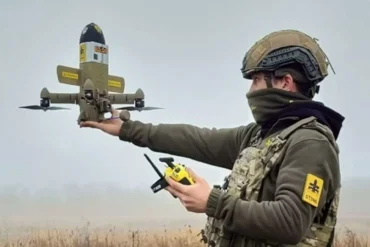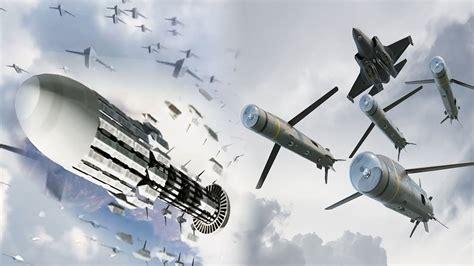
The age of low-cost aerial warfare has arrived, and Ukraine’s relentless, innovative drone tactics have sent a clear, ominous warning to global powers: sophisticated, expensive defense systems can be upended by compact, inexpensive, weaponized drones. For the United States, which has long prided itself on technological superiority, this wake-up call is forcing a swift and strategic pivot.
The stunning success of Ukraine’s recent drone attacks against Russian strategic bomber fleets—particularly the June 1 assault that reportedly damaged or destroyed multiple aircraft—has spotlighted the vulnerabilities of even the most well-defended military assets.
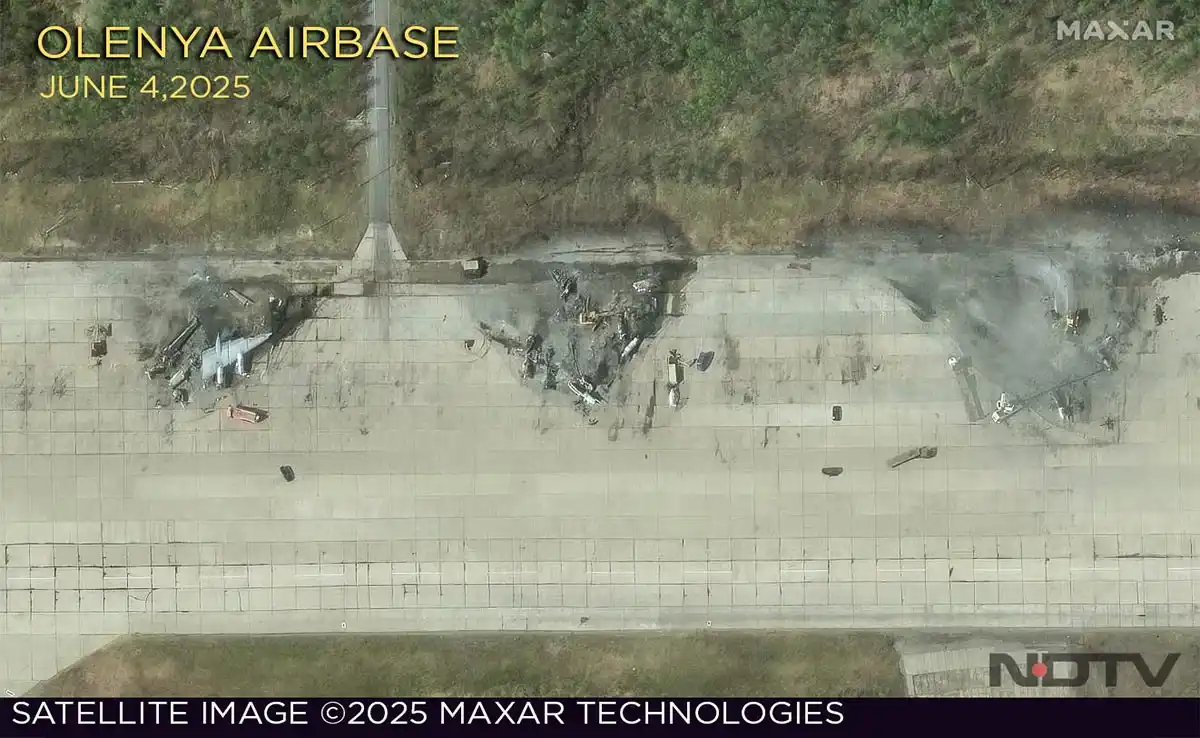
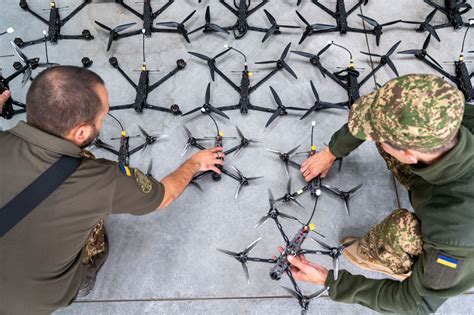
These assaults were executed not by multimillion-dollar military aircraft, but by first-person view (FPV) drones that cost less than $1,000 and can be purchased online. Equipped with explosives and navigated using off-the-shelf goggles and controls, these devices exposed the soft underbelly of static, high-value targets.
A Growing Threat on U.S. Soil
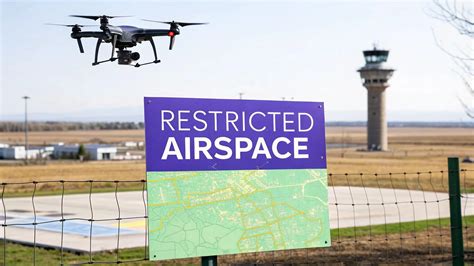
What was once considered a foreign battlefield issue has now become a domestic security emergency. In 2024 alone, U.S. Northern Command recorded over 350 drone incursions into restricted airspace around domestic military bases. While many of these were attributed to hobbyists, officials now believe a significant portion may have been reconnaissance missions by foreign adversaries—or worse, dry runs for future attacks.
A senior U.S. military official warned that a mass-casualty drone event on American soil is only a matter of time, and without effective deterrents, the country remains alarmingly exposed. Major public venues, like stadiums or power grids, are especially vulnerable, sharing many of the same characteristics—fixed locations, predictable activity, and insufficient countermeasures—as the Russian airfields struck by Ukraine.
The Pentagon’s Technological Blindspot
Despite nearly $1 trillion in annual defense spending, the Pentagon remains dangerously behind in the race to neutralize small, weaponized drones. The defense apparatus, designed around large-scale, conventional warfare, has struggled to keep pace with the evolving dynamics of asymmetric threats.
Two decades ago, the U.S. led the drone revolution with platforms like the Predator and Reaper, which provided persistent surveillance and precision strikes across Iraq and Afghanistan. However, these platforms—such as the $28 million MQ-9 Reaper—are designed for large-scale operations and cannot be deployed en masse or cheaply replicated.
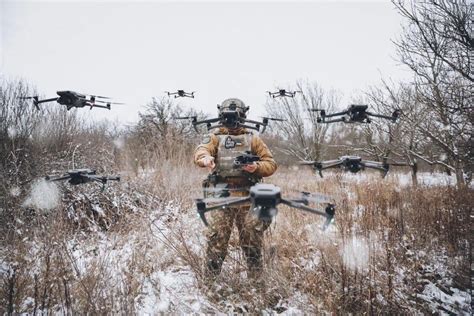
In stark contrast, Ukraine has demonstrated that swarms of low-cost drones—many assembled using commercially available parts—can neutralize billion-dollar assets in a single coordinated attack. The FPV drones used in Ukraine’s June 1 strike were steered manually in real-time by pilots wearing headsets, guiding their payloads with alarming precision to static targets deep within Russian territory.
Inside the New Arms Race: Counter-Drone Warfare
The Pentagon is now urgently investing hundreds of millions into counter-drone technologies, yet officials acknowledge there’s still no comprehensive solution. The threat posed by drone swarms is especially challenging because it stretches existing detection and response frameworks beyond their capabilities.
Defense measures under development or already in use include:
- Electronic jamming devices to sever communication links between drones and their operators
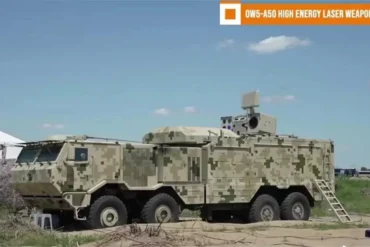
- Directed-energy weapons capable of shooting down drones with high-powered lasers
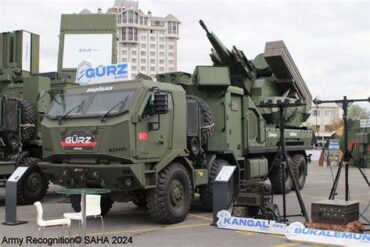
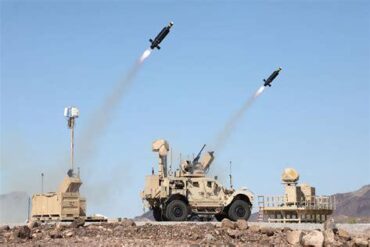
- Missile-based systems designed to intercept drones from a distance
- Shotgun-like weapons and nets for neutralizing drones at close range
Still, each of these countermeasures comes with limitations, particularly against drone swarms, which are designed to overwhelm and outnumber defensive systems.
From Jordan to Washington: The Stakes Are Rising
The threat is no longer theoretical. In January 2024, a deadly drone strike on a U.S. outpost in Jordan killed three American soldiers while they slept. The drone bypassed existing defenses and crashed directly into their quarters, a chilling testament to the lethality and precision of this emerging class of weapon.
The attack shocked defense planners and added urgency to the Pentagon’s counter-drone initiative, which now includes a $500 million emergency funding request. Officials across the Department of Defense, as well as members of Congress, are pushing to ramp up development, acquisition, and deployment of advanced countermeasures.
Ukraine’s Innovation Engine
At the heart of this global shift is Ukraine’s innovation under fire. Outgunned and outnumbered, Ukraine’s defense forces have leaned heavily on low-cost, high-impact technology to counter Russia’s conventional advantage. What began as a necessity has evolved into a doctrine: leverage agility, creativity, and affordability.
The country has rapidly iterated on drone design, deploying FPV models capable of navigating around jamming, carrying increasingly heavy payloads, and even using artificial intelligence for object recognition. Ukrainian engineers are now tweaking designs weekly in response to battlefield feedback, an agility rarely seen in the Pentagon’s decades-long procurement cycles.
Army Secretary Dan Driscoll told Congress: “At a cost of mere tens of thousands of dollars, Ukraine inflicted billions in damage, potentially setting back Russia’s bomber capabilities for years.”
Military Planners and Lawmakers Sound the Alarm
The defense community’s internal assessment is stark. “We’re not even close,” the senior official said, referring to efforts to effectively counter the threat. “No one is.”
Senator Roger Wicker, who chairs the Senate Armed Services Committee, echoed these concerns in a recent hearing. “Congress is prepared to spend billions to protect our people and our assets,” Wicker said. However, he emphasized that funding alone is not enough—a fundamental change in how threats are detected, prioritized, and neutralized is needed.
Driscoll didn’t mince words. “We are not doing enough. The current status quo is not sufficient.”
What Comes Next: A Defensive and Strategic Revolution
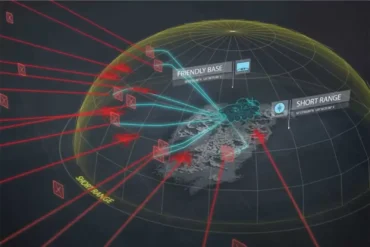
The traditional model of air defense—radars, interceptors, surface-to-air missiles—is simply not built for the sheer volume, speed, and decentralization of modern drone threats. This new era demands a layered defense architecture that can react to, neutralize, and even preempt attacks in real time.
Emerging strategies include:
- Integrating AI into detection systems to recognize drone swarms faster than human operators
- Deploying mobile anti-drone units that can follow high-value assets and respond instantly
- Developing self-learning systems that adapt to new drone designs and tactics
Furthermore, inter-agency coordination—between the military, DHS, FAA, and private sector—is being reexamined to better manage threats that blur the lines between foreign attack and domestic terrorism.
The Civilian Spillover and Dual-Use Dilemma
Weaponized drones are not confined to the battlefield. Civilian sectors are also exposed. From power plants and public events to political gatherings and critical infrastructure, the same vulnerabilities apply. Worse, the technology used in militarized drones is often indistinguishable from hobbyist equipment.
A drone that can be purchased online, modified at home, and controlled via a smartphone can become a weapon in the hands of a lone actor. This creates a law enforcement and regulatory nightmare—how do you stop what you can’t distinguish?

Conclusion: A Fast-Approaching Crisis Point
The U.S. can no longer afford to treat small drones as minor nuisances or recreational toys. In Ukraine, they’ve upended a superpower’s air force. In Jordan, they’ve killed American soldiers. And here at home, they’ve already infiltrated restricted zones by the hundreds.
A strategic and technological overhaul is now underway, but time is not on the Pentagon’s side. As drone technology continues to evolve—and adversaries get bolder and more creative—the imperative is clear: cheap, fast, and armed is the new standard of warfare, and America must be ready to fight fire with fire.