The U.S. Department of Defense, under the directive of Defense Secretary Pete Hegseth, has unveiled a transformative strategy to redefine military drone warfare. This aggressive initiative—spurred by Executive Order 14307, signed by President Trump on June 6, 2025—aims to empower American warfighters by granting them direct access to procure and deploy small, low-cost unmanned aerial vehicles (UAVs). The changes mark a dramatic departure from traditionally slow-moving bureaucratic systems and signal a shift toward treating drones as consumable battlefield assets rather than expensive, highly protected military hardware.
Hegseth’s Vision: Speed, Flexibility, and Warfighter Autonomy
At the heart of Hegseth’s memo lies a clear message: eliminate red tape and decentralize authority. Officers at the level of colonel or Navy captain will now have the power to purchase, test, and integrate drones into their units’ operational training without seeking top-level authorization. This includes commercial off-the-shelf UAVs, 3D-printed models, and any rapidly developed or locally sourced platforms.
“The department’s bureaucratic gloves are coming off,” Hegseth stated in his memo. “I am rescinding restrictive policies that hindered production and limited access to these vital technologies.”
The implications of this move are profound. For the first time, drone procurement will mirror the flexibility and urgency of munitions purchasing, allowing combat units to integrate UAVs into both real-world missions and simulated war games with minimal delay. This is especially relevant given the evolving tactics observed in ongoing global conflicts, where drones have become not just eyes in the sky but frontline weapons.
Reclassifying Drones: From Assets to Ammunition
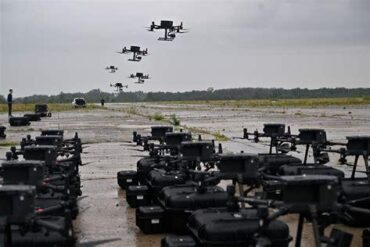
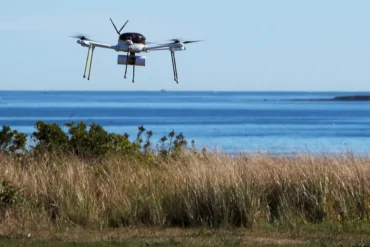
A pivotal component of Hegseth’s plan is the reclassification of Group 1 and Group 2 UAVs—the smallest categories of drones used by the military. These systems, which typically weigh under 55 pounds, will now be treated as consumables, akin to bullets or rockets, rather than durable military property.
This classification change allows for:
- Faster ordering and replenishment without complex asset tracking
- Greater willingness to use drones aggressively, knowing replacement is inexpensive
- Elimination of inventory bottlenecks and procurement bureaucracy
The memo emphasizes that small UAVs are more akin to munitions than aircraft, noting their role as expendable attack assets. “They should be cheap, rapidly replaceable, and categorized as consumable,” the directive states.
A Response to Modern Drone Warfare
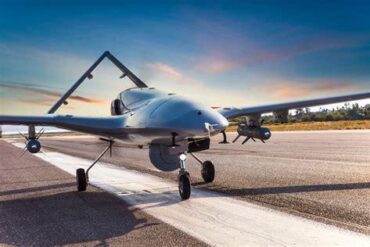
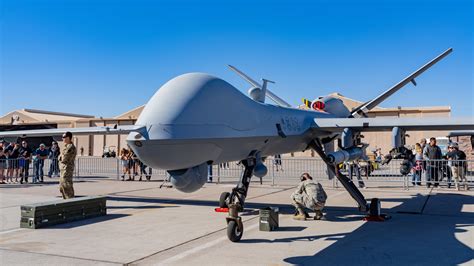
The United States military has historically dominated the skies with high-end platforms such as the MQ-1 Predator and MQ-9 Reaper. These drones revolutionized warfare in Iraq and Afghanistan, offering real-time intelligence and surgical strike capabilities with low risk to American personnel.
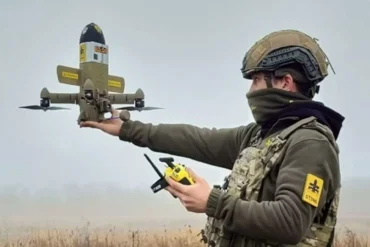
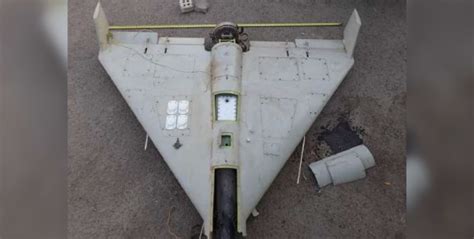
However, the landscape has changed. Today, countries with limited defense budgets—notably Russia, Ukraine, and Iran—are redefining drone warfare with cheap, mass-produced kamikaze UAVs. These drones don’t rely on advanced sensors or stealth. They are instead launched en masse, often carrying explosives and relying on simple GPS guidance.
- In the Russia-Ukraine conflict, thousands of kamikaze drones have been launched to devastate infrastructure and frontline positions.
- Iran has deployed similar UAVs against Israel in 2024 and again in June 2025, showcasing how these disposable weapons are now core to modern combat doctrine.
Closing the Drone Gap with Global Adversaries
Hegseth’s drone surge comes with a clear strategic intent: to prevent the U.S. from falling behind. China, while not actively involved in drone warfare, looms large in the background. DJI, the Shenzhen-based giant, produces roughly 90% of the world’s consumer drones, many of which have been repurposed for combat in Ukraine and the Middle East.
The memo warns that America’s current posture is too conservative in the face of this rapidly evolving threat. “Drone technology is advancing so rapidly, our major risk is risk-avoidance,” Hegseth warned, highlighting the urgency of overhauling how the Pentagon views and manages UAV assets.
New FAA Partnership and Training Protocols
To support this massive drone surge, the Department of Defense is now working with the Federal Aviation Administration (FAA) to remove outdated airspace restrictions that have long hampered domestic UAV operations. The goal is to:
- Enable more live-fire training exercises involving drones
- Develop swarm warfare scenarios in real-world conditions
- Fast-track certifications and clearances for experimental drone tech
By creating designated drone training zones and simulation ranges, the Pentagon will allow military personnel to practice deploying drones in dynamic, fast-evolving environments that reflect modern combat.
Building a National Drone Supply Chain
Another cornerstone of the initiative is the creation of a comprehensive, searchable database of American drone vendors and component suppliers. This system is intended to:
- Streamline purchasing of U.S.-made UAVs
- Reduce dependency on foreign parts, especially from China
- Foster competition and innovation among domestic manufacturers
With hundreds of emerging UAV startups and legacy defense firms vying for contracts, the database will allow procurement officers to match mission needs with appropriate, cost-effective hardware quickly.
Looking Ahead: Institutional Shifts and Battlefield Realities
This isn’t just a procurement change—it’s a paradigm shift. The military is being instructed to stop viewing drones as delicate assets and start treating them as expendable tools of modern warfare. The result could be a battlefield dominated by small, nimble, intelligent flying machines capable of both autonomous reconnaissance and targeted strikes.
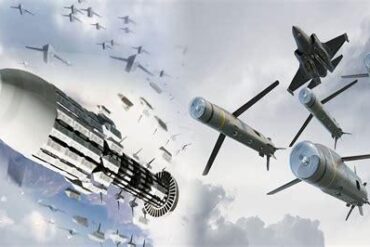
Already, combat units are experimenting with drone swarms, AI-based navigation, and modular UAV platforms that can be outfitted with payloads ranging from cameras to high explosives. With new rules in place, innovation at the edge—among soldiers, engineers, and forward-deployed teams—can thrive without bureaucratic slowdown.
Implications for Future Warfare
This drone surge signals a fundamental shift in U.S. military doctrine: cost-effective, mass-deployable weapons will define the next generation of combat. While legacy platforms like the F-35 and B-21 remain essential for air dominance, low-end asymmetric systems will increasingly determine success in contested theaters.
The U.S. now recognizes that strategic advantage doesn’t always lie in expensive platforms but in the ability to iterate fast, deploy often, and overwhelm the enemy with volume and versatility. Hegseth’s plan is not just about hardware—it’s about unleashing the ingenuity of the American warfighter and reclaiming technological momentum from near-peer adversaries.
In a world where a $500 drone can destroy a $5 million tank, the Pentagon’s posture must be agile, relentless, and scalable. With this sweeping directive, the Department of Defense is finally moving to embrace that reality—and reshaping the battlefield of the future.