Ukraine’s defense ambitions are undergoing a transformative shift as the nation accelerates its domestic drone production, targeting an unprecedented output of 5 million drones per year. Against the backdrop of a prolonged war with Russia and uncertainty surrounding foreign military aid, Ukraine is positioning itself not only as a battlefield innovator but also as a future exporter of combat-ready drone technology. The scale, urgency, and strategic foresight of this industrial surge offer a compelling case study in wartime innovation and defense self-reliance.
A Wartime Imperative: Drones Redefining Modern Combat
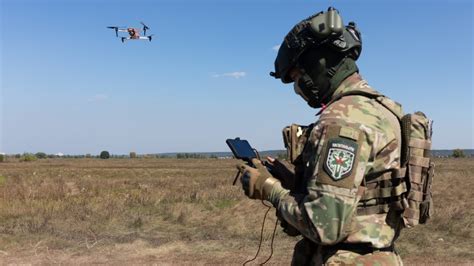
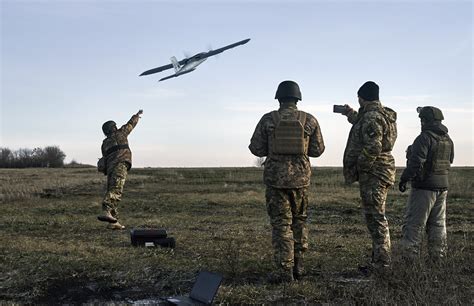
Since Russia’s full-scale invasion in 2022, drones have become indispensable assets on the Ukrainian battlefield, now accounting for an estimated 70% of casualties on both sides. These figures underscore how unmanned aerial systems (UAS) have shifted from peripheral reconnaissance tools to central pillars of tactical and strategic operations.
In March 2024 alone, Ukrainian forces launched over 77,000 drone attacks, demonstrating not just scale but operational intensity. These operations highlight drones’ dual utility: precision strikes on enemy targets and real-time intelligence gathering. Ukraine’s forces are adapting rapidly, using front-line feedback loops to refine design and deployment tactics in near-real time.
Industrial Mobilization: Scaling to Millions
Ukrainian officials have confirmed that over 2 million drones were manufactured in 2024, a number that speaks volumes about the country’s rapid industrial pivot. The new goal—5 million drones annually—is ambitious but strategically essential. Ukraine’s intent is not only to sustain its own defense but also to emerge as a key player in Europe’s defense architecture.
Companies like 3DTech, a Kyiv-based drone manufacturer, are at the heart of this industrial mobilization. According to CTO Oleksii Zhulinskiy, the company engages in daily communication with soldiers to improve design features and solve problems in real time. This battlefield feedback has proven invaluable in shortening the innovation cycle.
3DTech is now producing up to 3,000 drones per month, a figure that is set to grow as production lines expand and funding increases. Meanwhile, the Ukrainian government has earmarked $2.6 billion in 2025 alone for first-person view (FPV) drone procurement, a sign of how central drones have become to defense planning.
R&D Meets Combat: Ukraine’s Unique Testing Ground
What sets Ukraine apart from traditional arms manufacturers is its real-time R&D environment. Unlike Western defense firms, which often test prototypes in controlled settings, Ukrainian manufacturers operate in a live combat zone. This environment accelerates design iterations, operational testing, and deployment cycles.
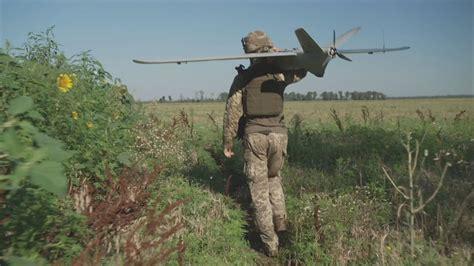
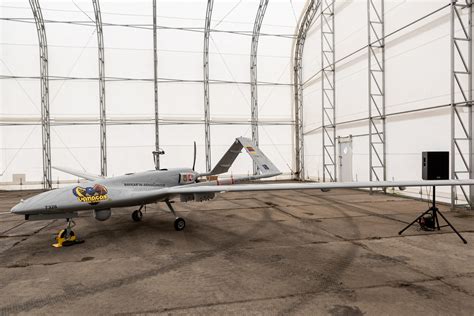
The Ukrainian drone ecosystem is evolving rapidly, blending commercial off-the-shelf components, open-source software, and battlefield feedback to deliver high-performance units under tight deadlines. These drones range from small surveillance quadcopters to larger strike-capable systems, adapted for both urban warfare and open terrain.
Supply Chain Challenges and Fiscal Constraints
Despite the momentum, Ukraine’s drone production faces serious headwinds. Chief among them is the issue of supply chain vulnerability. Raw materials, particularly microelectronics and composite materials, are often imported, leaving manufacturers exposed to international market fluctuations and potential sanctions disruptions.
Financing also remains a critical issue. With US military aid under increasing political scrutiny, Ukrainian officials are wary of becoming over-reliant on inconsistent foreign funding. Oleksandra Azarkina, co-founder of the independent think tank We Build Ukraine, noted that budgetary limitations mean that many production contracts remain unfunded.
“We still have a gap in the contracts because unfortunately the Ukrainian budget isn’t strong enough to cover it all,” she said. Her comments reflect a broader concern that domestic capabilities could be undermined by inconsistent financial support, just as Ukraine reaches the brink of scalable self-sufficiency.
Export Aspirations: Ukraine Eyes European Defense Markets
While immediate focus remains on supplying Ukraine’s forces, export potential is gaining traction. European nations, especially those bordering Russia, have expressed interest in Ukrainian drones, drawn by their battle-tested performance and cost-effectiveness.
“There are many requests from European countries and European companies,” said Zhulinskiy. “They want to buy or know something about our drones because they are scared of Russian aggression.”
Ukraine’s drone diplomacy aligns with the European Commission’s ReArm Europe initiative, which aims to mobilize over $800 billion in defense spending across EU member states. Ukrainian drone technology, shaped under wartime conditions, offers a unique value proposition: tested reliability, low production costs, and operational efficiency.
Toward Defense Autonomy: Co-Production and Collaboration
Ukraine’s goal is not to replace Western developers but to complement them. Mykhailo Hrebeniuk, head of the Global Promotion of Ukrainian R&D, emphasizes a collaborative vision: “There is no need for us to substitute any European developers but we can be a partner. We can produce together, develop together and defend Europe together.”
This inclusive approach aims to foster joint R&D programs, co-production agreements, and shared IP frameworks. Ukrainian officials believe such partnerships can also mitigate geopolitical risk by creating distributed production nodes across Europe.
Strategic Implications for NATO and Global Defense Markets
Ukraine’s advancements in drone technology are reshaping perceptions of what a small-to-mid-sized nation can achieve in wartime. The country is increasingly viewed as an incubator for next-generation combat technologies, capable of driving innovation under extreme constraints.
For NATO, Ukraine’s drone surge presents a unique opportunity. Integrating Ukrainian drone systems into NATO’s procurement and logistics chains could offer faster deployment options and more adaptable platforms tailored to Eastern European threat landscapes.
Simultaneously, Ukraine’s success challenges traditional defense procurement models that favor slow-moving, billion-dollar programs. In contrast, Ukraine is proving that small, agile, and cost-efficient drone platforms can have strategic-level impact when produced and deployed at scale.
Looking Ahead: Can Ukraine Sustain the Momentum?
The next 12 months will be crucial. Ukraine must address logistical bottlenecks, secure stable funding, and integrate export strategies without compromising frontline supply. Additionally, as demand grows, maintaining quality control and cybersecurity across decentralized production hubs will be paramount.
Still, if successful, Ukraine could transition from wartime manufacturer to global drone exporter, reshaping global defense economics and offering a template for other nations facing asymmetric threats. The path forward is complex, but Ukraine’s commitment to scaling its domestic drone industry signals a new era in defense innovation and industrial resilience.