Kenya is redefining its global image by harnessing the booming wellness tourism sector, aiming to become Africa’s premier destination for holistic travel. As the global wellness economy, valued at $6.3 trillion in 2023, surges toward an expected $9.0 trillion by 2028, Kenya is positioning itself at the forefront. With its breathtaking natural landscapes, deeply rooted cultural heritage, and expanding luxury eco-tourism infrastructure, Kenya is crafting a compelling offering for travelers seeking rejuvenation, transformation, and reconnection.
A Nation Where Nature Heals: The Core of Kenya’s Wellness Offering
Kenya’s strength lies in its diverse natural settings — from tranquil coastlines to soaring highlands and wildlife-rich savannas. These landscapes are not just backdrops; they form the foundation of immersive, nature-centered wellness experiences that draw travelers seeking to heal body, mind, and soul.
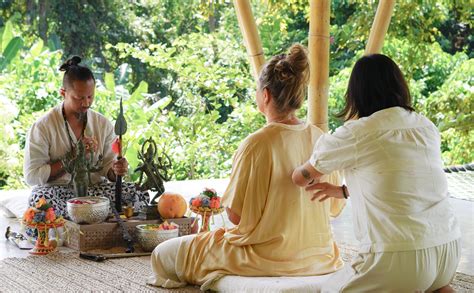
What sets Kenya apart is its ability to merge natural serenity with cultural depth. The Maasai’s spiritual traditions, Swahili coastal rituals, and indigenous healing practices are seamlessly woven into modern wellness experiences. This combination allows Kenya to offer not only physical rejuvenation, but also profound emotional and cultural enrichment.
Watamu: Kenya’s Coastal Sanctuary for the Soul
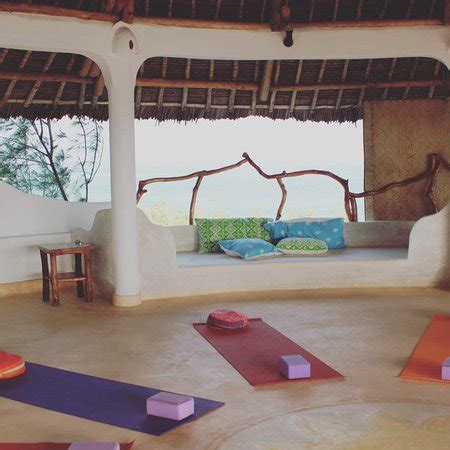
Watamu, on Kenya’s Indian Ocean coast, is quickly establishing itself as the flagship destination for wellness tourism. The town is blessed with white sands, lush mangroves, and crystal-clear waters — ideal for ocean therapy, yoga retreats, and mindfulness escapes.
Centers like Watamu Treehouse Retreat offer guests fully immersive programs, including sunrise meditations, detox diets, and sound healing sessions amidst treetop canopies. The synergy of salt air, rhythmic waves, and spiritual guidance creates a sanctuary that consistently draws repeat visitors from across Europe, the Middle East, and North America.
Chyulu Hills: Wellness at Altitude with a View of Kilimanjaro
Tucked between Tsavo and Amboseli National Parks, the Chyulu Hills are a serene destination for travelers seeking wellness with an edge. Their high altitude, clean air, and panoramic views of Mount Kilimanjaro offer an optimal environment for altitude training, silent retreats, and wilderness therapy.
At Finch Hattons Camp, wellness isn’t an afterthought — it’s the centerpiece. Guests receive tailored spa programs, guided forest bathing, and nutrition plans in ultra-luxurious surroundings. The experience merges world-class comfort with raw, untouched nature, providing a unique value proposition within Africa’s wellness ecosystem.
Masai Mara: A Union of Safari, Soul, and Serenity
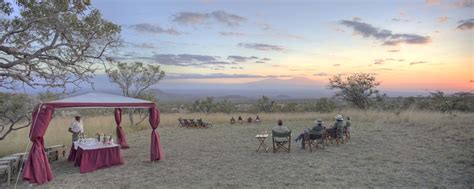
The Masai Mara, globally renowned for its epic wildlife migrations, is now transforming into a mecca for spiritual retreats and mind-body experiences. Properties like Angama Mara are redefining the safari experience by integrating wellness therapies into their itineraries.
Guests can participate in sunset yoga, Maasai-guided meditation walks, and healing massages while elephants roam the horizon. This integration of indigenous culture, vast natural beauty, and bespoke wellness services enables travelers to undergo deep personal transformation.
Lake Naivasha: A Lakeside Haven of Reflection
Nestled within the Great Rift Valley, Lake Naivasha offers a meditative escape for travelers seeking inner peace. The lake’s still waters reflect both the sky and the internal journeys of its guests. Locations like Oloiden Camp specialize in nature immersion experiences that encourage stillness, mindfulness, and organic connection to the environment.
Wellness programming here revolves around birdwatching, guided meditative nature walks, and open-air yoga, allowing visitors to detox from digital life and reconnect with their natural rhythm. This makes Naivasha ideal for solo wellness seekers and creative professionals needing mental clarity.
Lamu Island: Cultural Immersion Meets Spiritual Rebirth
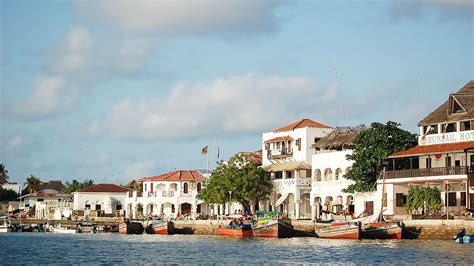
The UNESCO-listed Lamu Island, steeped in Swahili heritage, offers wellness travelers a rare chance to engage in cultural spirituality. With no vehicles on the island, life slows down to the pace of donkey carts and dhow boats, creating a naturally stress-free environment.
Guests at island retreats enjoy traditional Swahili healing rituals, Zanzibar spice-infused massages, and cultural storytelling. Lamu’s charm lies in its authenticity: each stone house, coral wall, and archway whispers history and invites reflection.
Government-Driven Transformation: Strategic Steps Toward a Wellness Future
Under the leadership of Kenya Tourism Board (KTB) CEO June Chepkemei, the country is actively engineering a shift in its tourism narrative. Recognizing the global pivot toward transformational travel, the government is integrating wellness tourism into national strategies.
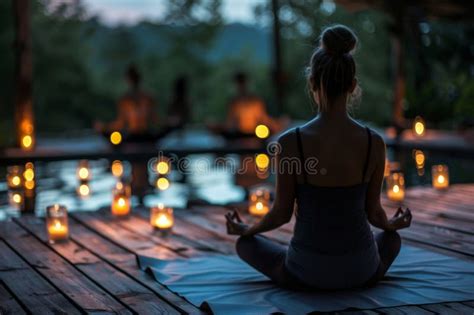
One of the most ambitious objectives is to blend safari and wellness experiences, creating offerings where visitors might track lions by day and participate in chakra healing by night. This cross-sector synergy is not only innovative but deeply marketable.
Infrastructure, Training, and Quality Control
The success of Kenya’s wellness ambitions hinges on the development of robust infrastructure. Roads leading to retreats in Watamu, Chyulu, and Naivasha are being upgraded. Simultaneously, the government is investing in training programs for local wellness practitioners.
New certification courses in aromatherapy, holistic nutrition, reiki, and yoga instruction are now offered in collaboration with international wellness bodies. These ensure that Kenyan wellness experiences can compete with top-tier Asian or European destinations in quality and authenticity.
Conservation and Cultural Integrity: The Ethical Backbone
Kenya’s commitment to eco-tourism plays a crucial role in its wellness vision. Properties working within conservancies like Olare Motorogi ensure that part of the wellness dollar benefits wildlife conservation and local communities.
Travelers are encouraged to engage in ethical tourism, where their visits support cultural preservation projects, women’s artisan cooperatives, and biodiversity research centers. This holistic model means travelers leave not only feeling better, but knowing they contributed to something bigger.
Incentivizing Private Investment: Kenya as a Wellness Investment Hub
To foster growth, KenInvest has rolled out targeted incentives for wellness tourism investors. These include:
- Tax relief for spa and wellness property developers
- Duty exemptions for imported wellness equipment
- Grants for eco-resort construction in rural counties
These incentives have already drawn the attention of European wellness chains, Middle Eastern retreat investors, and African diaspora entrepreneurs looking to build sustainable luxury havens.
Global Outlook: Kenya’s Competitive Edge in a $9 Trillion Market
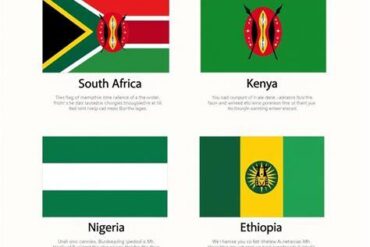
With wellness tourism expanding rapidly, Kenya’s hybrid model of nature, culture, and luxury offers a compelling edge over other African contenders. South Africa may boast wine and spa tourism, and Morocco may have hammams and desert detoxes, but Kenya’s diversity of product, year-round accessibility, and genuine authenticity stand unmatched.
International wellness travelers are not just looking for treatments; they seek meaningful experiences that promote life shifts. Kenya’s sacred landscapes, indigenous wisdom, and contemporary wellness execution meet this demand in ways few places globally can.
Conclusion: Kenya’s Journey to Wellness Tourism Supremacy
Kenya is not merely riding the wave of wellness tourism — it is shaping it. Through visionary leadership, environmental stewardship, and a deep respect for cultural authenticity, Kenya is laying the groundwork to become Africa’s leading holistic travel destination.
As infrastructure solidifies, awareness grows, and investor interest intensifies, Kenya’s wellness tourism will no longer be a niche. It will be a pillar of the national economy, a beacon for global wellness seekers, and a proud expression of Kenya’s soul.