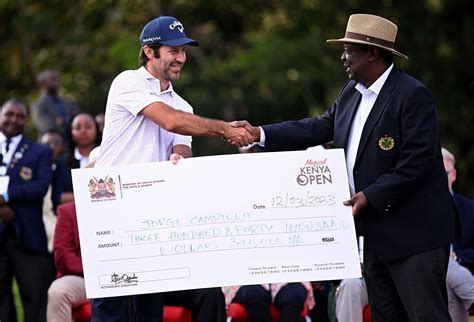
Kenya is on the verge of redefining its international identity through a strategic fusion of sport, luxury, and culture. At the heart of this transformative journey is the Magical Kenya Open, an event that has evolved from a regional sporting contest into a bold catalyst for economic revitalization and national branding. Anchored by the Kenya Tourism Board’s (KTB) renewed focus on premium travel segments, the tournament is emerging as a vital driver in positioning Kenya as a distinguished golf tourism destination on the global stage.
The renewed emphasis on golf is not a mere nod to the sport’s elite appeal—it is a calculated economic strategy. With golf tourism now recognized as one of the most lucrative sectors within the global travel industry, Kenya’s leadership is taking deliberate steps to capture this growing market. The Magical Kenya Open, in particular, is becoming the cornerstone of this vision, providing not only a high-profile international event but also a platform to showcase the country’s broader offerings, from coastal getaways to safari adventures.

The High-Stakes Economics of Golf Travel
Golf travelers are not your average tourists. At a recent Golf Tourism Stakeholders’ Forum in Nairobi, experts revealed a striking figure: a typical golf tourist spends approximately $3,200 per trip—a figure nearly three times that of a standard leisure traveler. These tourists are also known for longer stays, higher levels of spending, and a tendency to engage with local experiences far more deeply than their beach-only counterparts.
This profile presents a golden opportunity for Kenya. The influx of such high-yield visitors doesn’t just benefit top-tier resorts and golf courses—it ripples outwards to touch transport operators, artisans, community-based enterprises, and hospitality providers. In a developing economy with high youth unemployment and a burgeoning service sector, such multipliers are not just desirable—they are essential.
From Fairways to the Savannah: A Tourism Proposition Unlike Any Other
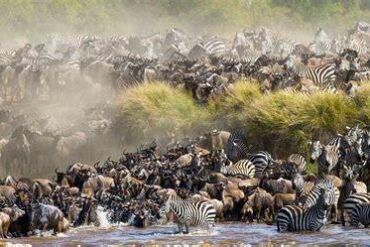
Kenya’s unique ability to combine championship-level golf with immersive safari experiences and world-class coastal retreats sets it apart in the global tourism market. Few destinations can offer a morning tee time at a lush course followed by an evening game drive among the Big Five—or a round of golf followed by a sunset cruise on the Indian Ocean.
This hybrid tourism model appeals directly to affluent travelers looking for variety, exclusivity, and authenticity. It also matches the shifting preferences of modern luxury tourists who prioritize experiential depth over traditional indulgence. Kenya’s vision taps directly into this evolving landscape, aiming to offer itineraries that are both indulgent and enriching.
A Collaborative Framework for Sustainable Growth
While the natural beauty and existing infrastructure give Kenya a strong head start, the success of this new tourism push depends heavily on strategic collaboration between the public and private sectors. This point was underlined repeatedly during the Nairobi forum, where industry stakeholders emphasized the importance of a unified vision across all levels—from government ministries to course operators, hotel chains to local transport providers.
Infrastructure development is key. This includes upgrading golf course facilities, modernizing airports, improving digital connectivity, and ensuring seamless visa and travel processes for international tourists. In parallel, robust global marketing campaigns must be launched to position Kenya not just as a safari haven, but as a golfing paradise in its own right.
Global Engagement and Recognition
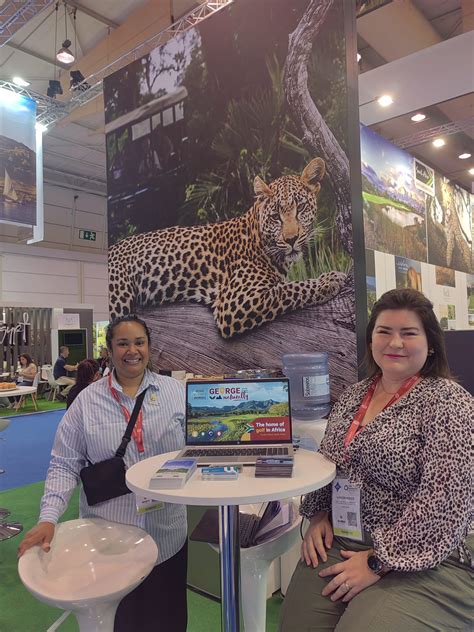
Kenya’s recent presence at the International Golf Travel Market (IGTM) in Lisbon signaled a renewed intent to engage international audiences directly. The reception was notably strong from high-value European markets such as Germany and Portugal, where Kenya’s stand-out mix of golf and wildlife made a lasting impression. These markets are especially important due to their high spending patterns and preference for long-haul, immersive vacations.
The success at IGTM is also a reflection of the growing international curiosity around non-traditional golf destinations. As traditional golfing powerhouses in Europe and North America face saturation, markets like Kenya—with their underexplored courses, idyllic climates, and breathtaking landscapes—present a refreshing alternative.
Golf Meets Culture: Making the Sport More Inclusive
One of the most forward-thinking aspects of Kenya’s golf tourism strategy is its commitment to inclusivity and accessibility. Golf, often seen as the domain of wealthy elites, is being rebranded in Kenya as a family-friendly, multi-generational activity that can cater to younger travelers and diverse backgrounds.
KTB and its partners are exploring innovative tour packages that emphasize local culture, interactive learning experiences, and even school or youth group involvement. Golf academies, junior tournaments, and inclusive pricing models are being proposed to ensure the sport can be enjoyed by both international tourists and local communities. This approach not only builds a stronger tourism brand but also invests in the next generation of Kenyan golfers.
The East African Advantage: Regional Cooperation on the Rise
Kenya’s ambitions are not insular. Initiatives such as the Sunshine Development Tour – East Africa Swing have demonstrated the power of regional tourism cooperation. By creating multi-country itineraries and linked golf circuits, Kenya and its neighbors can offer an expansive and cohesive travel experience, boosting both visitor numbers and regional economic integration.
These initiatives also pave the way for joint marketing campaigns, shared resources, and regional tournaments that further elevate East Africa’s profile in the global golf scene. The promise here is not just greater visibility, but sustainable tourism models that share economic benefits more equitably across borders.

Kenya’s Momentum in the Global Golfing Scene
The numbers speak volumes. The golf tourism sector is growing at an annual rate of 3% to 9%, depending on the region. Kenya, having previously been awarded the title of Africa’s Best Golf Destination in 2020, is building on a recognized foundation. The country is home to over 40 golf courses, many of which are located in or near major tourism hubs like Nairobi, Naivasha, Mombasa, and Nanyuki.
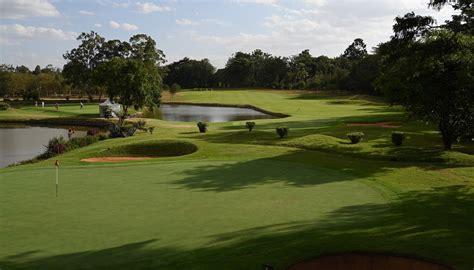
These courses are not merely functional—they are scenic, thoughtfully designed, and capable of hosting high-level tournaments. The Magical Kenya Open, held at Karen Country Club, has become a showcase of Kenya’s growing capabilities and serves as a litmus test for the nation’s readiness to welcome international golf travelers at scale.
Transforming Reputation Through Strategic Vision
What Kenya is undertaking goes far beyond a tourism campaign. It is a strategic renaissance—an attempt to reposition the nation not just as a wildlife safari destination, but as a world-class sporting hub. This shift aligns with broader global trends, where tourism is no longer just about sights and sounds but lifestyle alignment, personal growth, and cultural enrichment.
In doing so, Kenya is promoting a model of tourism that is sustainable, inclusive, and future-focused. The emphasis on local community participation, environmental stewardship, and digital innovation means that this transformation could also serve as a blueprint for other African nations looking to modernize their tourism offerings.
Looking Ahead: What Will Define Success?
The road to success in golf tourism will not be without its challenges. Kenya must ensure that its infrastructure keeps pace with rising demand, that political and economic stability remains intact, and that tourism development does not compromise the country’s natural or cultural assets.
But if executed with vision and discipline, Kenya stands poised to achieve something rare—a fusion of economic growth, cultural pride, and global prestige. The Magical Kenya Open is more than just a tournament. It is a signal—a bold declaration that Kenya is ready to lead, to innovate, and to transform the way the world sees Africa.