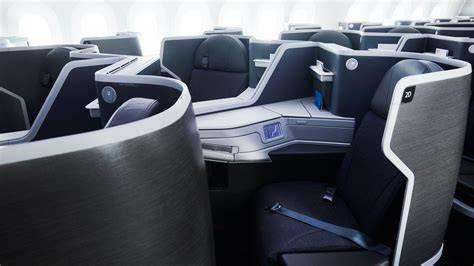
American Airlines is changing one of the most valuable perks for AAdvantage elite members by limiting how far complimentary upgrades can travel on select premium domestic routes. Starting August 25, many elite flyers who purchase a Main Cabin ticket will no longer have a direct path into the airline’s premium Flagship Business cabin when flying on aircraft equipped with a separate Premium Economy section.
For years, American’s most loyal customers enjoyed a unique advantage on premium transcontinental and Hawaii routes. An economy passenger with elite status could sometimes move directly into a lie-flat Flagship Business seat, transforming a standard domestic ticket into a long-haul style premium experience. That benefit is now becoming more restricted as American introduces a cabin-by-cabin upgrade structure.
The new policy does not eliminate complimentary upgrades completely. Instead, it changes the destination of those upgrades depending on the aircraft assigned to the flight. The deciding factor is whether the aircraft includes a dedicated Premium Economy cabin. When Premium Economy exists, Main Cabin elites will generally stop at that cabin rather than continuing directly into Flagship Business.
The change creates a more complex upgrade environment where the same route can have different rules depending on the aircraft operating the flight. A traveler flying between the same two cities could have a completely different upgrade experience simply because one departure uses an Airbus A321XLR while another uses an older Airbus A321T.
Aircraft Configuration Now Determines American Airlines Upgrade Eligibility
Under the revised system, American Airlines is moving toward a traditional one-cabin upgrade ladder. A passenger purchasing a Main Cabin ticket on an eligible three-cabin aircraft will first compete for an upgrade into Premium Economy. Only passengers who already hold Premium Economy tickets will be eligible for complimentary upgrades into Flagship Business.
This means elite members will no longer be able to skip over Premium Economy on aircraft where that cabin is available. The airline explained that Main Cabin customers will upgrade into Premium Economy on select flights to and from Hawaii and certain transcontinental routes when eligible seats are available.
However, exceptions remain. Travelers can still receive a Business Class upgrade if they purchase Premium Economy, buy an Instant Upgrade into Premium Economy, or fly on aircraft without a Premium Economy cabin. This creates a situation where aircraft type becomes just as important as route selection.
American’s updated approach affects several high-profile routes, including premium connections between major business markets and Hawaii destinations. The initial impacted routes include:
- New York-JFK to Los Angeles
- New York-JFK to San Francisco
- Boston to Los Angeles
- Dallas/Fort Worth to Honolulu
- Dallas/Fort Worth to Kona
- Dallas/Fort Worth to Maui
- Phoenix to Honolulu
- Chicago O’Hare to Honolulu
- Chicago O’Hare to Maui
On these routes, aircraft such as the Boeing 777-200ER, Boeing 787 Dreamliner family, and Airbus A321XLR will follow the new upgrade structure because they include Premium Economy seating. Flights operated by aircraft without Premium Economy, such as the A321T or certain A321neo aircraft, can still provide a direct path into Business Class.
The Airbus A321XLR Creates A New Premium Upgrade Reality
The most noticeable impact appears on American’s premium transcontinental network, where the introduction of the Airbus A321XLR changes the traditional upgrade equation.
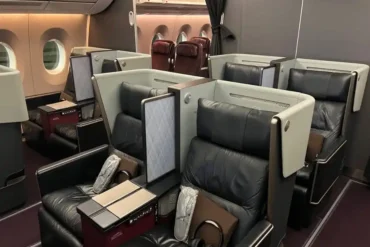
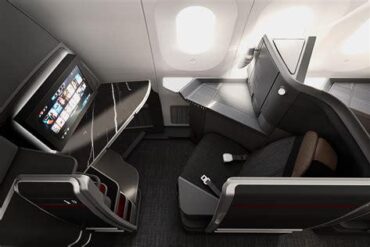
The older A321T, designed specifically for premium domestic routes, features a two-class premium arrangement with Flagship First and Flagship Business. It offers 10 Flagship First seats, 20 lie-flat Business Class seats, and 72 economy seats. Because there is no Premium Economy cabin, an eligible Main Cabin passenger can still move directly into Flagship Business.
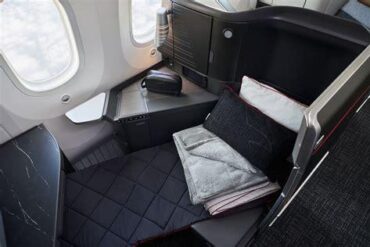
The A321XLR represents a different philosophy. The aircraft includes 20 private Flagship Suites, 12 Premium Economy seats, and 123 Main Cabin seats. Although the aircraft provides a modern premium experience, it creates an additional barrier for elite flyers seeking the highest cabin.
A traveler flying from New York JFK to Los Angeles on an A321T may still receive a complimentary upgrade from Main Cabin into a lie-flat Flagship Business seat. Another traveler flying the same route on an A321XLR will generally be upgraded only into Premium Economy.
That difference highlights how American’s fleet modernization is changing the value of elite status. The introduction of newer aircraft with more cabin segmentation improves revenue opportunities for the airline but reduces the simplicity of loyalty benefits.
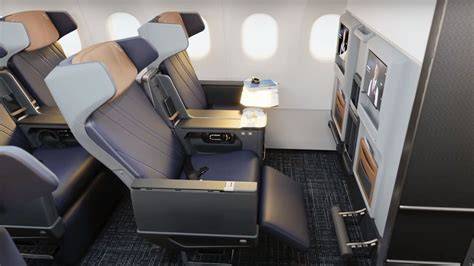
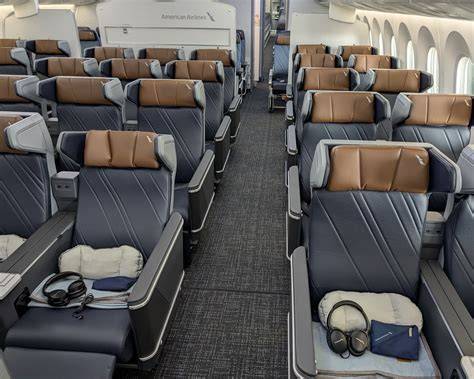
Premium Economy remains a significant improvement compared with standard economy. American’s A321XLR Premium Economy seats include enhanced headrests, calf rests, footrests, wireless charging, upgraded dining, lumbar support pillows, blankets, and amenity kits.
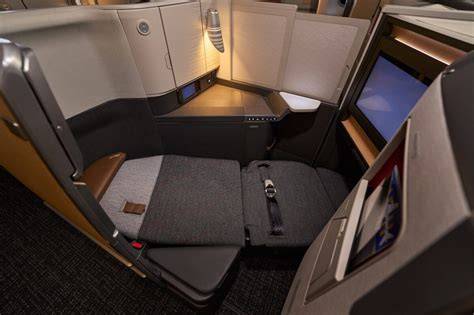
However, Premium Economy cannot fully replace Flagship Business. The cabin lacks private suite doors, direct aisle access, and fully lie-flat beds. For long flights such as New York to California or Dallas to Hawaii, the difference remains substantial.
There is also another potential frustration for elite travelers. Some Premium Economy cabins include middle seats, meaning a passenger upgraded from a preferred Main Cabin window or aisle seat could theoretically receive a less desirable Premium Economy assignment.
Why American Airlines Is Restricting Flagship Business Upgrades
Although American Airlines has not officially described the change as a revenue strategy, the commercial motivation is clear. Premium cabins represent some of the most valuable inventory in modern airline operations, especially on high-demand transcontinental and Hawaii routes.
By preventing Main Cabin elites from automatically jumping directly into Flagship Business, American can protect more premium seats for customers who purchase them outright, pay for upgrades, or use valuable upgrade instruments such as Systemwide Upgrades.
The policy also encourages travelers to buy Premium Economy tickets. A passenger who chooses Premium Economy retains a stronger opportunity to move into Flagship Business, creating an incentive for customers to spend more upfront.
This approach reflects a broader industry trend. Airlines are increasingly redesigning loyalty programs around revenue contribution rather than simply rewarding frequent travel. Premium cabins are becoming more carefully controlled as carriers seek higher returns from business travelers and affluent leisure passengers.
American Airlines Joins A Broader Shift Among US Legacy Carriers
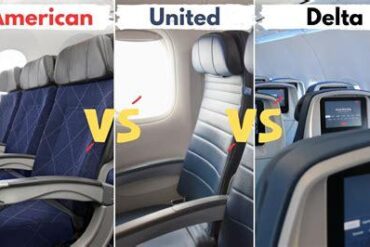
American’s decision also changes the competitive landscape among the three major US legacy airlines. Delta Air Lines currently provides the most generous opportunity for economy passengers seeking complimentary upgrades into premium lie-flat domestic cabins.
Delta SkyMiles Medallion members can still receive space-available complimentary upgrades into Delta One on selected domestic routes featuring lie-flat seats. The airline also maintains a system where passengers remain eligible for higher cabin upgrades rather than being removed after receiving a lower-class upgrade.
United Airlines, meanwhile, takes a more restrictive approach on certain premium transcontinental routes. Complimentary upgrades are not available on some flagship services between Newark and major California markets, meaning passengers generally need PlusPoints, miles, or paid upgrades to access the highest cabins.
American’s system is different because it is based primarily on aircraft configuration. A passenger flying an A321T may still enjoy the old benefit, while someone flying an A321XLR, Boeing 777-200ER, or Boeing 787 may face a Premium Economy ceiling.
The result is a more complicated loyalty experience where elite members must pay closer attention to aircraft schedules before booking. Route alone is no longer enough to predict upgrade possibilities.
The Future Of American Airlines Elite Benefits
American Airlines’ upgrade changes represent another step toward a more segmented airline industry. As carriers add Premium Economy cabins and expand premium seating options, traditional elite benefits are being adjusted to protect valuable revenue streams.
For AAdvantage members, the days of routinely moving from economy directly into a lie-flat Flagship Business seat are becoming less common. The opportunity still exists, but only under specific circumstances.
The aircraft operating the flight now matters as much as the destination. Travelers seeking the best upgrade chances will need to study aircraft schedules, understand cabin layouts, and consider purchasing Premium Economy when accessing Flagship Business is the priority.
American’s new policy does not remove the value of elite status, but it changes what loyalty delivers. In the modern airline industry, even top-tier perks are becoming increasingly tied to cabin structure, aircraft economics, and premium seat demand.