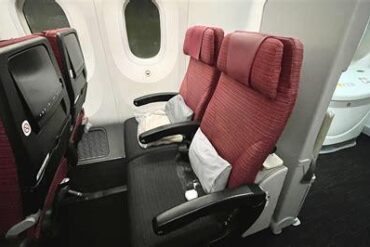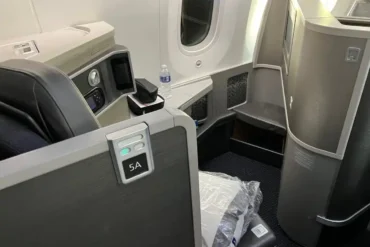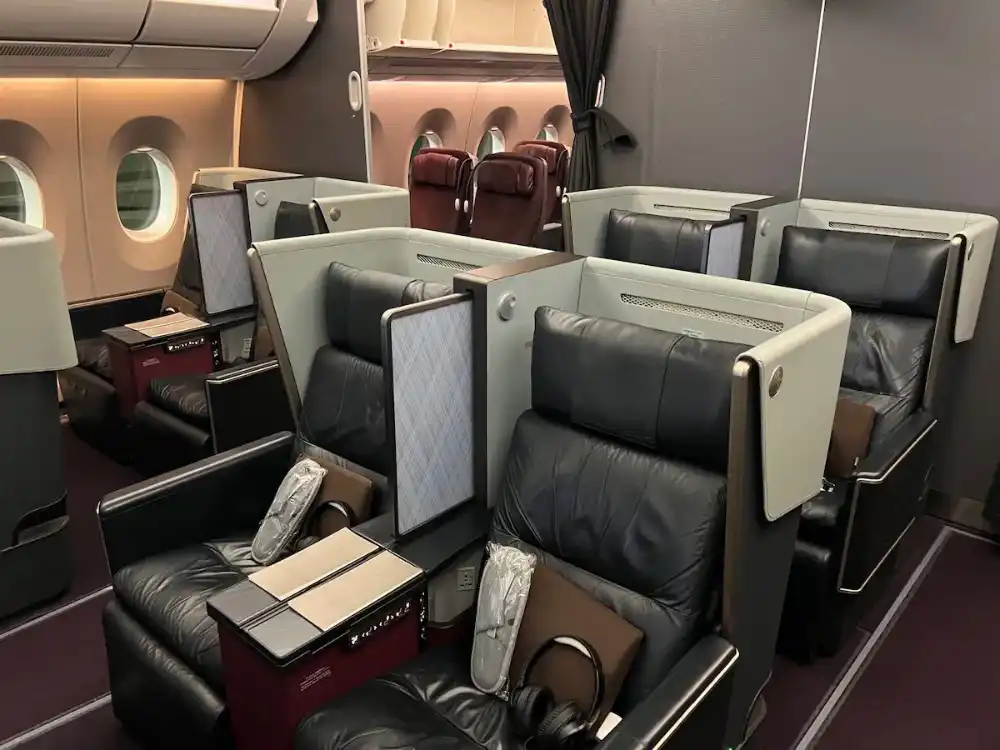
Japan’s domestic aviation ecosystem has long been admired as one of the most seamless and cost-efficient in the world, blending punctuality with service depth in a way that often surprises travelers used to less predictable skies. One of the standout perks that set Japan Airlines (JAL) apart has been the ability to perform affordable cash upgrades on the day of departure, sometimes as low as single-digit U.S. dollars, allowing passengers to step into a more comfortable cabin experience without weeks of planning or elite status requirements. That era, however, has just been reshaped – not eliminated, but tightened.
For years, same-day upgrades were a democratizing benefit, requiring nothing more than an available seat and a traveler willing to pay for it. Passengers could walk into the airport, check availability between 20 minutes and three hours before departure, drop a small fee, and walk out with a boarding pass for Class J or First Class domestic service. The simplicity was refreshing; it rewarded spontaneity and helped JAL fill premium cabin seats that might otherwise fly empty. Starting December 18, 2025, that simplicity becomes more selective.
Japan Airlines will begin restricting day-of-departure domestic cash upgrades exclusively to JAL Mileage Bank (JMB) members. While the cost structure and upgrade windows remain untouched for now, eligibility will no longer apply universally. A traveler must hold a JMB account, and while JAL has not yet specified every implementation detail, expectations suggest the frequent flyer number must be attached to the reservation at the time of upgrade request, not merely owned in theory. This subtle administrative requirement represents a strategic shift: access remains open to everyone, yet only to those willing to create a deeper relationship with the airline.
This move appears to align loyalty behavior with operational realities. JAL’s domestic upgrades are immensely popular, often selling out entirely because the pricing offers genuine value rather than status-gated exclusivity. It is plausible the carrier wants to nudge more travelers into its loyalty ecosystem instead of seeing upgrades go overwhelmingly to foreign passengers crediting miles to partner programs, including Oneworld elites who could otherwise layer multiple benefits in a single booking. By tying cash upgrades to JMB membership, JAL subtly shifts the balance of advantage – not closing the door on visitors, but asking them to step into the airline’s world rather than observing from another loyalty structure.
Possible Strategic Intent Behind the Policy Shift
The rationale, while unstated, reveals itself in design rather than declaration. Cash upgrades operate like a pressure valve for clearance inventory, but demand has begun to outpace supply as tourism continues rising and as veterans of Japan’s domestic network increasingly share the hack. Membership-based gating acts as a filter — not a hard wall, but a turnstile. A few outcomes likely shape JAL’s intent:
- More travelers enrolling in JAL Mileage Bank, increasing program loyalty, data retention, and future booking probability.
- Reduced leverage for travelers holding elite status in foreign frequent flyer programs, keeping value stronger for those embedded in JAL’s own.
- A gentle realignment toward domestic passenger prioritization without publicly framing it as a nationality preference.
The policy does not prohibit non-Japanese travelers from upgrading — anyone worldwide can open a Mileage Bank account — but it adds just enough friction to influence behavior. Before, an upgrade was an impulse buy. Soon, it becomes an opt-in loyalty moment.
What This Means for Travelers Going Forward
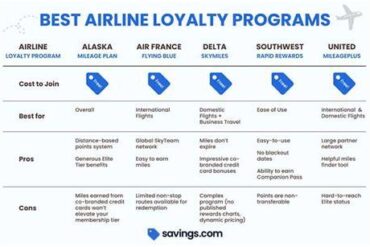
Passengers accustomed to crediting flights to programs like American AAdvantage or British Airways Executive Club may now need to make a choice when flying JAL domestically: loyalty benefits with one alliance program, or the ability to unlock quick-purchase upgrades with another. Some will continue crediting elsewhere for long-haul mileage value. Others — particularly frequent domestic flyers or aviation enthusiasts chasing seat comfort — may find JMB enrollment a trivial barrier in exchange for maintaining access to those $7 to $89 upgrade opportunities.
Those who already travel in premium cabins or book Class J outright might shrug at the policy’s gravity. For travelers who relied on last-minute upgrades as one of Japan’s best aviation bargains, however, the change lands with weight. The strategy doesn’t dismantle the opportunity — it reframes it around loyalty identity.
Change Arrives December 18, 2025
Beginning December 18, 2025, day-of-departure domestic upgrades will no longer be universally accessible. They will remain available only to Japan Airlines Mileage Bank members, likely requiring the membership number embedded into the booking profile rather than added post-fact. The policy shift signals how valuable these upgrades have become and how intentional JAL aims to be with inventory distribution.
Travel in Japan’s domestic skies will remain elegant, efficient, and highly competitive — just slightly less spontaneous for the unregistered traveler. Those willing to join JMB will barely notice the change. Those who do not may find themselves staring through the glass at a perk they once entered freely. The story of aviation loyalty continues evolving, seat by seat, cabin by cabin, and this decision marks a fascinating new chapter for one of the world’s most admired airlines.