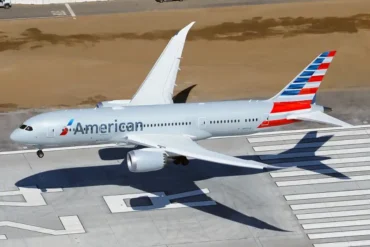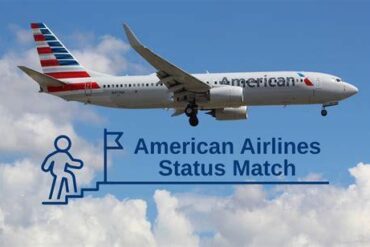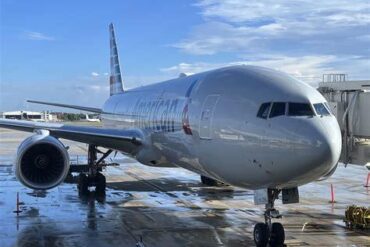
American Airlines has taken a decisive step in redefining how frequent flyers use their AAdvantage miles for cabin upgrades. As of June 2025, instant mileage upgrades have officially replaced the traditional mileage upgrade award chart, marking a substantial pivot toward a fully dynamic pricing model that aligns more closely with how the airline already sells paid upgrades. The change reflects broader industry trends toward real-time pricing flexibility, but it also dilutes the predictability and potentially the value of using loyalty miles.
This new system allows travelers to redeem miles directly for upgrades once their reservation is ticketed, mimicking the existing cash upgrade offer process. Whether on the American Airlines website or app, users will now see a mileage option wherever a cash upgrade is available. It’s a move that enhances transparency and accessibility for casual travelers, but also raises concerns for those who strategize their mileage redemptions for optimal value.

From Structured Certainty to Dynamic Pricing Chaos
The demise of the mileage upgrade award chart marks the end of a well-defined system where travelers could calculate the exact number of miles required for an upgrade based on fare class and route. With this structured system, as long as confirmable upgrade space was available, users had the ability to lock in an upgrade during the booking or ticketing process. These fixed mileage rates, often coupled with co-payments, made it easier for savvy travelers to plan and budget their points usage.
That clarity is now gone. In the new system, pricing is entirely dynamic, changing in real time based on route demand, seat inventory, and proximity to departure. For example, an upgrade from economy to business class on a popular transcontinental route might cost 25,000 miles one day and 45,000 miles the next, with no advance notice or pricing chart to guide expectations.
Moreover, initial reports indicate that the value per mile hovers around one cent, which is notably poor when compared to the average redemption rate for international premium cabin awards, often valued at 1.4 to 1.8 cents per mile or more. This effectively devalues the strategic use of miles and penalizes travelers who have meticulously accrued them for high-value redemptions.
A Double-Edged Sword for Loyalty Members
American’s pivot is not just a back-end system tweak; it represents a philosophical shift in how the airline views its AAdvantage loyalty program. For less frequent flyers, or those unfamiliar with award charts and upgrade nuances, the ability to instantly see and redeem miles for upgrades with no need to call customer service may feel like a welcome simplification. It removes layers of complexity and makes the upgrade process more user-friendly.
However, for elite travelers and loyalty maximizers, this shift is a gut punch. No longer can one depend on a published chart to find hidden value in lower-demand routes or capitalize on sweet spots. Even worse, since upgrades can only be offered post-ticketing, it removes the ability to confirm an upgrade during the booking process — a critical feature for business travelers who rely on planning predictability.
Timeline and Impact: What Travelers Need to Know
While the new mileage-for-upgrades system is already active, the legacy award chart will officially be retired as of August 12, 2025. From that date forward, no new mileage upgrade requests using the chart will be accepted. Existing confirmed upgrades and waitlisted requests will still be honored, and the mechanics of systemwide upgrades and elite complimentary upgrades remain unaffected. This change strictly alters how members redeem AAdvantage miles for voluntary upgrades on American Airlines flights.
The critical consequences for travelers include:
- Elimination of fixed upgrade pricing: No more predictable mileage costs.
- Requirement to ticket before seeing upgrade offers: Limits proactive planning.
- Dynamic mile pricing tied to cash equivalents: Often yields lower value per mile.
- Reduced transparency and strategic flexibility: No ability to compare options via a published chart.
Industry Context: Following the Dynamic Pricing Trend
American is not alone in this movement. Delta and United have already embraced forms of dynamic award pricing, including upgrade offers. This move brings American more in line with its competitors, signaling a broader shift in the U.S. airline industry away from structured loyalty benefits and toward revenue-based rewards systems.
This transformation aligns with airline revenue management strategies, where loyalty currencies like miles are treated as just another form of payment — one that can be manipulated to reflect near-cash value. It’s a far cry from the era when frequent flyer programs offered outsized redemption value, often seen as a reward for brand loyalty. Now, miles function more like digital coupons, tailored dynamically to fill seats and optimize load factors.
Implications for Mileage Strategy Going Forward
For travelers aiming to extract the most from their AAdvantage miles, this change necessitates a serious reevaluation of redemption strategy. Using miles for upgrades may now be less appealing than redeeming for full award tickets, particularly on international itineraries where business and first class awards still offer significantly better cent-per-mile value.
It also underscores the importance of tracking dynamic pricing trends over time. Travelers who are determined to use miles for upgrades may need to monitor itineraries more closely, look for patterns in when upgrade prices dip, and consider using browser tools or third-party apps to flag pricing changes.
Ultimately, the most effective response for AAdvantage members might be to diversify redemption tactics, combining miles with promotional cash fares, leaning more heavily on partner redemptions, or reserving upgrades for occasions when convenience trumps value.
Criticism and Customer Sentiment
The response from the frequent flyer community has been sharply divided. On forums and social media platforms, longtime AAdvantage members have expressed frustration, calling the change a “stealth devaluation” and lamenting the loss of transparency. Many feel that the removal of the award chart further disempowers customers, who now face unpredictable and often inflated mileage costs.
Conversely, some casual travelers — particularly those with fewer miles and no elite status — have praised the new feature’s ease of use. For them, the ability to redeem a modest number of miles on a whim for a better seat is a tangible benefit, even if the value isn’t mathematically optimal.
This dichotomy highlights a tension that all loyalty programs must grapple with: catering to high-value frequent travelers versus making systems accessible to the mass market. American appears to be tilting toward the latter, prioritizing simplicity and dynamic revenue gains over loyalty optimization.
Final Thoughts: A Philosophical Shift in Loyalty Design
The introduction of instant mileage upgrades at the cost of the traditional award chart is more than just a functionality update — it’s a clear signal of American Airlines’ priorities. This new model simplifies the process on the surface, but underneath, it adds a layer of unpredictability that will frustrate those seeking value-based travel planning.
This move will likely benefit infrequent travelers looking for occasional convenience, while devaluing the miles hoarded by seasoned road warriors. As such, it represents a turning point in the evolution of loyalty programs — one where data-driven monetization strategies trump legacy expectations of fairness, transparency, and customer reward.
AAdvantage members will need to adapt quickly. Those who don’t want to settle for one-cent-per-mile redemptions must become savvier, shifting their focus to alternative redemption options or investing in tracking tools that navigate this new dynamic terrain. One thing is certain: the mileage game has changed, and only the most adaptable players will continue to win.