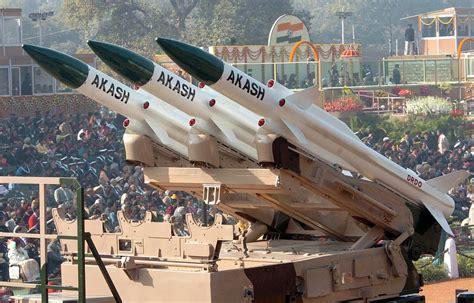
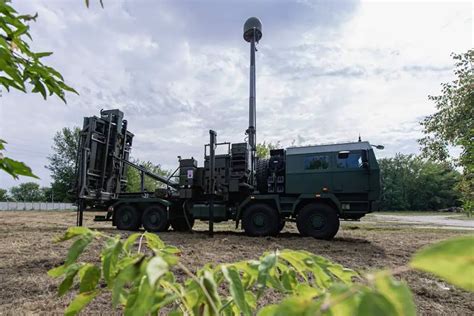
In a decisive setback to the global ambitions of India and China in the Latin American defense market, Brazil has officially sidelined both Asian giants’ surface-to-air missile (SAM) systems in favor of a European contender. The rejection of India’s Akash missile system and China’s Sky Dragon 50 in favor of MBDA’s Enhanced Modular Air Defence Solutions (EMADS) underlines not just a preference for NATO-aligned hardware, but also raises critical questions about technology readiness, strategic alignment, and long-term defense-industrial cooperation.

India and China’s Repeated Misses in Latin America
The Brazilian snub follows a now-familiar pattern for India and China, who have been actively wooing Latin American countries in hopes of breaking into a market traditionally dominated by Western—particularly American—military suppliers. Just last year, Argentina’s decision to procure 24 used Danish F-16s over India’s LCA Tejas and China’s JF-17 Thunder was a pivotal moment. Despite prolonged discussions, flashy demonstrations, and strategic lobbying by New Delhi and Beijing, Argentina ultimately opted for an aging yet NATO-compatible platform backed by U.S. strategic influence.
India’s Light Combat Aircraft (LCA) Tejas, which had been in close contention, lost out not due to pricing but because of political pressure, logistical concerns, and doubts over the maturity of the Tejas program.
Now, the loss of the Akash and Sky Dragon SAM bids in Brazil has added another chapter to this unfolding narrative of unfulfilled defense ambitions in the Americas.
Brazil’s Evolving Air Defense Strategy
Brazil’s search for a Medium-Altitude/High-Altitude Air Defense Artillery System began in earnest in late 2023. Following multiple Requests for Quotations (RFQs), the contenders soon narrowed to India’s Akash and China’s Sky Dragon 50, both presented with live-fire demonstrations. Indian officials were particularly optimistic after Brazilian Army Chief General Tomas Miguel Mine Ribeiro Paiva visited India in August 2023 and witnessed the Akash system in action.
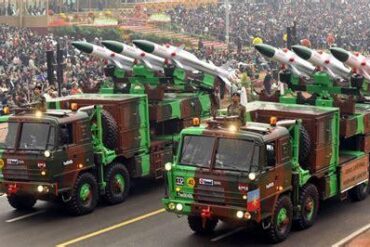
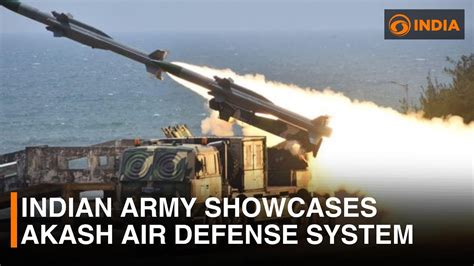
The Akash had recently gained strategic prominence after reportedly achieving a 100% kill ratio during the May 2025 India-Pakistan conflict. It was hoped this operational credibility would tip the scales in India’s favor. Similarly, the Chinese side had demonstrated the Sky Dragon 50 and SH15 self-propelled howitzers in a bid to expand their regional footprint.
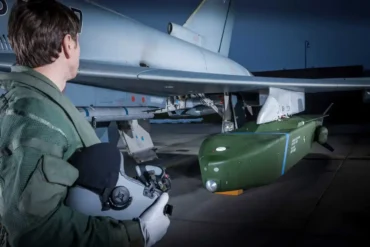
Yet, Brazil has now reportedly opted to pursue a R$5 billion (~USD 920 million) deal with MBDA, which includes the Common Anti-Air Modular Missile – Extended Range (CAMM-ER), a system with a range of over 40 km, exceeding that of Akash (25–30 km).
Why India’s Akash and China’s Sky Dragon Lost Out
Although no official statement has been made by the Brazilian Ministry of Defense, multiple credible reports from Brazilian media outlets including CNN Brasil, Defesanet, and Forcas Terres Res cite a combination of technological, logistical, and strategic reasons for the rejection:
- Outdated Offerings: India reportedly refused to offer its latest Akash-NG (New Generation) variant, instead promoting an earlier version entirely based on indigenous technology, perceived as technologically inferior and lacking foreign enhancements.
- Limited Range and Capability: The Akash’s range was seen as inadequate compared to MBDA’s CAMM-ER. The Sky Dragon 50 also fell short in performance metrics.
- NATO Preference: Brazil’s tilt toward NATO-compatible systems was a decisive factor. European systems like EMADS are already in service with countries such as the UK and Poland, adding a layer of operational trust and standardization.
- Local Production and Tech Transfer: Unlike Indian and Chinese proposals, the European offer included opportunities for local production, personnel training, and integration with Brazilian naval systems such as the Tamandaré-class frigates, enhancing national defense-industrial capacity.

- Strategic Diplomacy: Brazil is also negotiating the sale of Embraer’s KC-390 military transport aircraft to Italy, potentially paving the way for broader defense cooperation with European partners.
Missed Opportunity Amid Global Geopolitical Tensions
This development marks a significant disappointment, particularly for India, which had hoped that fellow BRICS nation Brazil would see the strategic merit in intra-BRICS defense collaboration. China, too, had seen Latin America as fertile ground to expand its military diplomacy and Belt and Road Initiative (BRI) influence.
Instead, Brazil’s pivot reaffirms the underlying geopolitical reality that Latin America, while opening to new partners, still remains closely aligned with Western defense doctrines, particularly in air defense where interoperability and supply-chain reliability are paramount.
India’s refusal to offer the Akash-NG, co-developed with Israeli input, was viewed by Brazilian analysts as an attempt to safeguard its proprietary IP at the cost of closing a strategic deal. While understandable from a sovereign defense R&D perspective, this rigidity cost India dearly in a critical market.
A String of Setbacks: Latin America’s Cold Reception
Brazil’s rejection is not an isolated incident but part of a wider pattern of defense setbacks for India and China across Latin America:
- India’s Dhruv helicopter, once exported to Ecuador, faced grounding after multiple crashes, leading to contract termination.
- China’s MBT-2000 tanks, offered to Peru, and H-425 helicopters, proposed to Bolivia, failed to secure deals amid technical scrutiny and political reservations.
While both Asian nations continue to make strides in indigenous defense manufacturing, their Latin American campaigns have revealed a common Achilles’ heel: an inability to align product readiness with geopolitical trust and end-user requirements.
What This Means for Future Asian Defense Exports
For India and China, Brazil’s rejection should be seen not merely as a lost contract, but a strategic inflection point. The Latin American market, valued in the billions, offers massive potential, but it also demands sophistication, political flexibility, and a willingness to tailor offerings to local needs.
In India’s case, this could mean being more open to offering its latest technology variants—like Akash-NG—if it wants to move from the category of aspirational exporter to trusted defense partner. Similarly, Chinese systems need to overcome the lingering perception of being low-cost but low-reliability alternatives.
Both nations must also understand that Latin America’s defense priorities are increasingly about interoperability with NATO, long-term sustainment guarantees, and technology transfer opportunities that support local industry.
The Road Ahead
While Venezuela remains the largest buyer of Chinese weapons in Latin America, broader regional access remains elusive for both China and India. With countries like Colombia, Peru, Chile, and Mexico modernizing their militaries, the window of opportunity is still open.
But to compete meaningfully with entrenched Western suppliers, India and China must go beyond offering competitive pricing. They must embrace transparency, after-sales support, co-development options, and strategic alignment with buyers’ defense policies.
Until such shifts are made, Latin America may remain, as it has for decades, the fortress of Western defense dominance—with only limited incursions by the East.
Brazil’s latest choice of EMADS over Akash and Sky Dragon is not just a procurement decision. It is a statement about trust, capability, and the future of global defense partnerships.