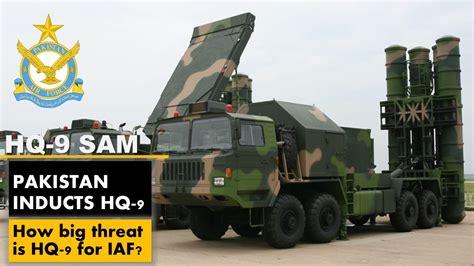
The recent drone strikes on Pakistan’s HQ-9 air defence units have marked a pivotal moment in the evolving military landscape of South Asia. These strikes, reportedly targeting critical air defence systems in Lahore, have not only crippled Pakistan’s anti-aircraft capabilities but have also sent a strong signal regarding the escalating nature of Indo-Pak conflict dynamics.
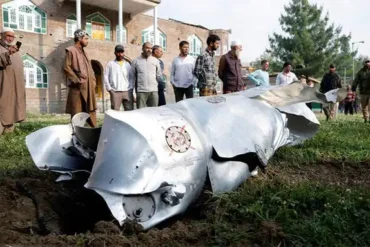
The initial chaos was palpable as air raid sirens blared across Lahore, triggering panic and confusion among civilians. Plumes of smoke, visible for miles, indicated precise hits on sensitive military infrastructure. While official confirmations remain scarce, multiple credible sources have affirmed that these strikes inflicted substantial damage to the HQ-9 air defence batteries, effectively neutralizing Pakistan’s immediate air defence posture in the affected region.
The Strategic Importance of HQ-9 Systems
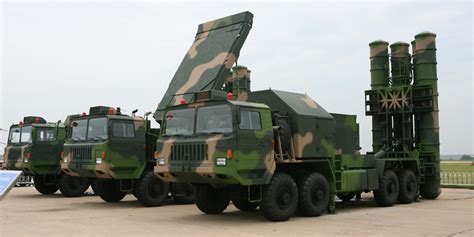
The HQ-9, a Chinese-manufactured long-range surface-to-air missile system, is widely regarded as the backbone of Pakistan’s air defence framework. It is modeled after Russia’s S-300 platform and designed to engage aircraft, cruise missiles, and ballistic missiles at distances up to 200 kilometers. Pakistan’s reliance on this system reflects its strategy to fortify key urban centers and military installations against aerial incursions.
The HQ-9’s architecture allows for multi-target engagement and integrates radar capabilities with kinetic interceptors, creating a formidable umbrella over protected assets. However, the recent precision drone attacks appear to have successfully exploited gaps in this system’s operational readiness.
How the Strikes Were Executed
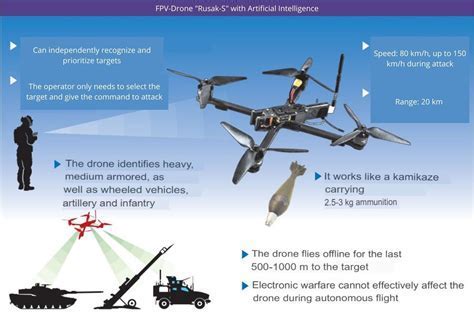
According to defense analysts, the drone strikes reflect a textbook application of Suppression of Enemy Air Defenses (SEAD) doctrine. This strategy aims to disable or destroy air defence networks, thereby opening corridors for further air operations. The drones, likely equipped with standoff munitions, circumvented traditional detection by flying at low altitudes and possibly deploying electronic countermeasures to jam radar systems.
Notably, these strikes are reminiscent of Operation Syindhur, where India demonstrated its capability to hit terrorist infrastructure deep within Pakistan’s territory without direct confrontation. However, this latest operation shifts focus from counter-terrorism to direct military engagements, suggesting a calculated escalation aimed at diminishing Pakistan’s retaliatory options.
Tactical Implications for Pakistan’s Defence
The neutralization of HQ-9 units leaves a significant gap in Pakistan’s integrated air defence network. The system’s failure to intercept the drones raises questions about its situational awareness and rapid response capability. During Operation Syindhur, Pakistan’s HQ-9s were already criticized for their inability to counter Indian aircraft that launched precision strikes from within Indian airspace. The latest drone incursion underscores that vulnerability further.
Without effective air defences, Pakistan risks exposure to additional aerial offensives, especially in strategic locations like Lahore and Muridke. This development may force Pakistan’s military to reassess deployment patterns and explore enhanced counter-drone strategies, including investments in next-generation radars and directed energy weapons.
Geopolitical Ramifications
These events have intensified diplomatic tensions between India and Pakistan, with both sides trading barbs over the legality and necessity of cross-border strikes. While Pakistan’s ISPR has attributed the drone strikes to India, official statements from New Delhi have remained measured yet pointed, emphasizing ongoing defensive operations and reserving the right to respond decisively to provocations.
The escalatory trajectory could have broader regional consequences. The use of drones in contested airspace challenges conventional deterrence frameworks and raises the specter of prolonged engagements. Moreover, China, as the principal supplier of the HQ-9 systems, may view the strikes as an implicit critique of its defense technology, complicating the trilateral defense dynamics in the region.
The Message Behind the Attack
Strategically, these drone strikes serve multiple purposes. They demonstrate India’s technological proficiency in precision warfare, underscore the vulnerability of Pakistan’s high-value assets, and signal a clear intent to escalate in response to hostile actions such as the recent missile incident in Amritsar. The strikes also reframe the rules of engagement, expanding from counter-terror operations to direct hits on military infrastructure.
This messaging aligns with statements from Indian defense officials, who have reiterated that while past operations carefully avoided military targets, current dynamics necessitate a more assertive posture. The underlying message is unmistakable: any escalation by Pakistan will be met with overwhelming force aimed not just at proxy networks but at the heart of its conventional military apparatus.
Future Scenarios and Preparedness
As Operation Syindhur remains active, both militaries are likely on heightened alert. India’s continued development of standoff weapons and advanced drones positions it advantageously for future confrontations. Meanwhile, Pakistan must grapple with the dual challenge of rebuilding its damaged air defence capability and restoring deterrence credibility.
Potential next steps could include:
- Redeployment of surviving HQ-9 units to less vulnerable locations.
- Acquisition of supplemental air defence systems with enhanced anti-drone capabilities.
- Diplomatic outreach to de-escalate tensions while bolstering domestic defenses.
Conclusion: A Shift in Regional Military Dynamics
The successful targeting of Pakistan’s HQ-9 air defence units marks a watershed moment in the South Asian security architecture. It reflects both the evolution of drone warfare and the shifting paradigms of deterrence between two nuclear-armed neighbors. As the dust settles, the strategic implications are clear: the balance of power is increasingly dictated by technological edge and operational daring, reshaping how future confrontations may unfold across the volatile Indo-Pak frontier.